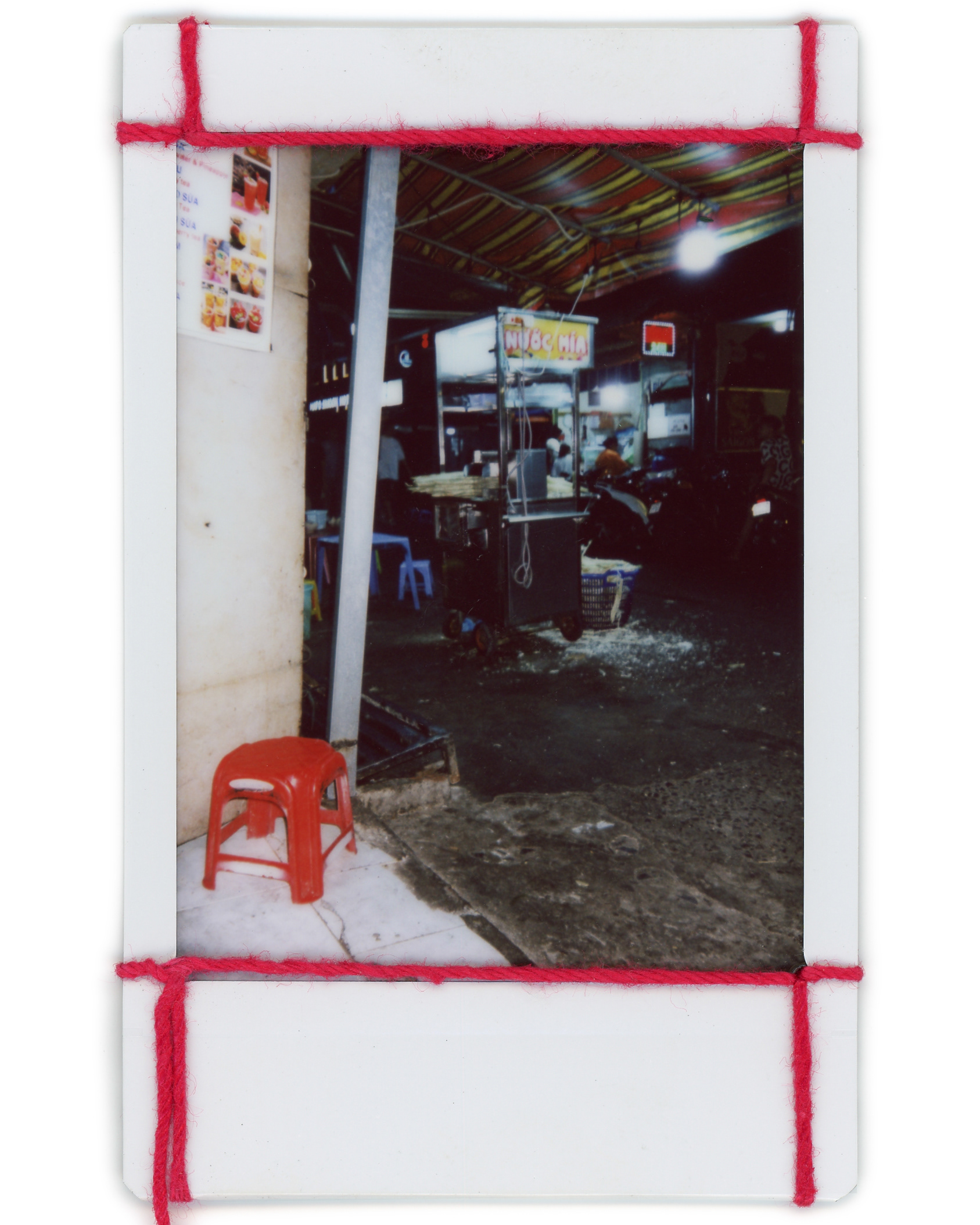
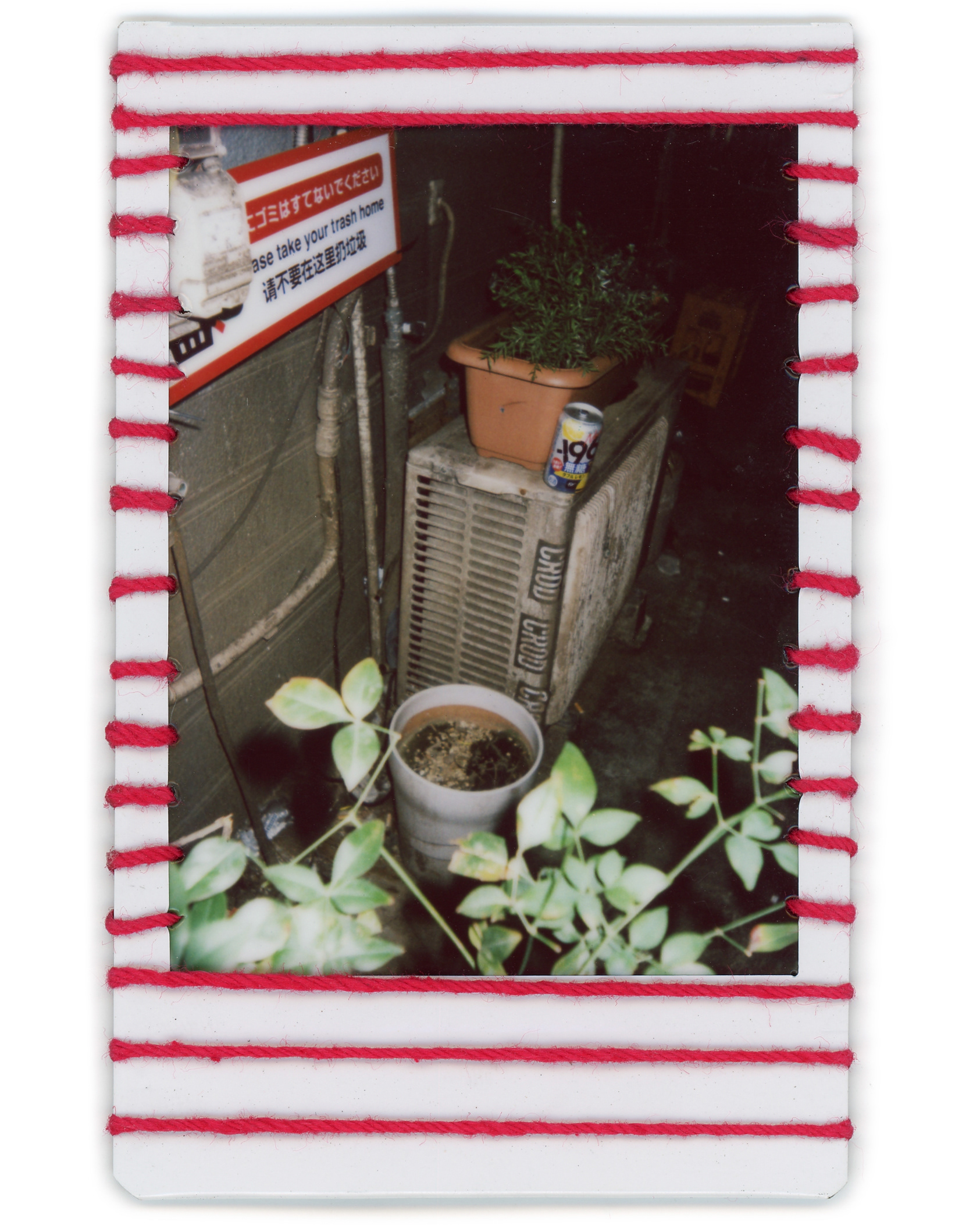
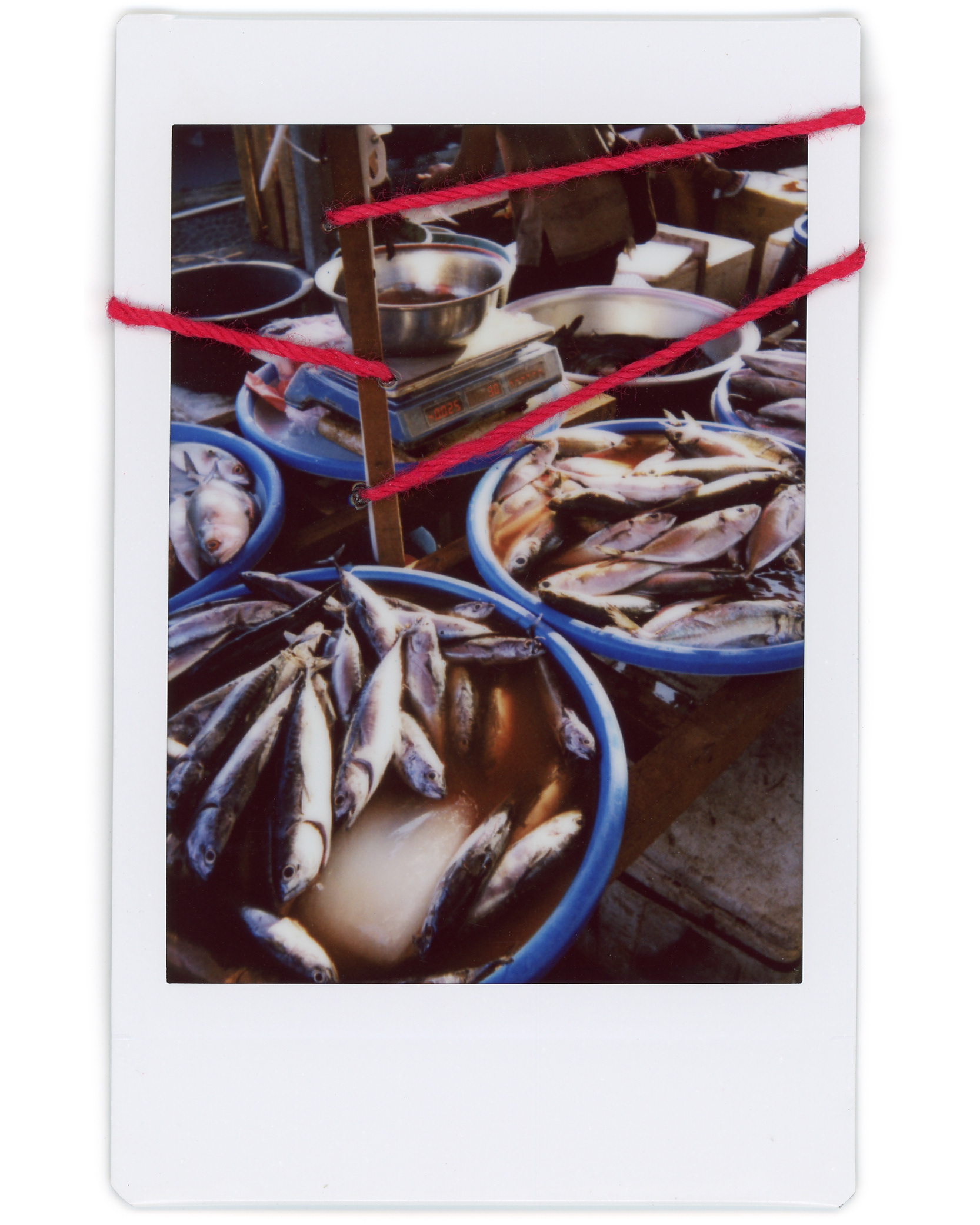
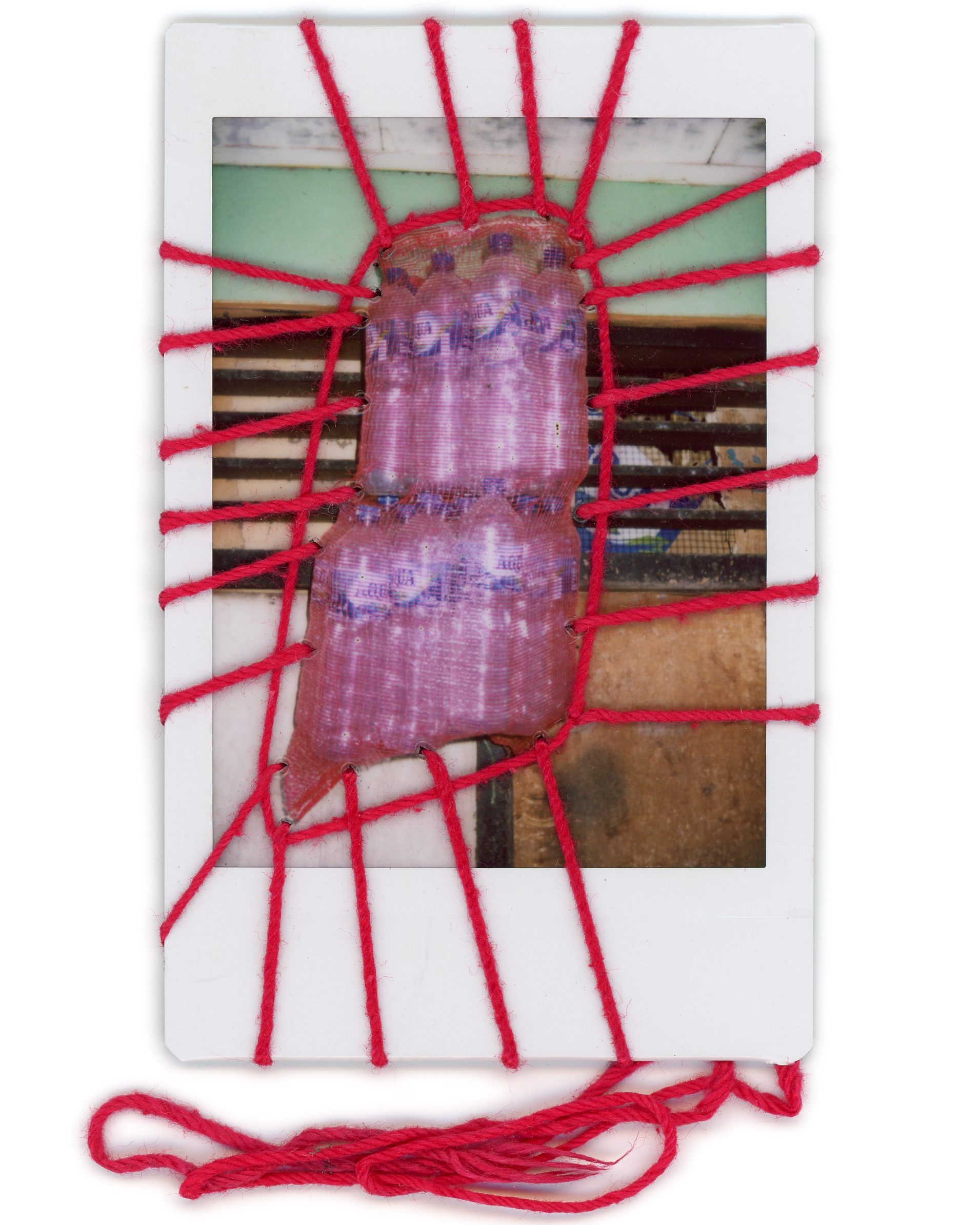
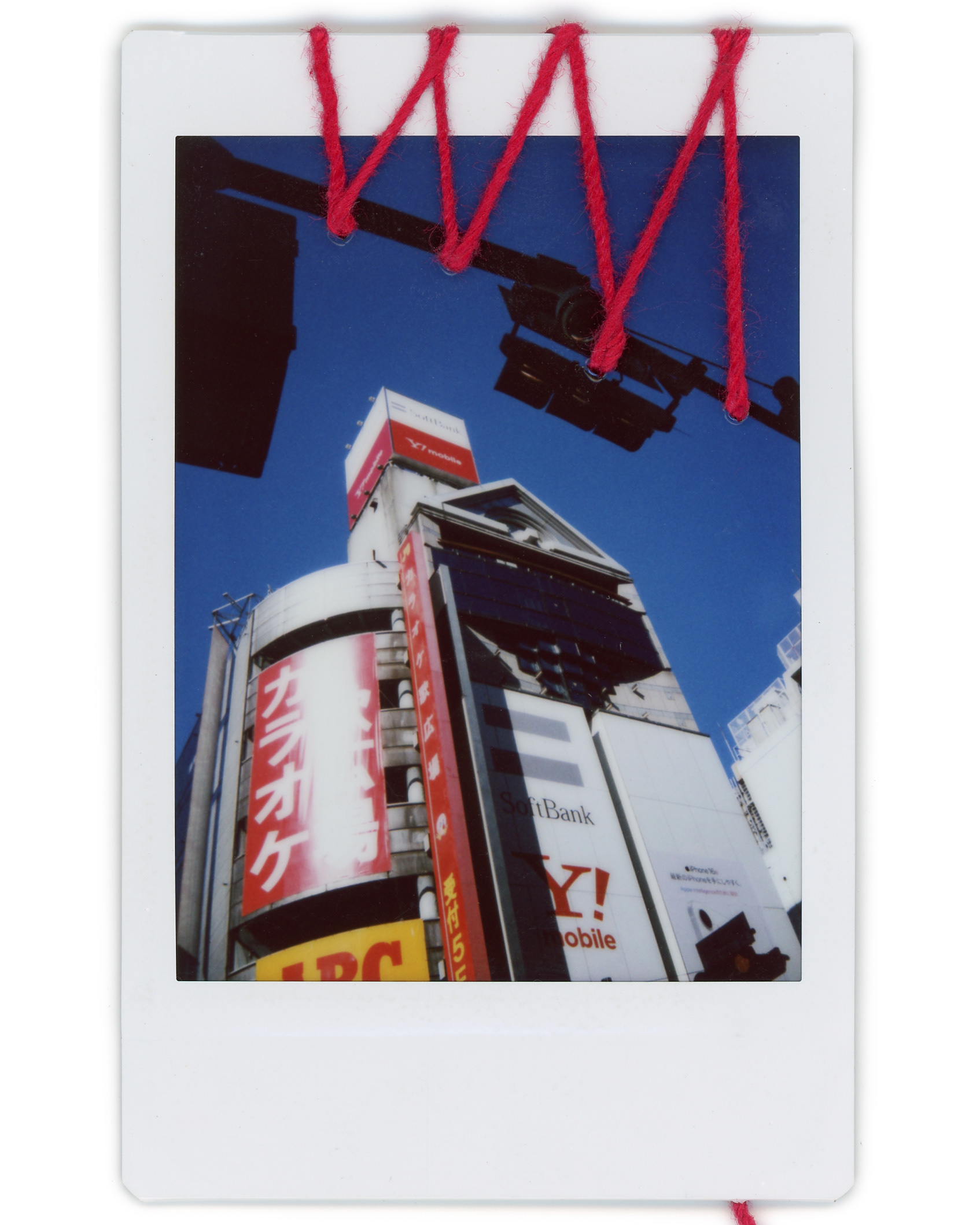
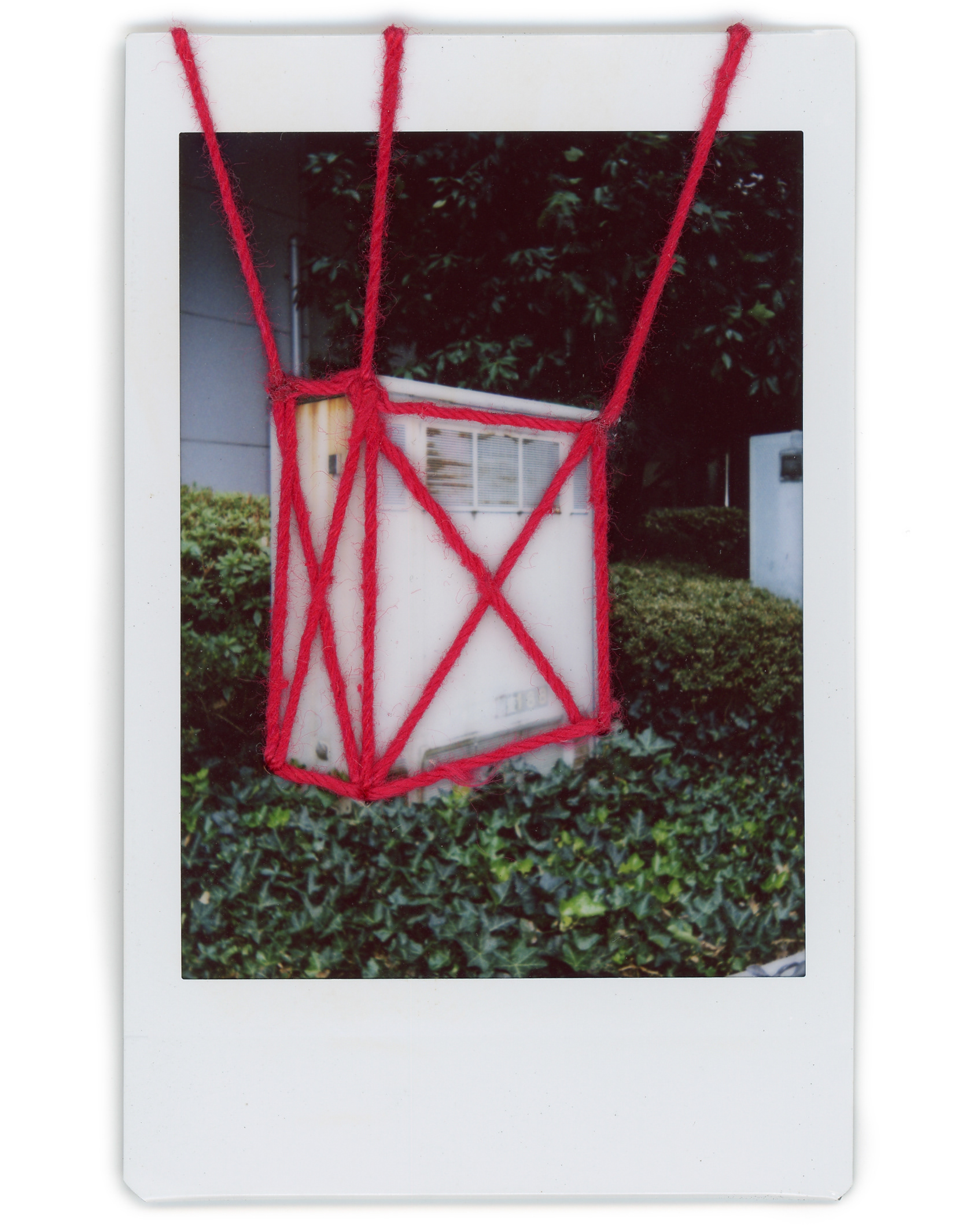
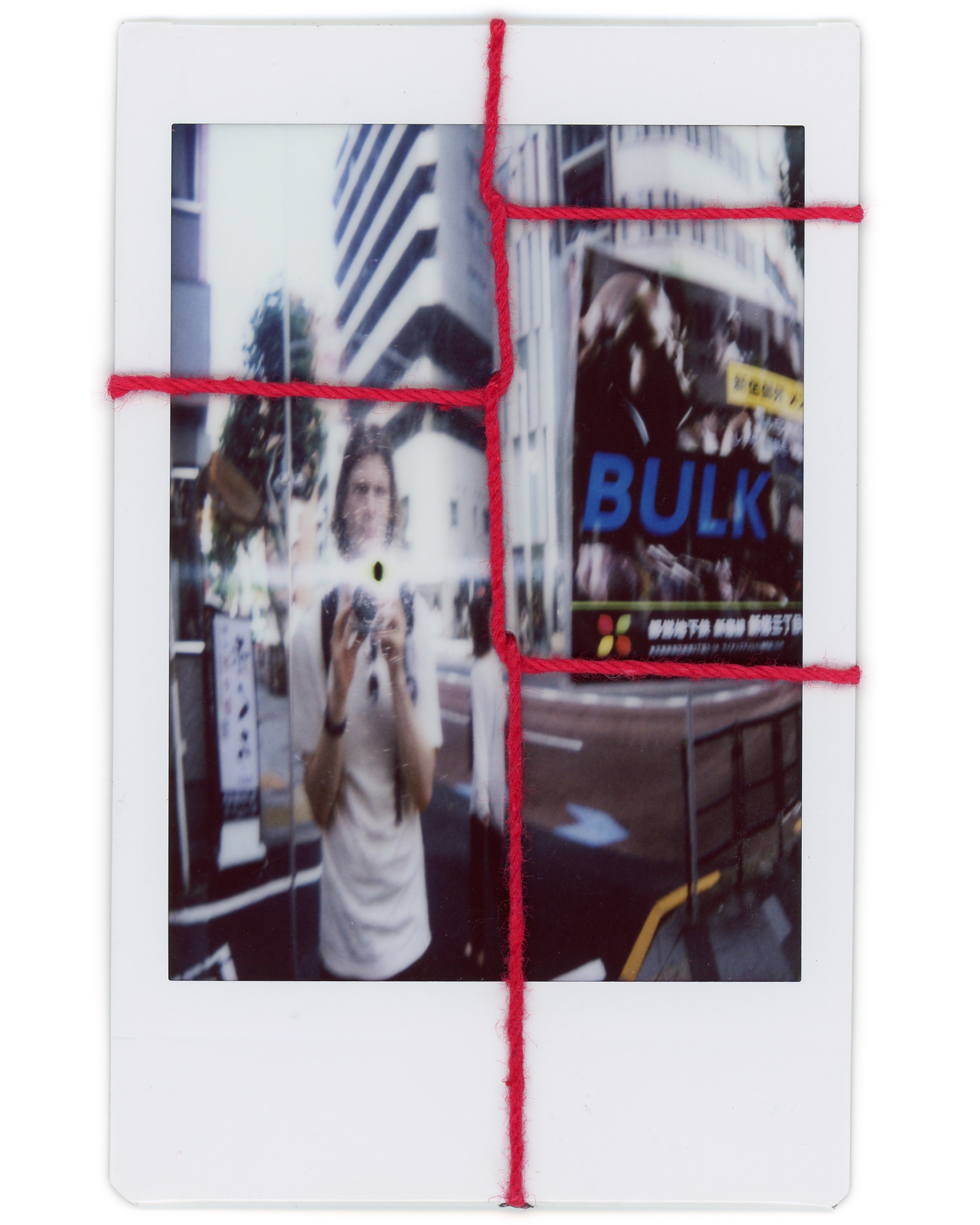
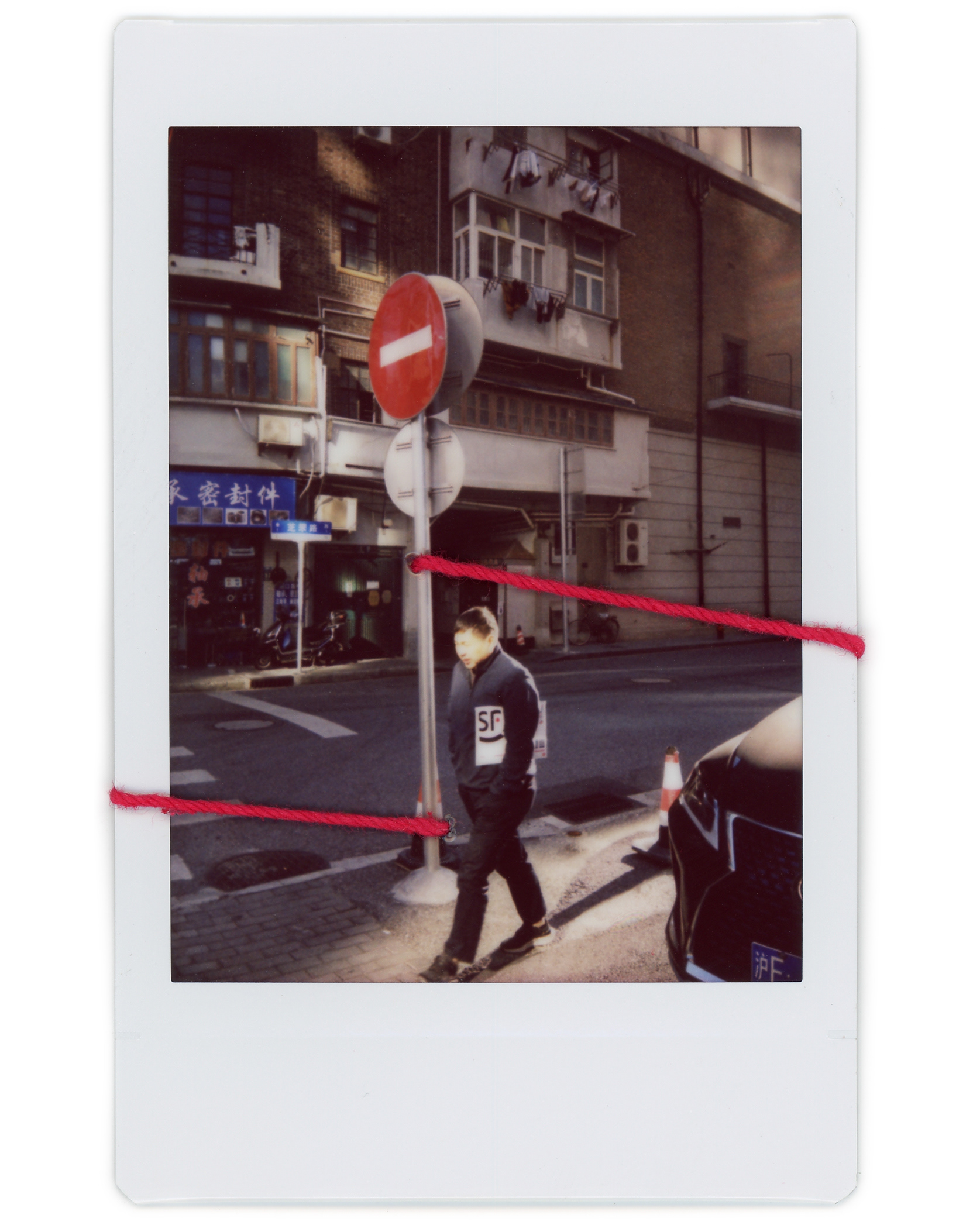
すみません、チェキのフィルムはありますか?
My love for instant film—most affordably Instax Mini, or, as I learned it was called in the big-box electronics stores of Tokyo after being met with some confused looks, “cheki”—may have started in my home country of Canada, but it intensified greatly after my move to Tokyo. So much so that the sentence above, meaning “excuse me, do you have cheki film,” became a phrase I used so often that it turned automatic, remembered as a set phrase almost like introducing myself. More often than not, the question was met with a typically polite, but perhaps overly apologetic in tone, answer: I'm very sorry, we're out of cheki film right now.
It was known among local photographers that Instax film was experiencing supply shortages, sometimes even being sold to tourists by less scrupulous retailers at large scalper markups. This felt ironic to me, as back home no such shortage existed, despite the maker of the film, Fuji, being a Japanese company that manufactures the film locally. I assumed it must have been a cash grab, prioritizing exports over the domestic market, where a lower retail price and a weaker yen likely made it less profitable.
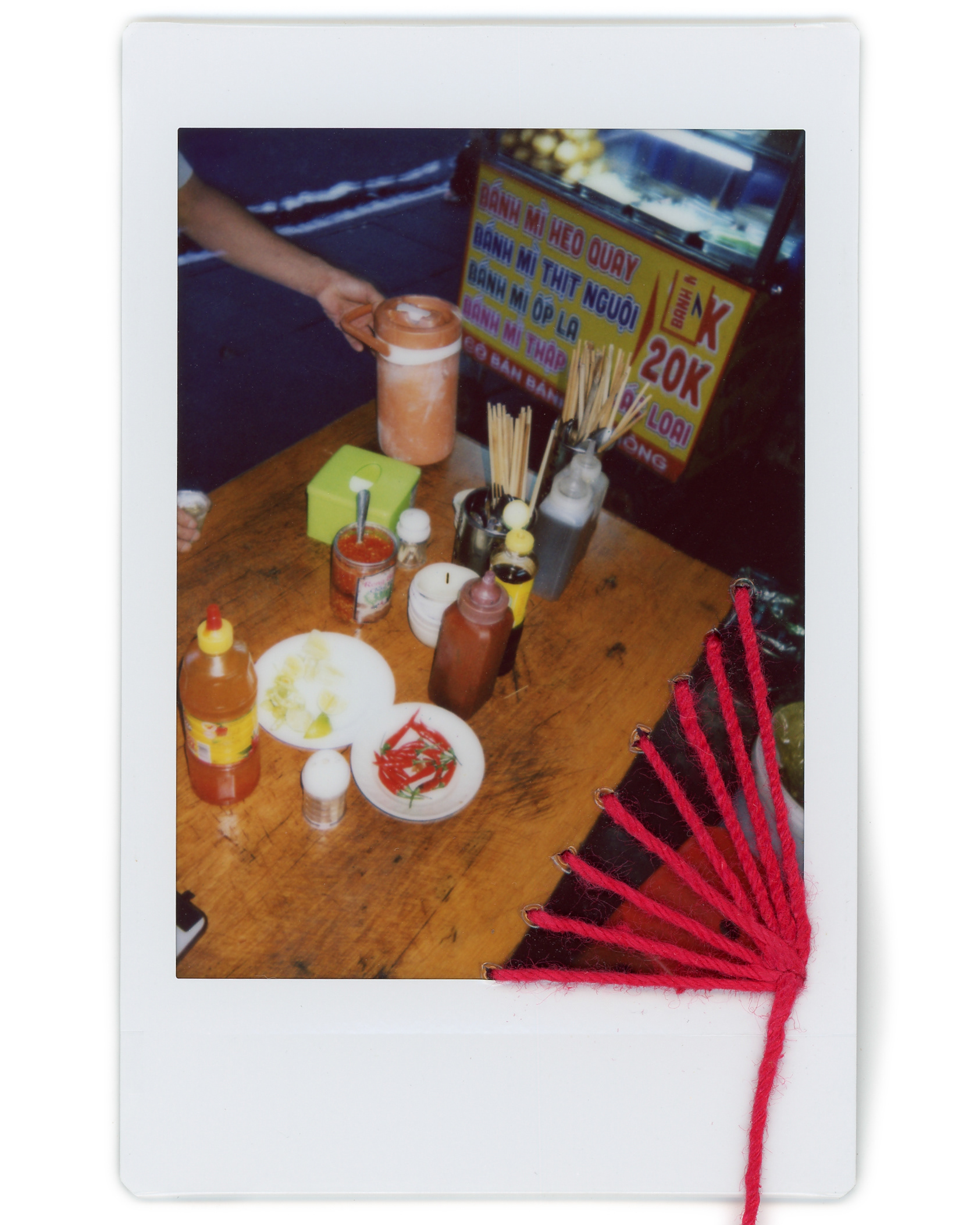
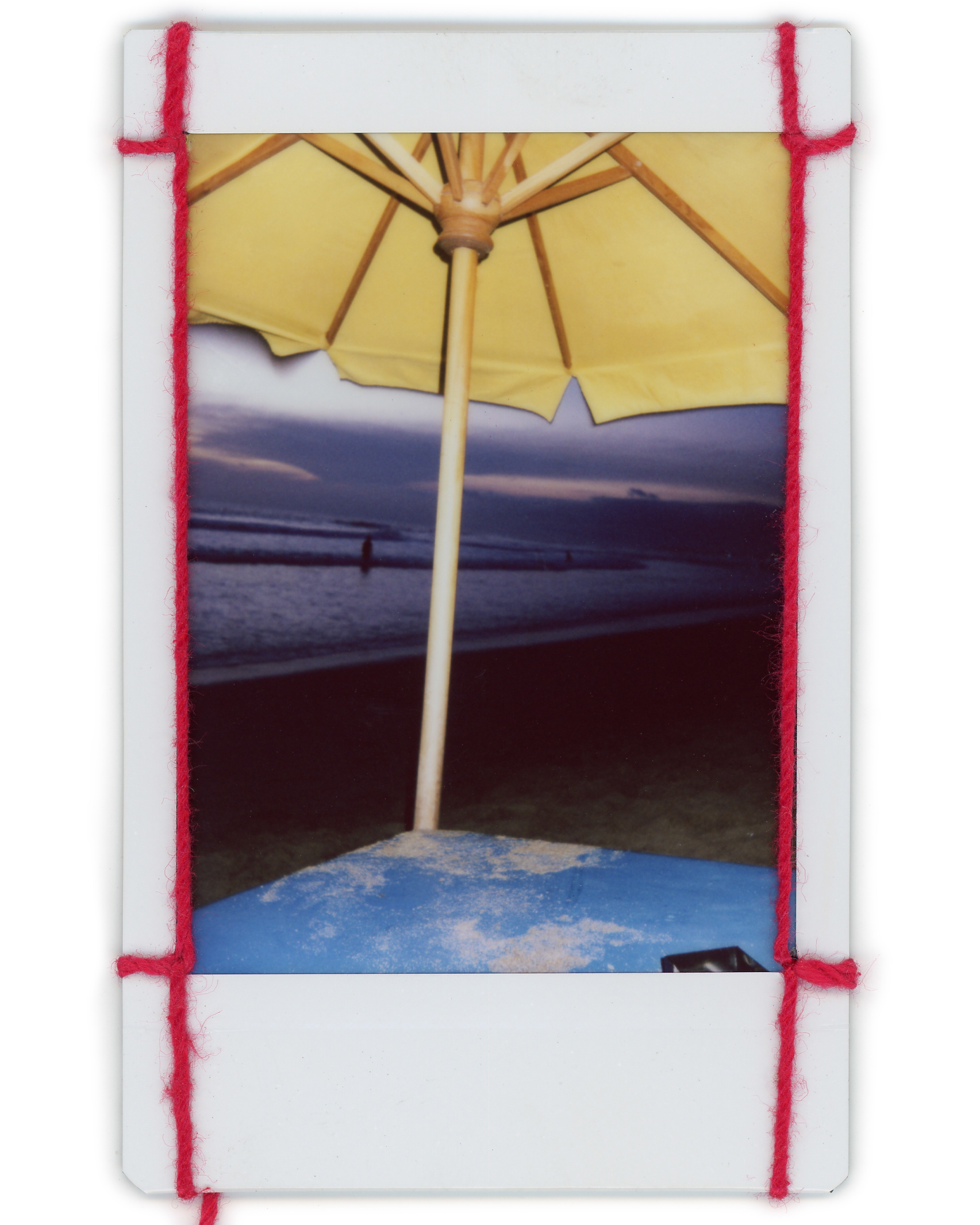
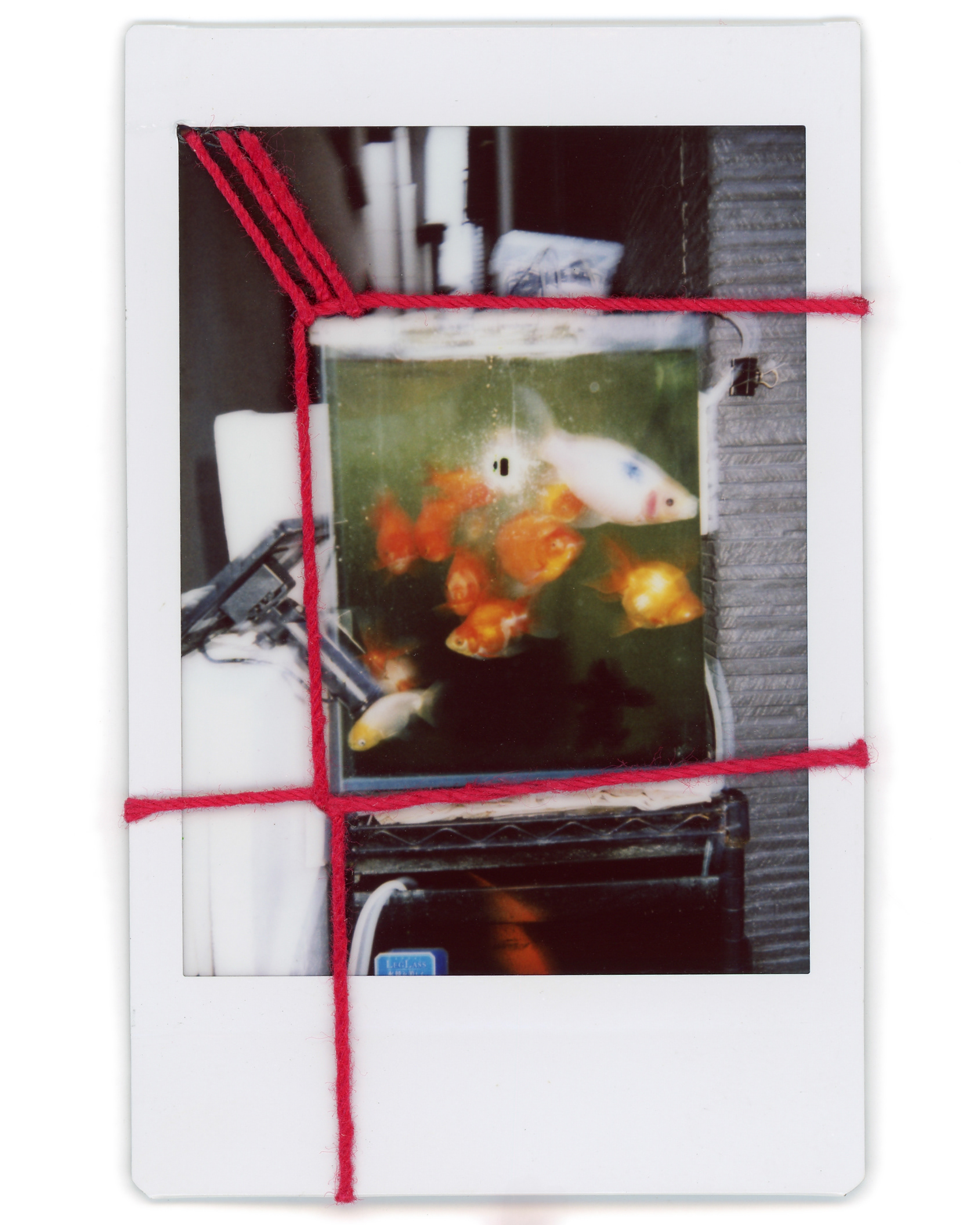
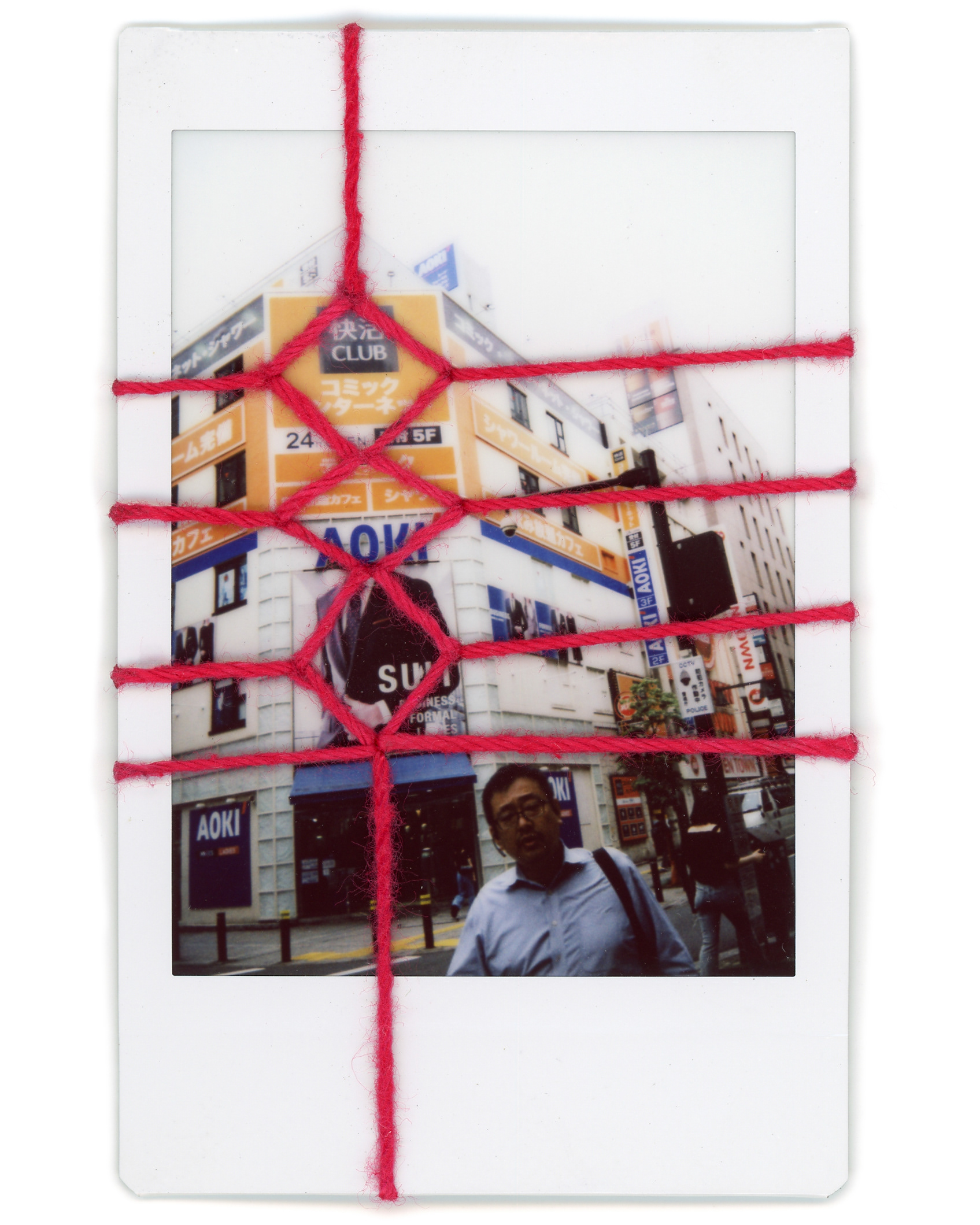
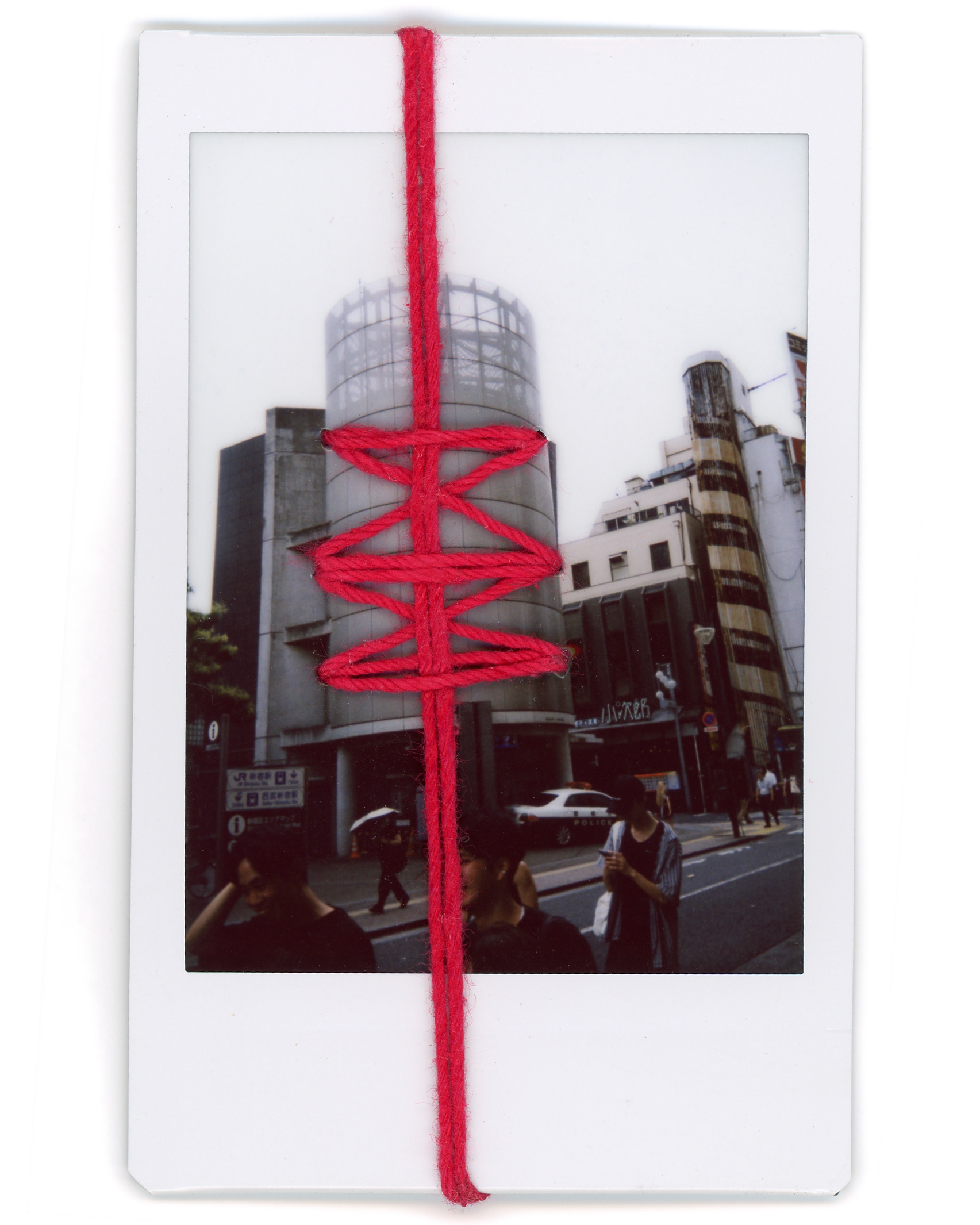
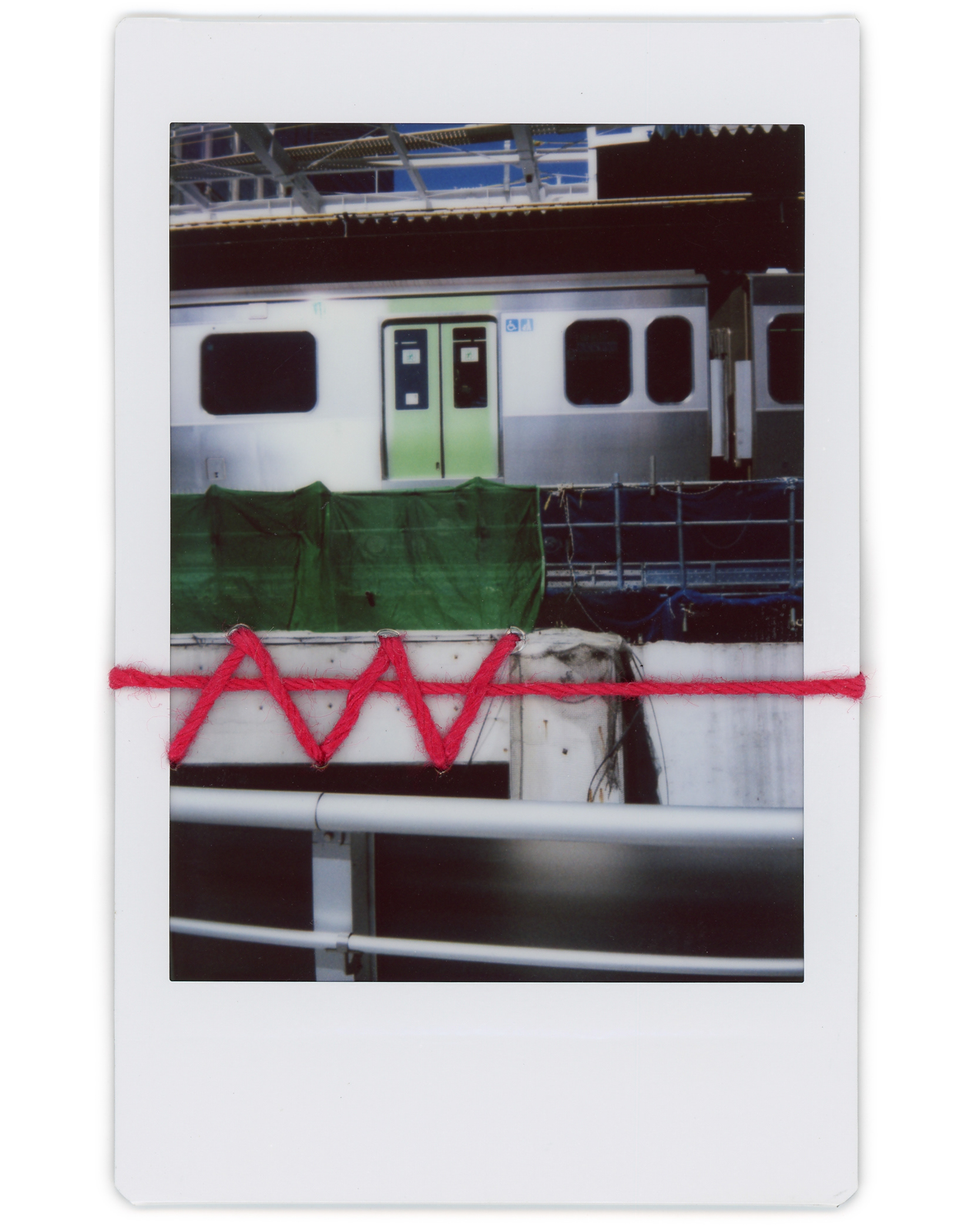
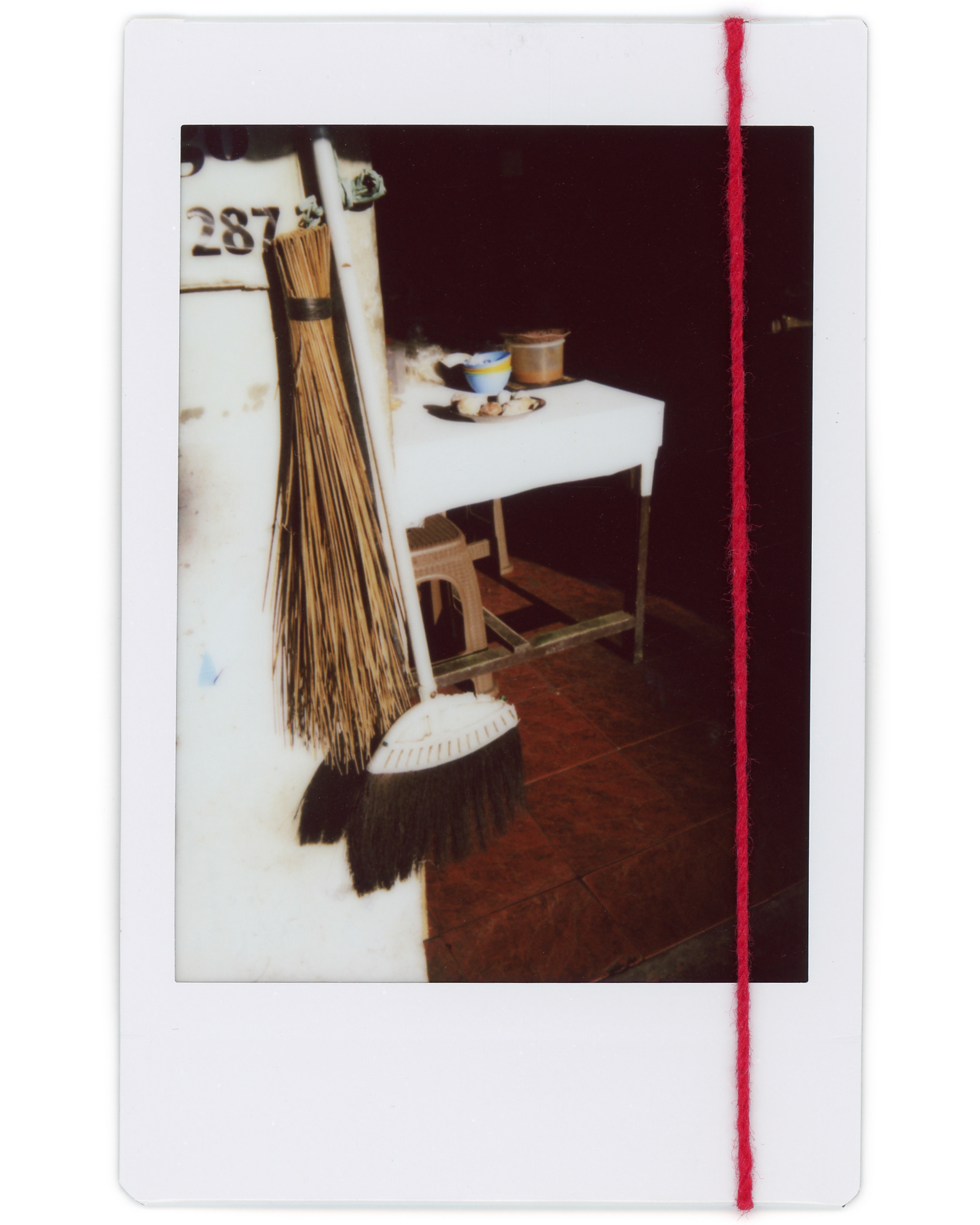
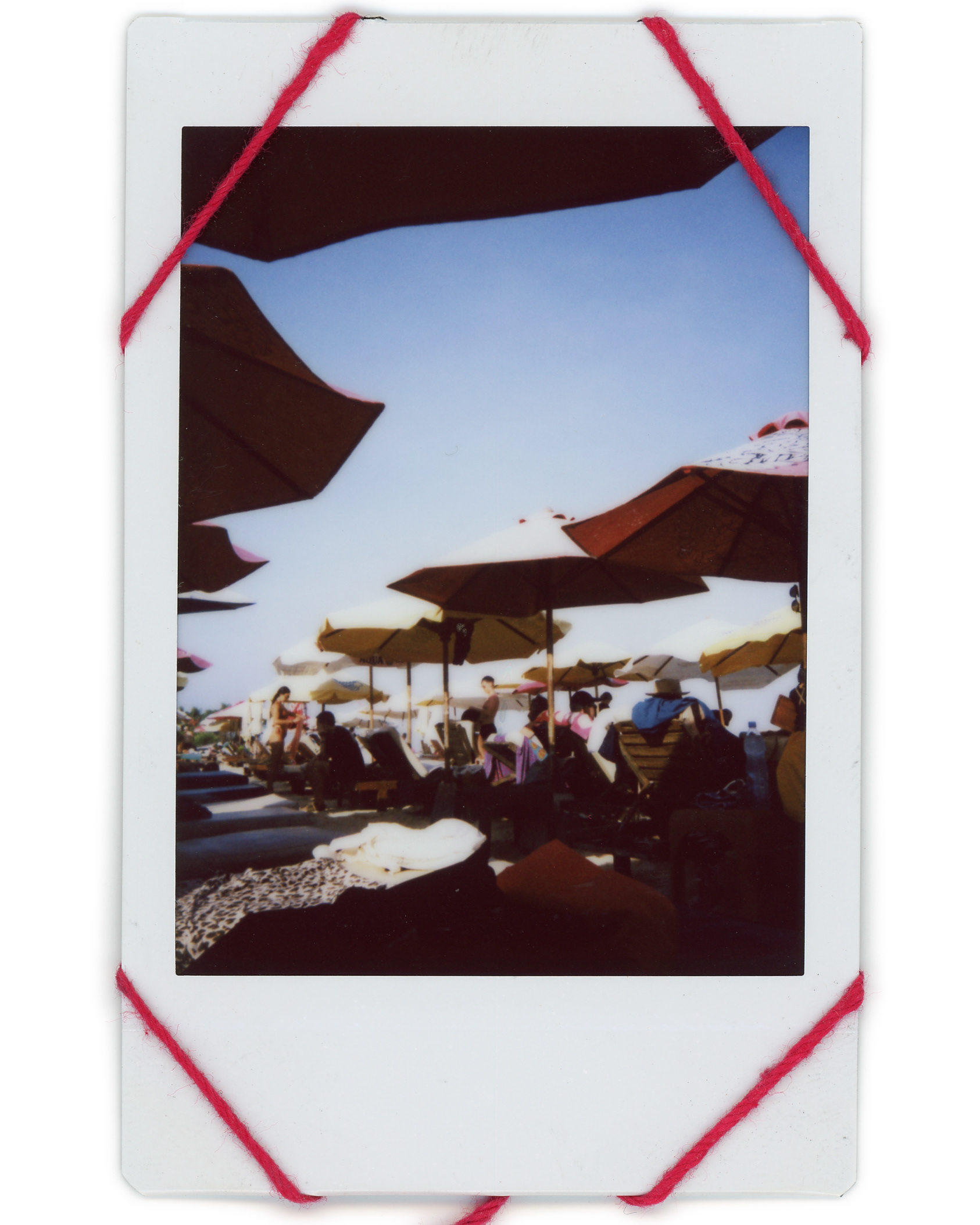
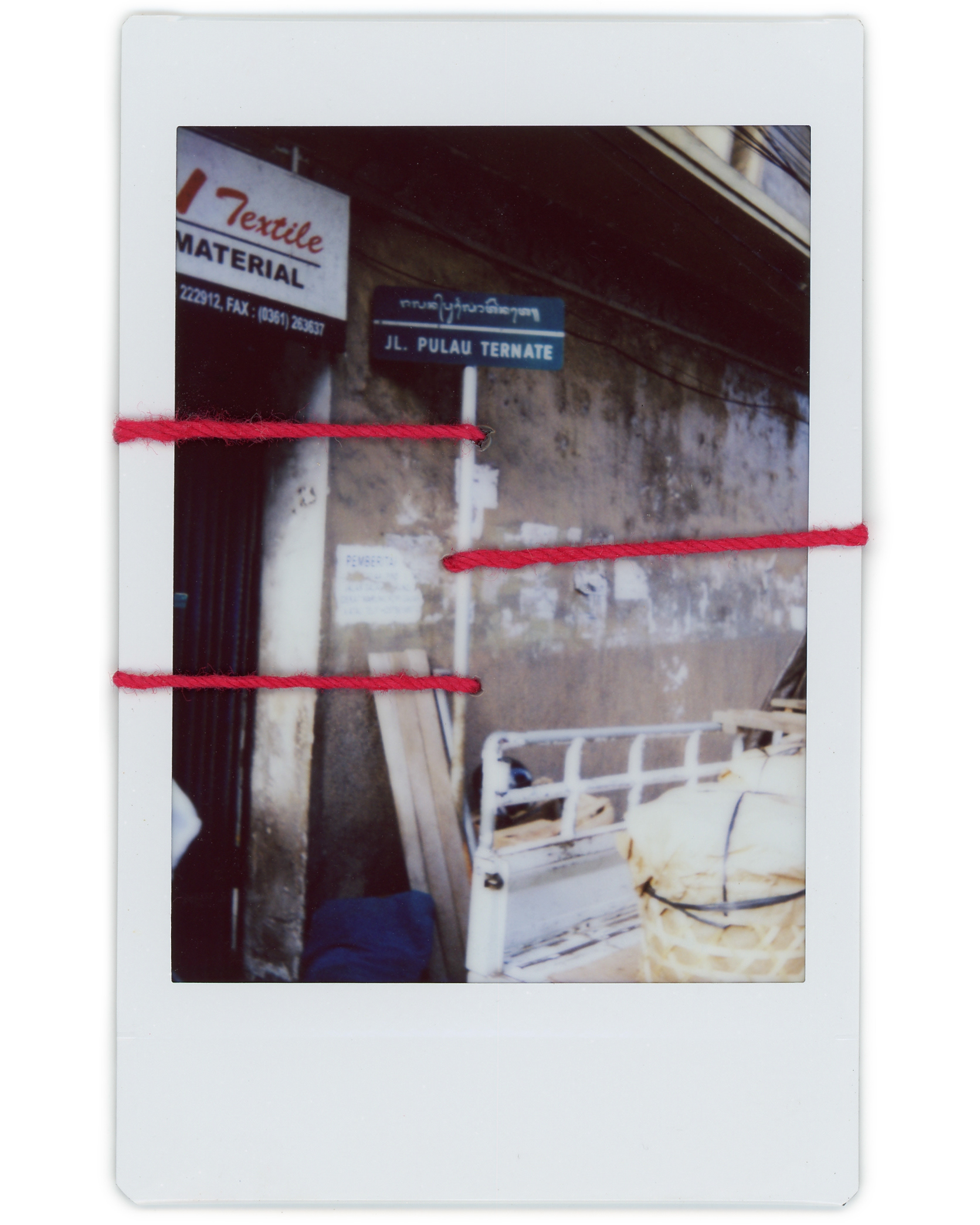
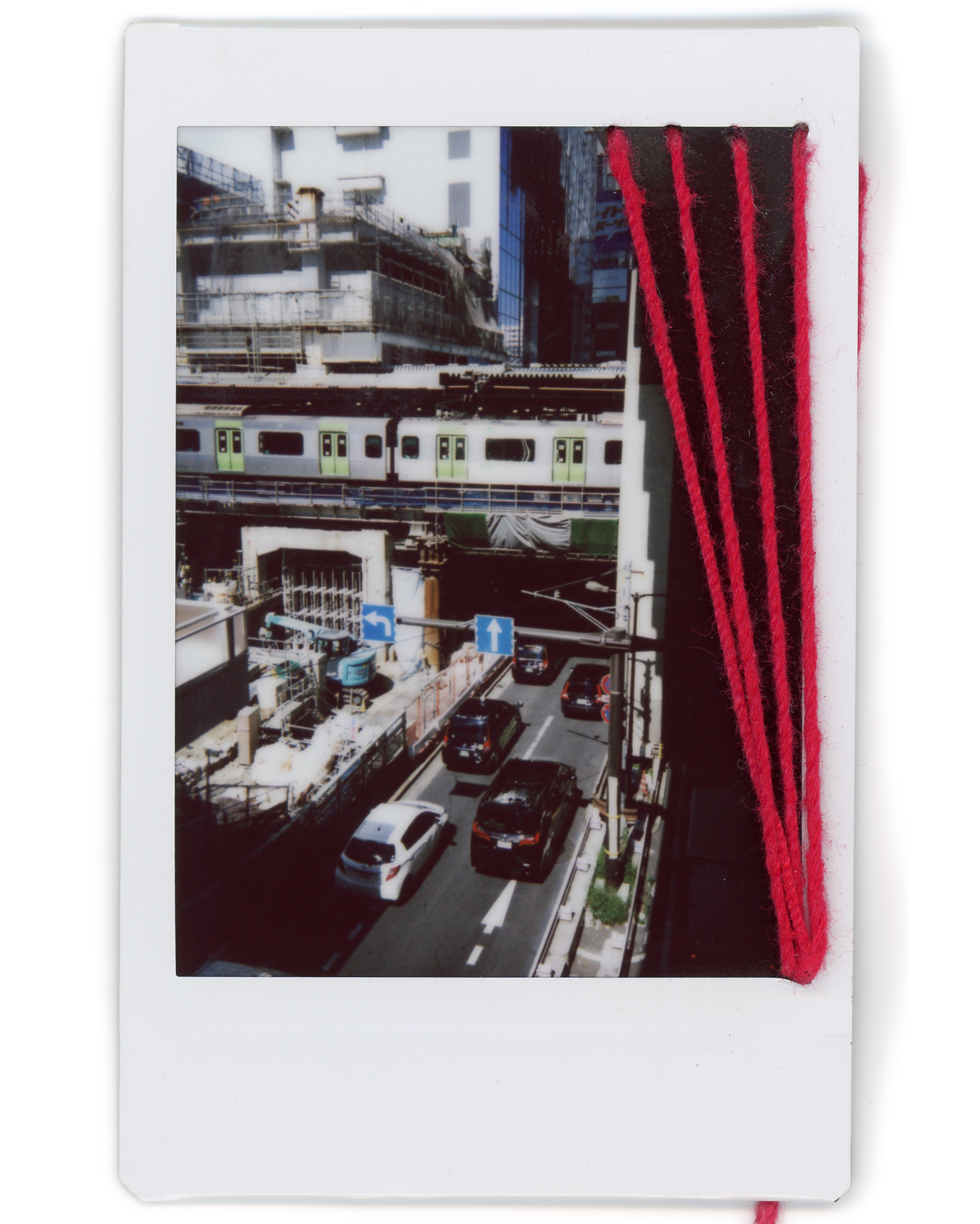
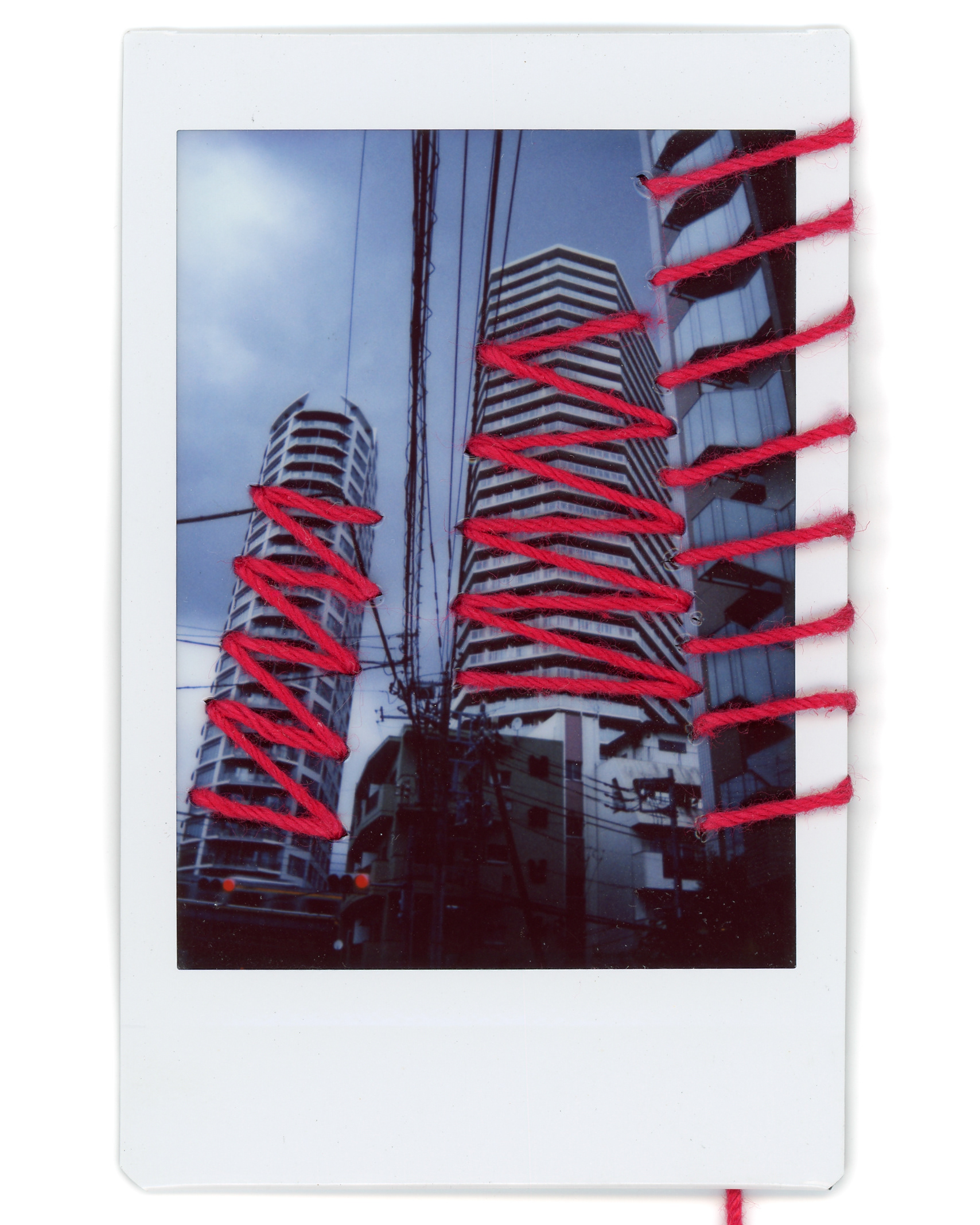
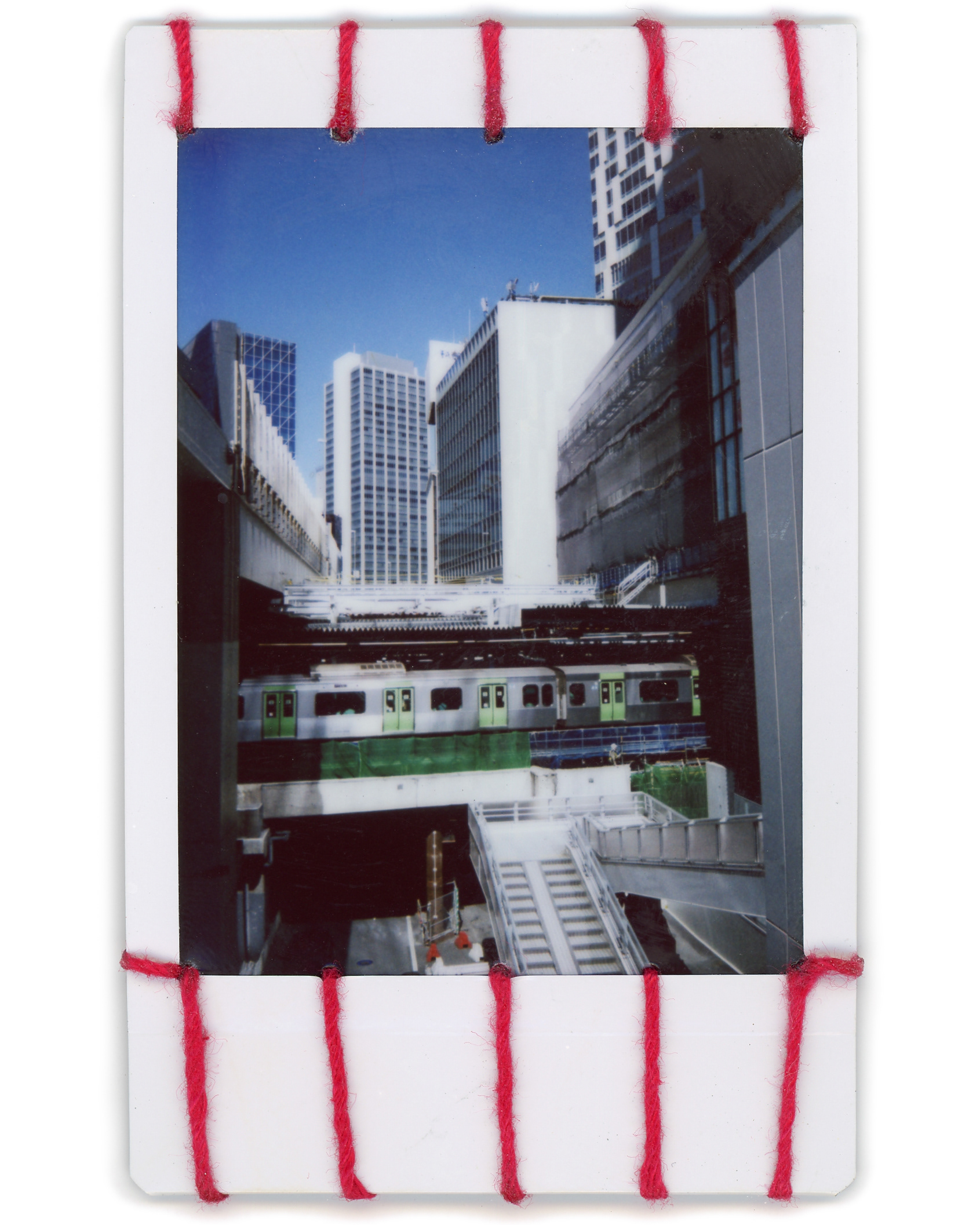
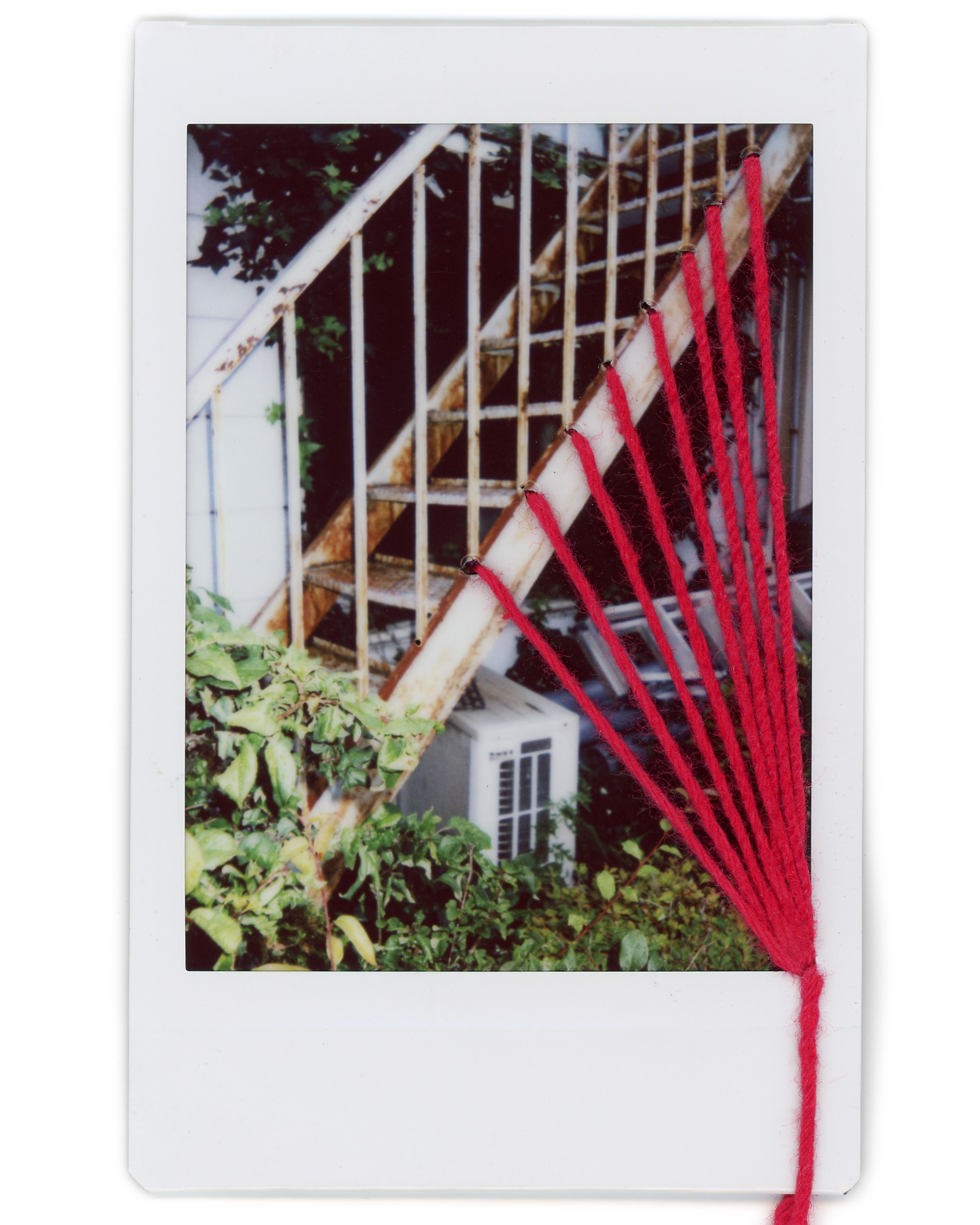
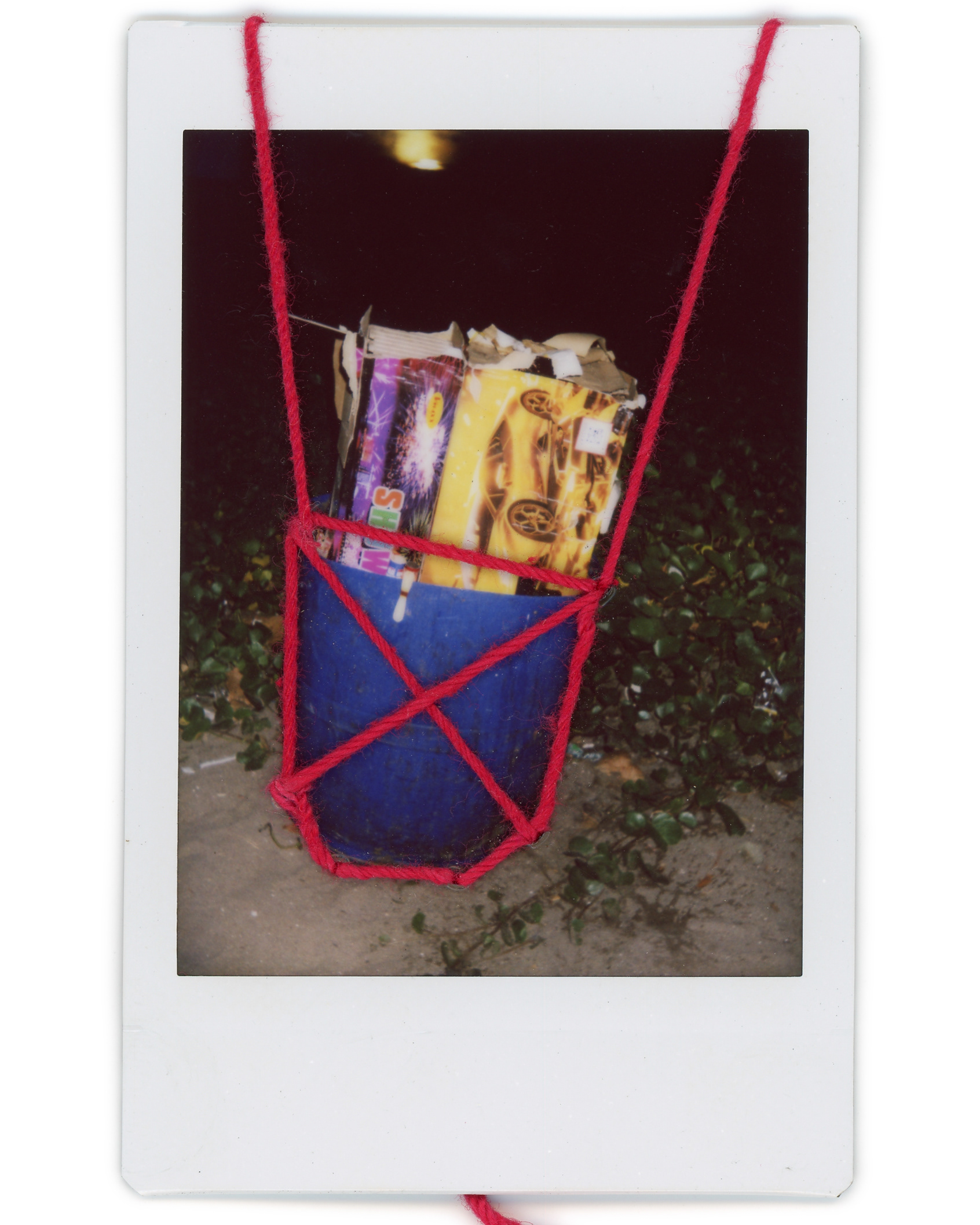
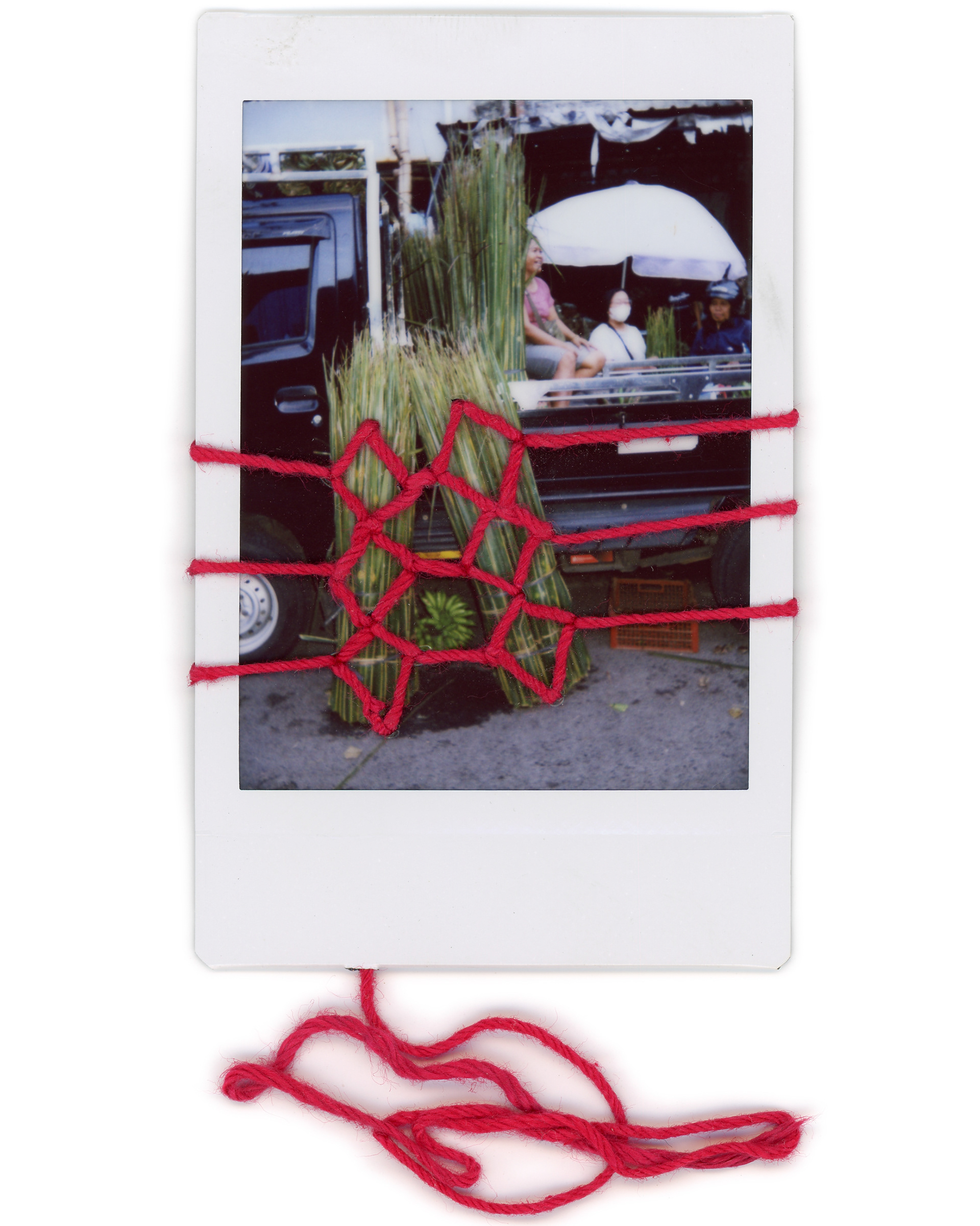
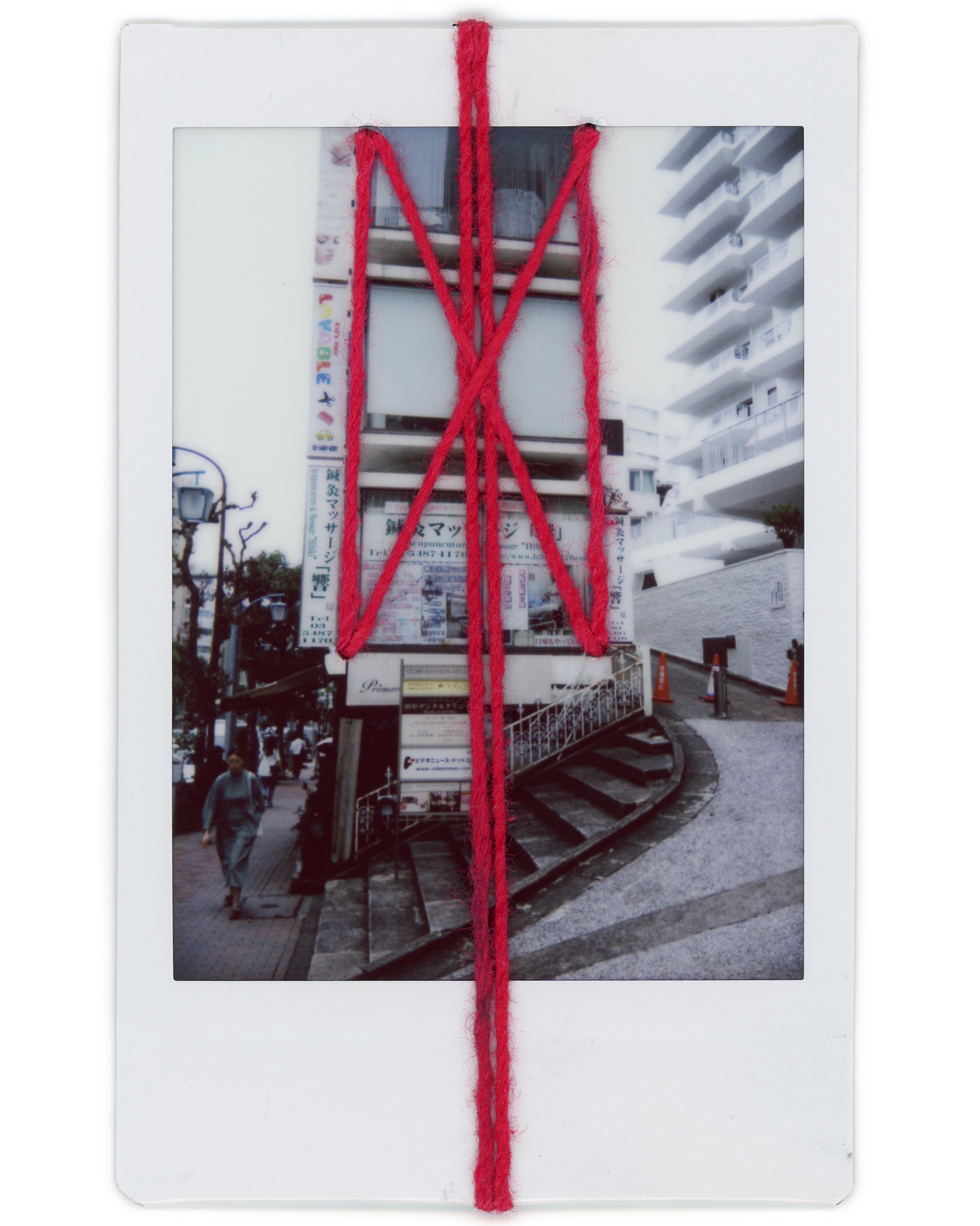
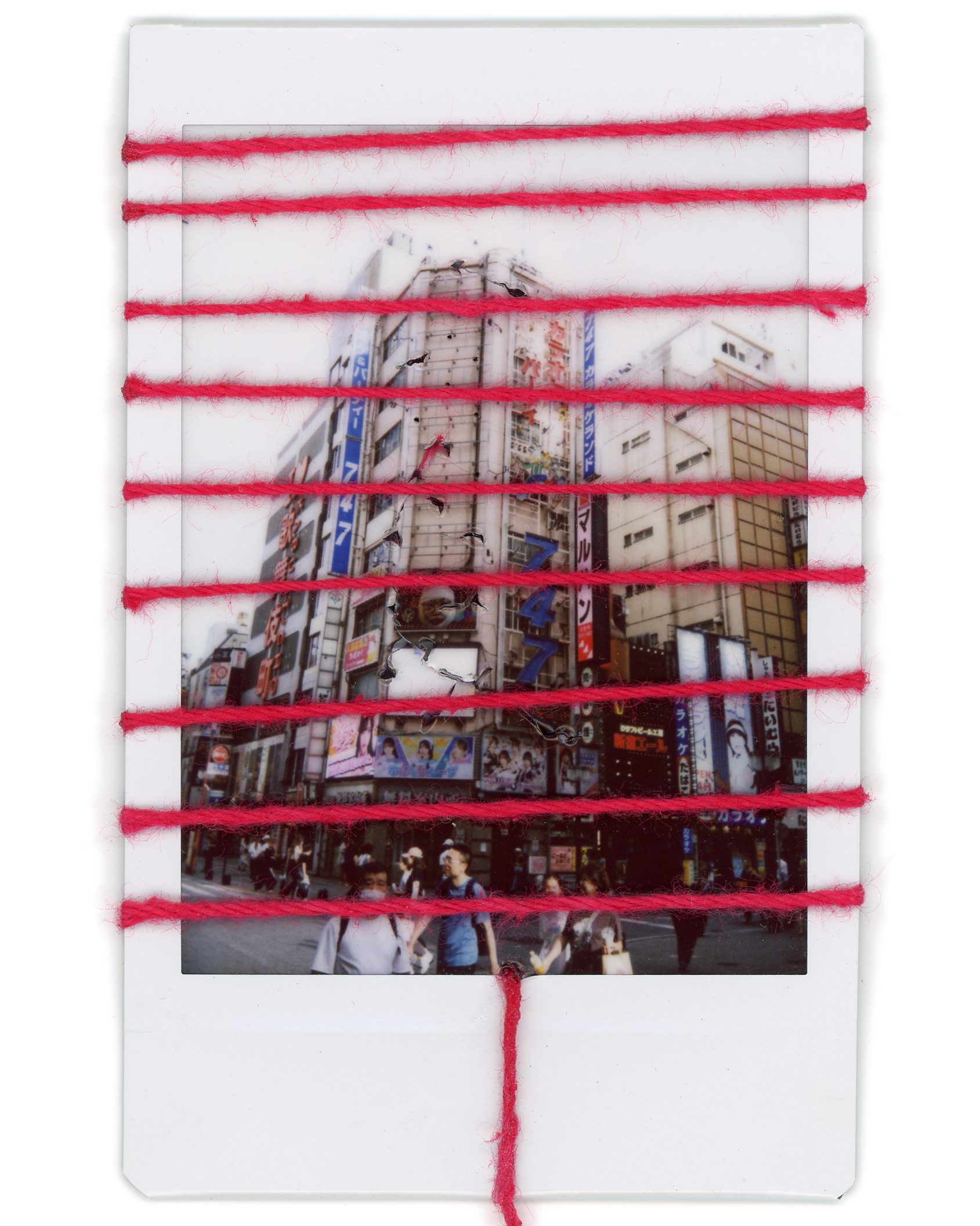
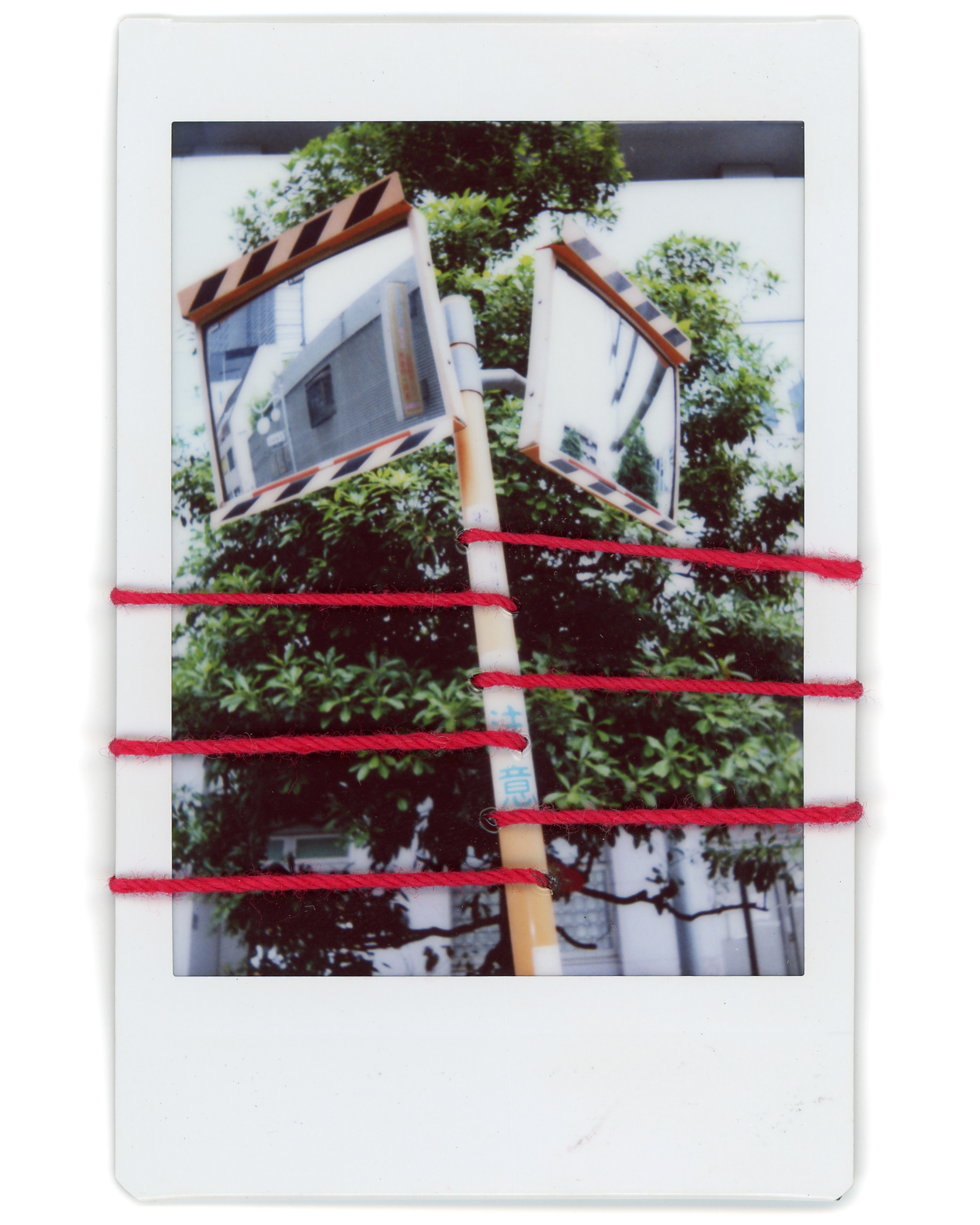
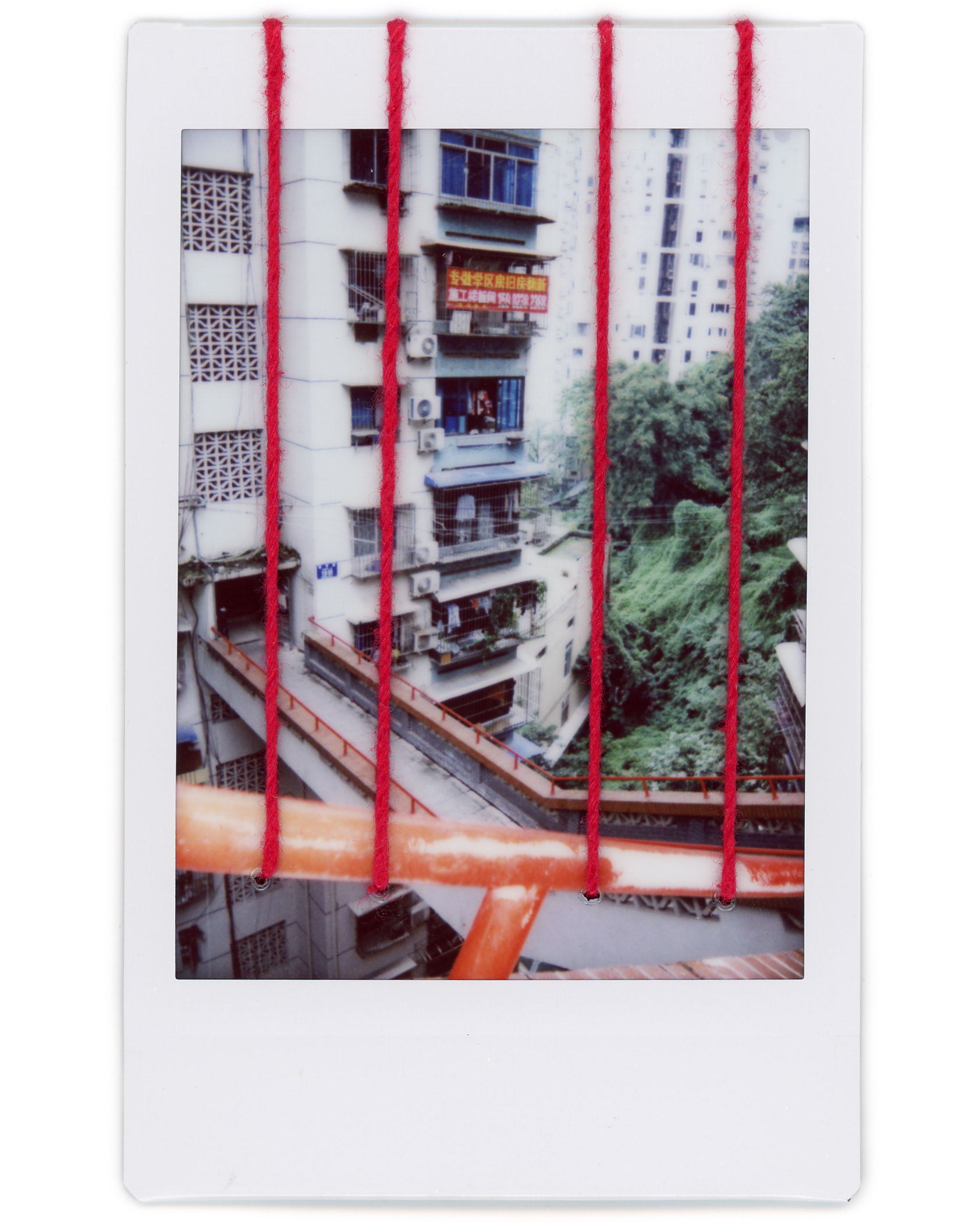
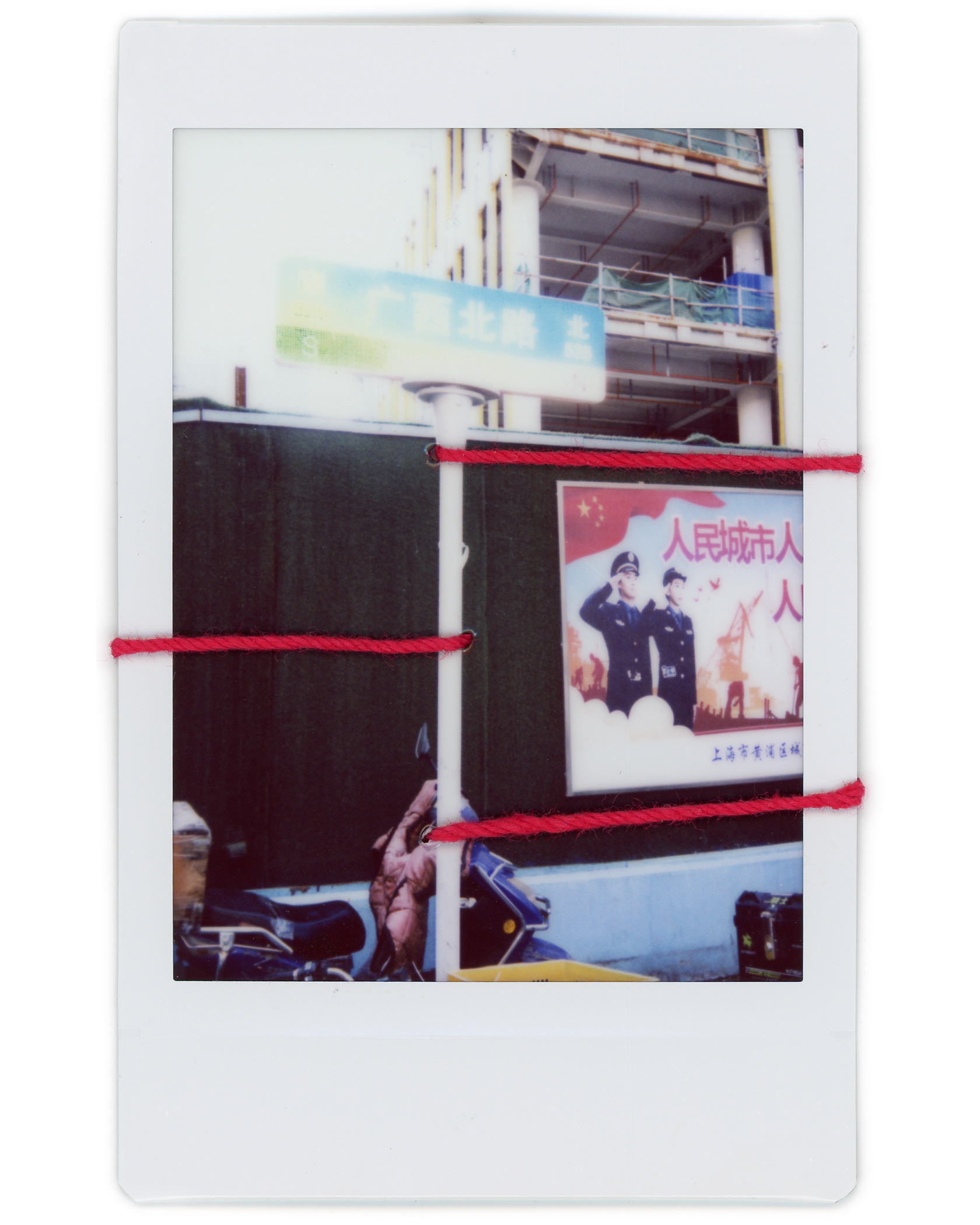
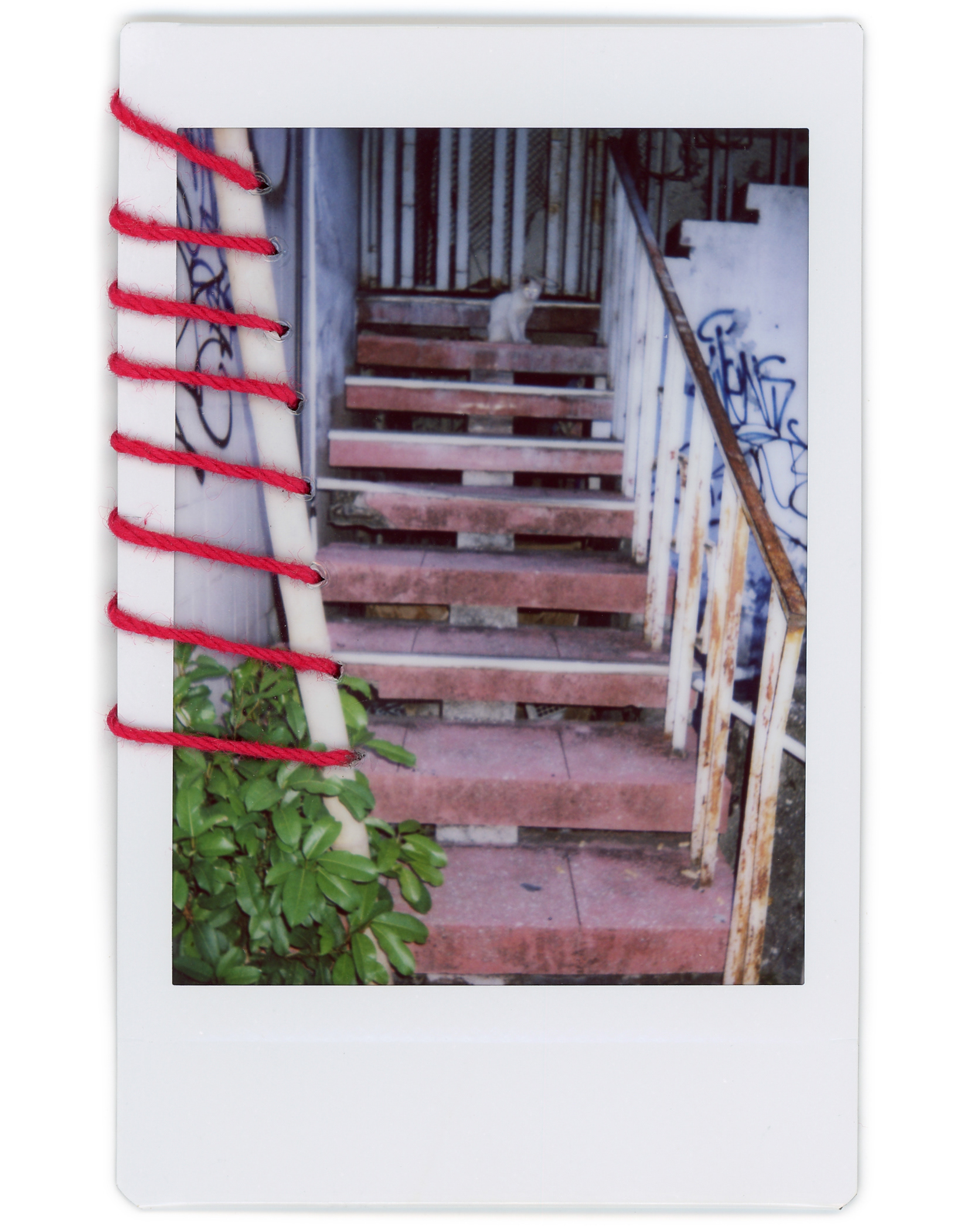
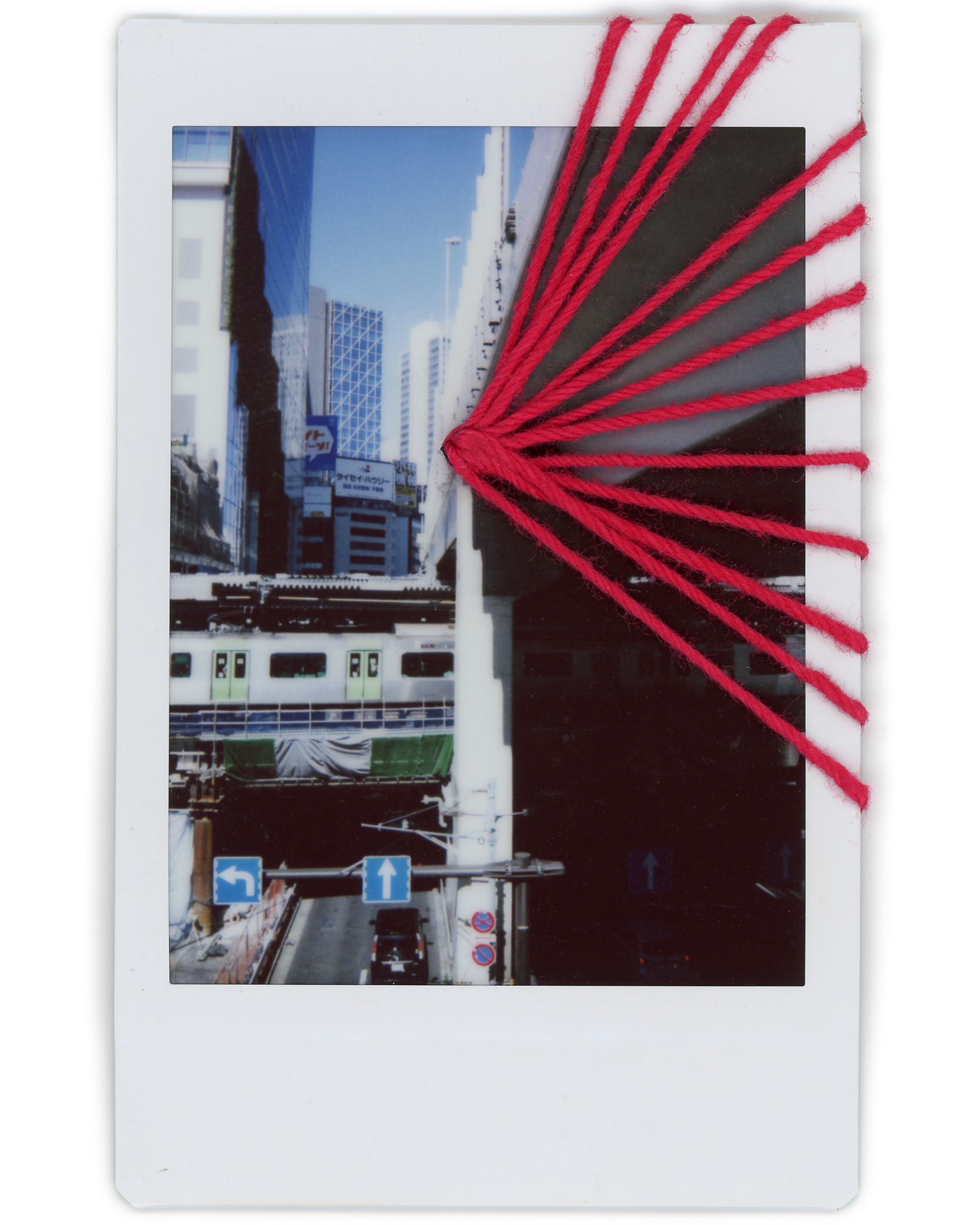
Despite the shortage, I was persistent and was able to satiate my hunger for this credit card–sized object of joy. At 876 yen (just under CA$7.70 at the time of writing), who could blame me? The alternative brand, Polaroid, was four times the price for only eight frames (compared to ten with Instax). Sure, Polaroid was bigger and had colours that I often preferred, but at that cost I was hesitant to experiment with the freedom and curiosity that was necessary. Each shot on Polaroid had to be good; I couldn’t afford for it not to be. Instax was different. With Instax, I could shoot with far less concern for cost and, after the shot, experiment with the image itself—painting, cutting, and finally tying the images with red string I bought at the 100-yen shop.
This is how these images came to be. A concept first ideated over a year earlier, though never acted on, I began to poke holes, run string through those holes, and glue it in place from the back as part of my cheki affair. At first visually inspired by images of shibari, a Japanese form of bondage I often saw in the photobook sections of Jimbocho’s famous booksellers, the idea took off from there and became a temporary obsession, following me after I left Tokyo and into my travels in Vietnam, Indonesia, and China as well.
Since returning to Canada, my love affair with this medium, and with this way of modifying my images, has settled into a more stable and less manic relationship, much like what previously happened with my thermal paper fling. Though the honeymoon phase is over, my admiration for the medium, and the joy I feel when using it, remain.
Thank you, Cheki, for this time we spent together.