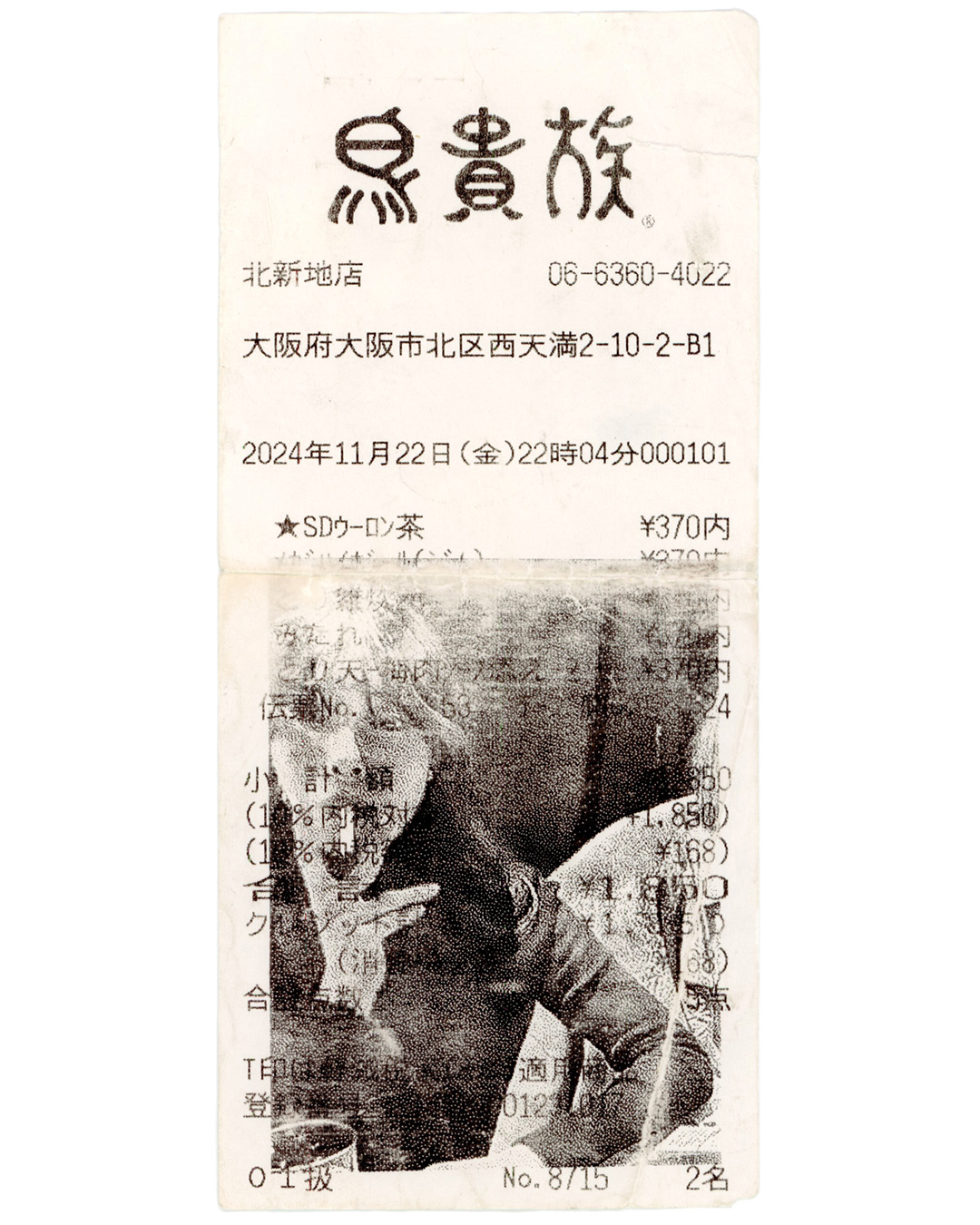
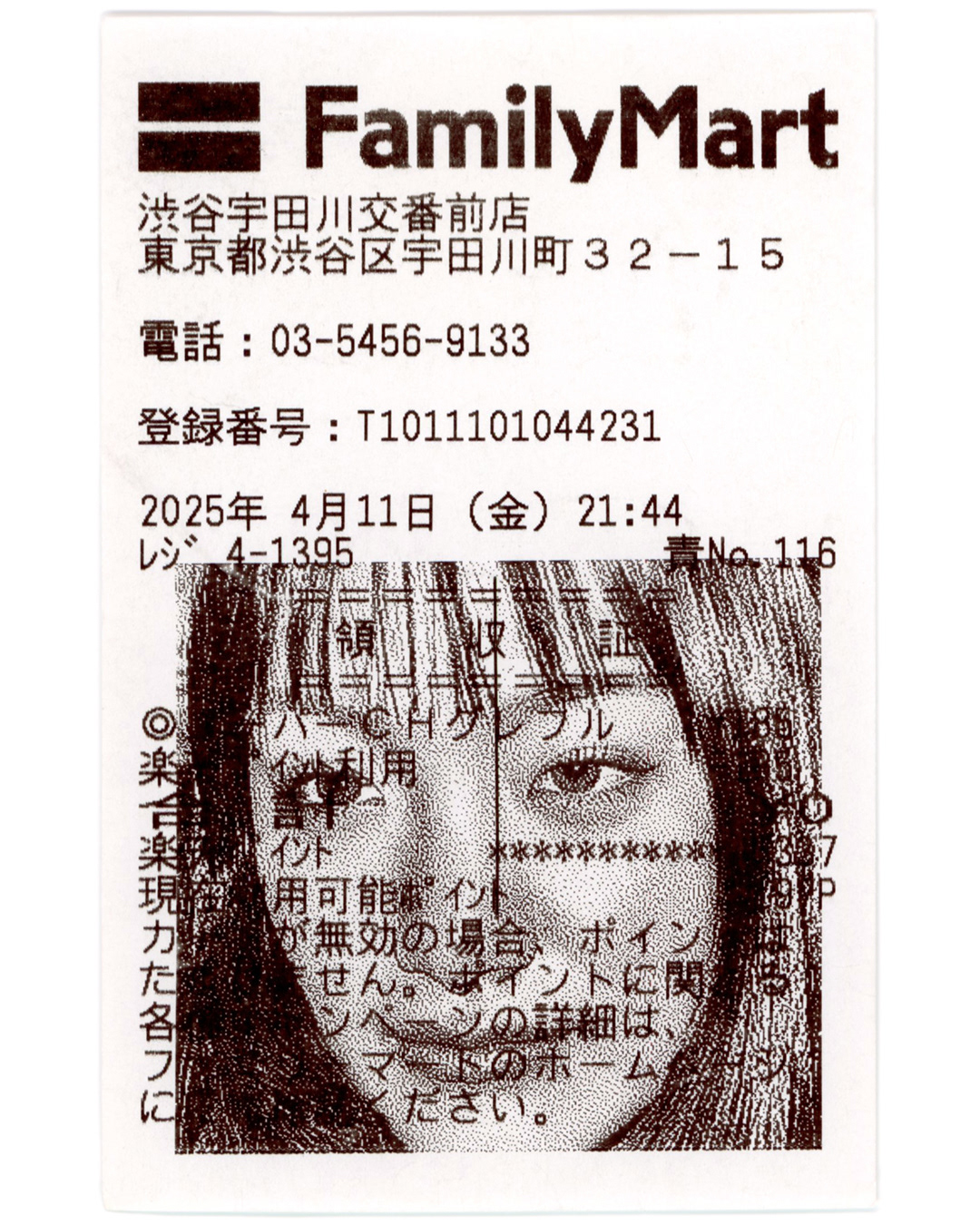
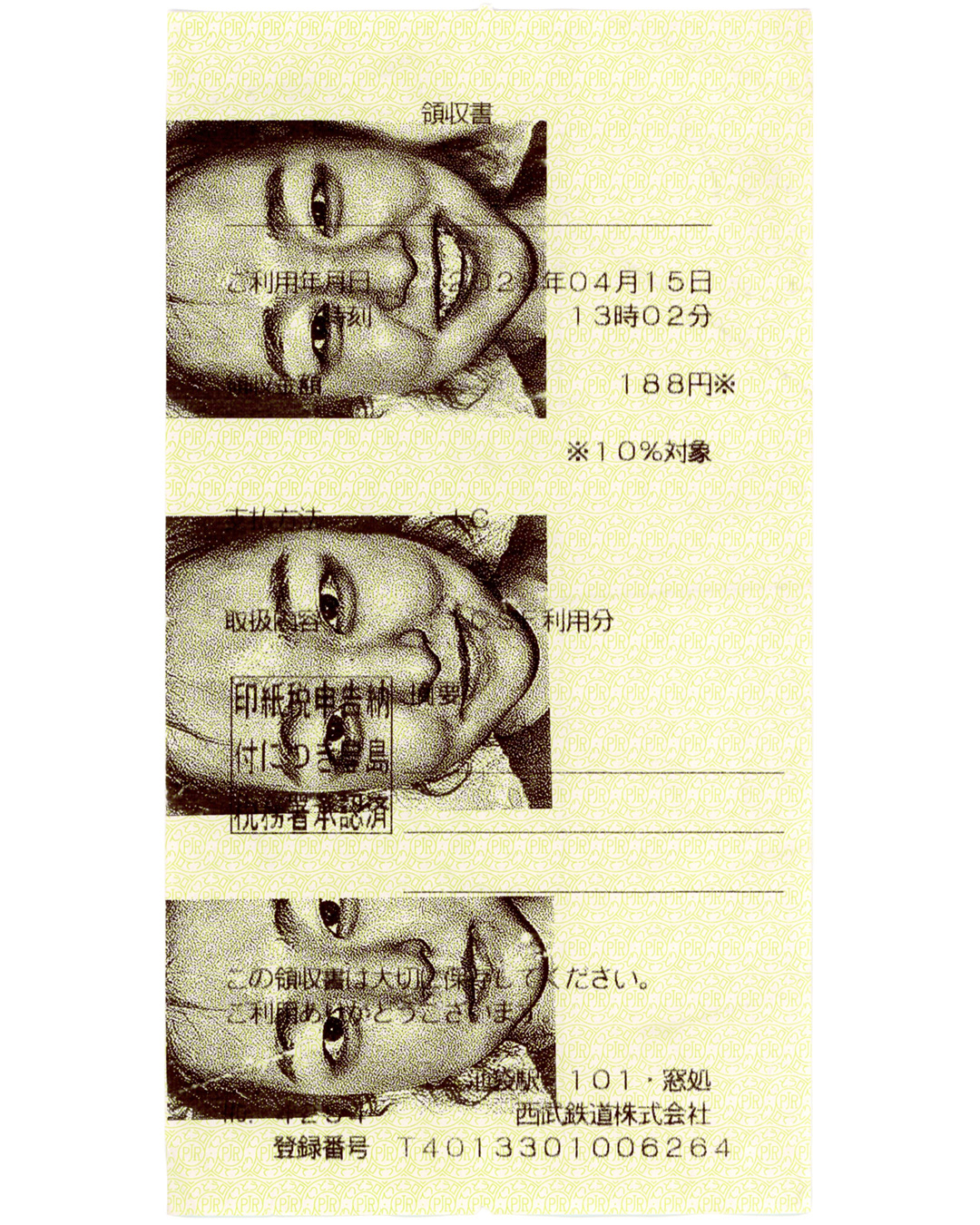
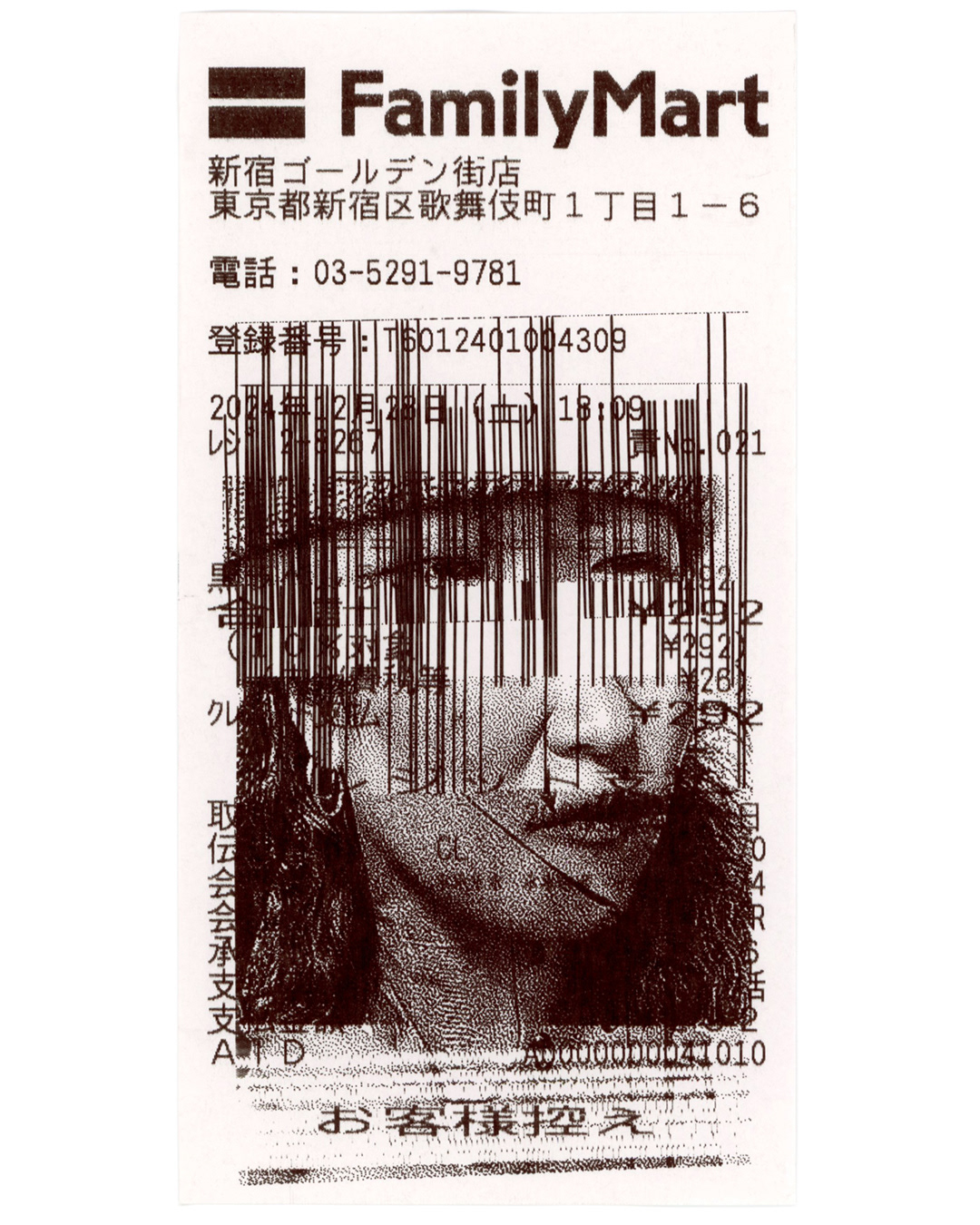
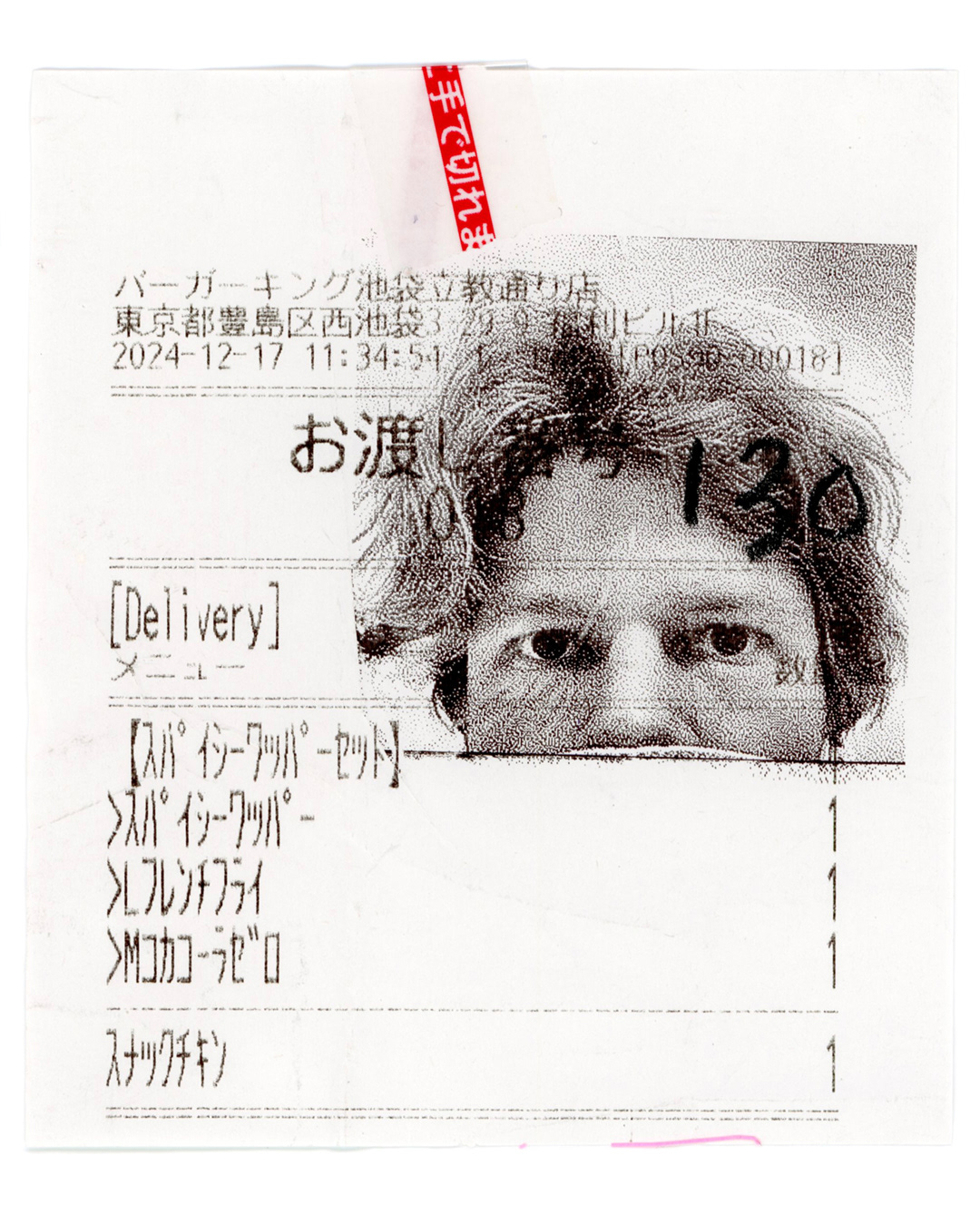
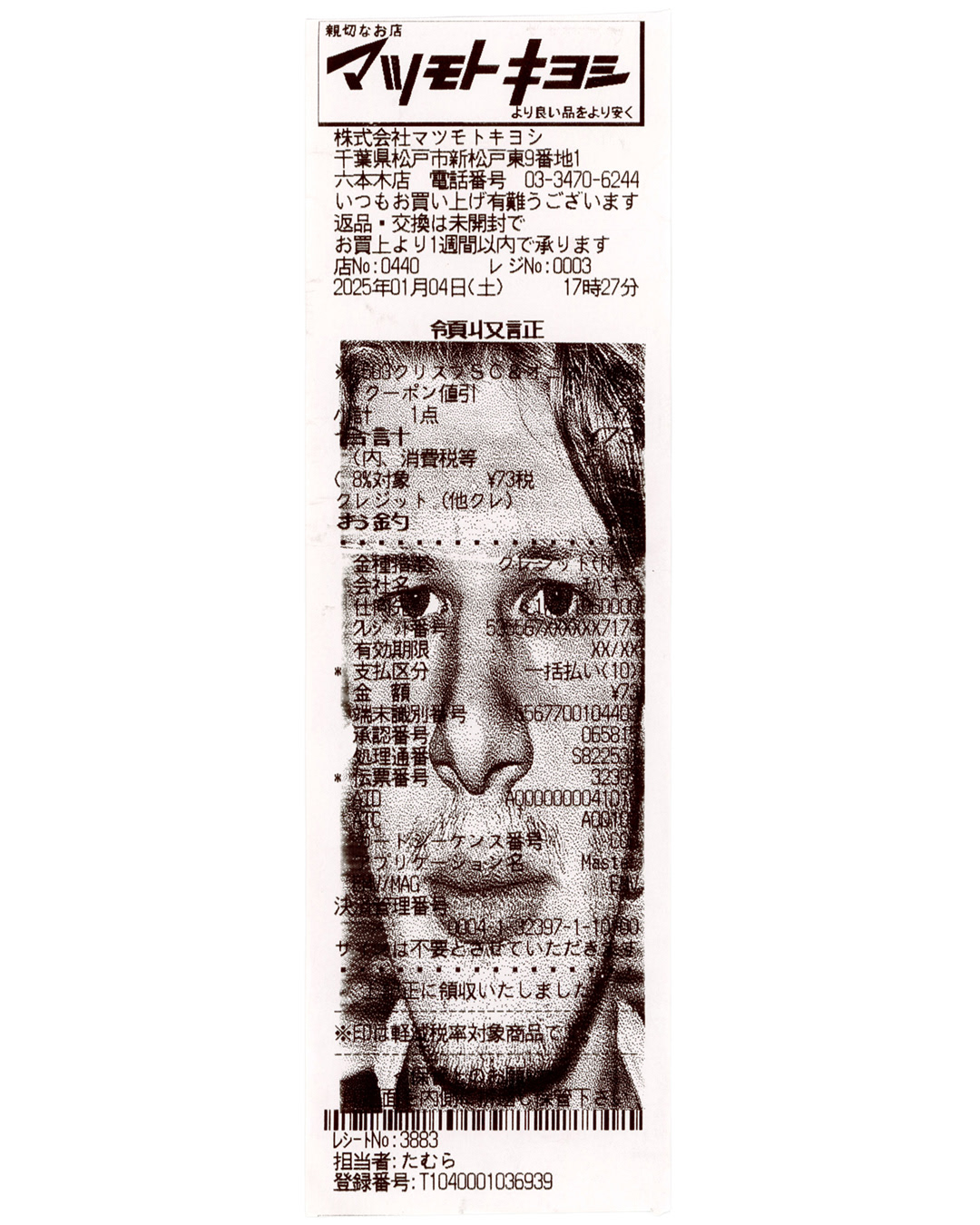
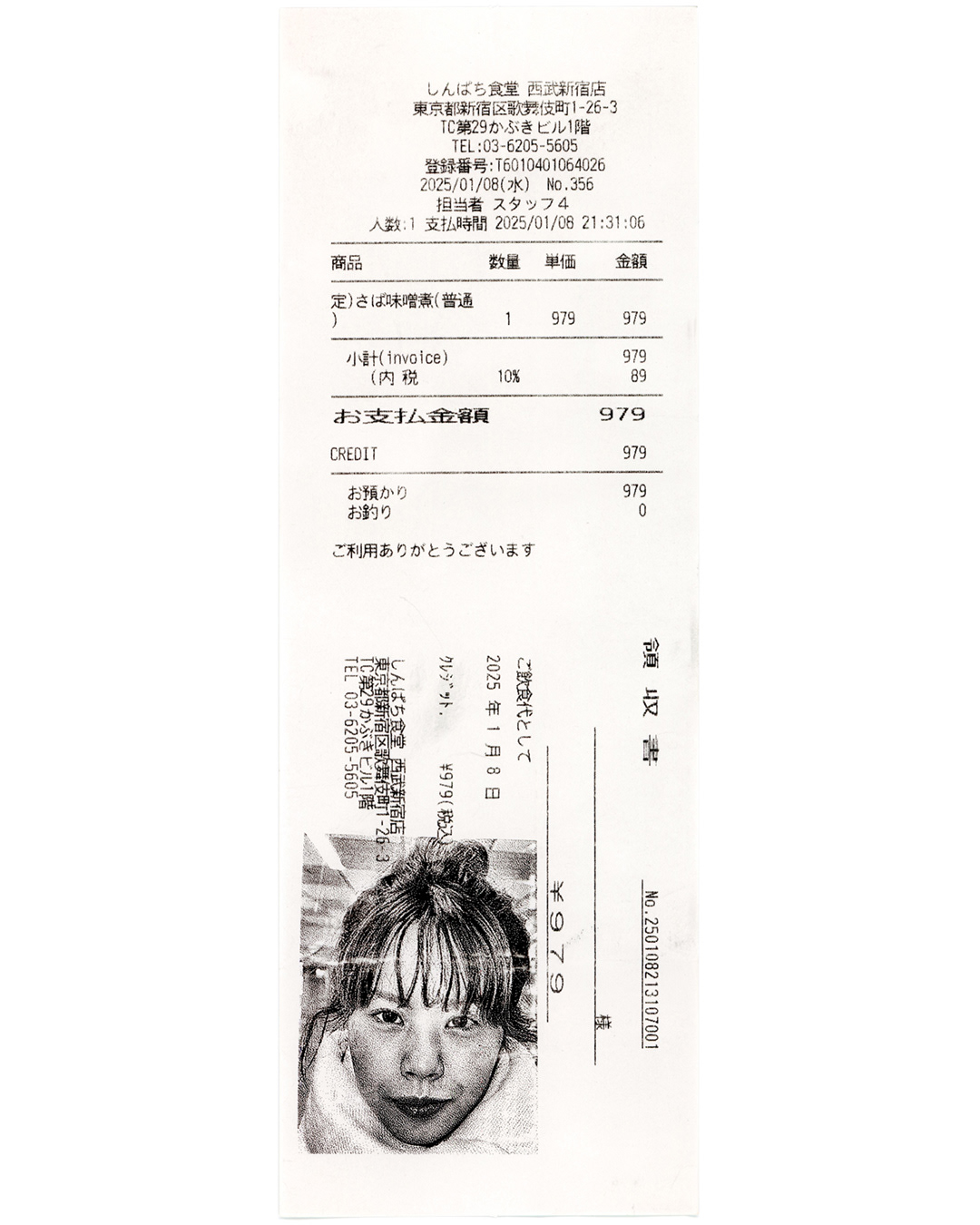
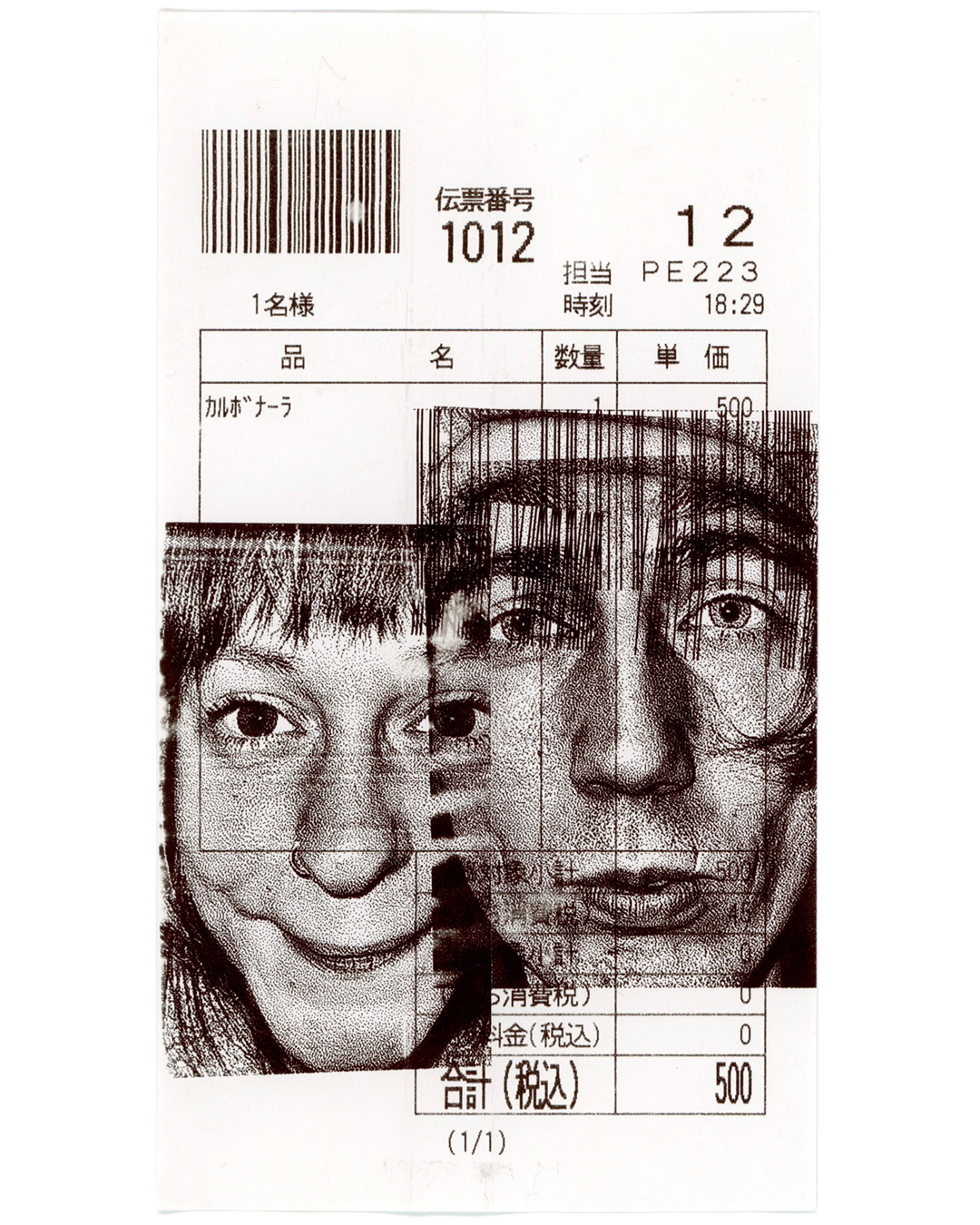
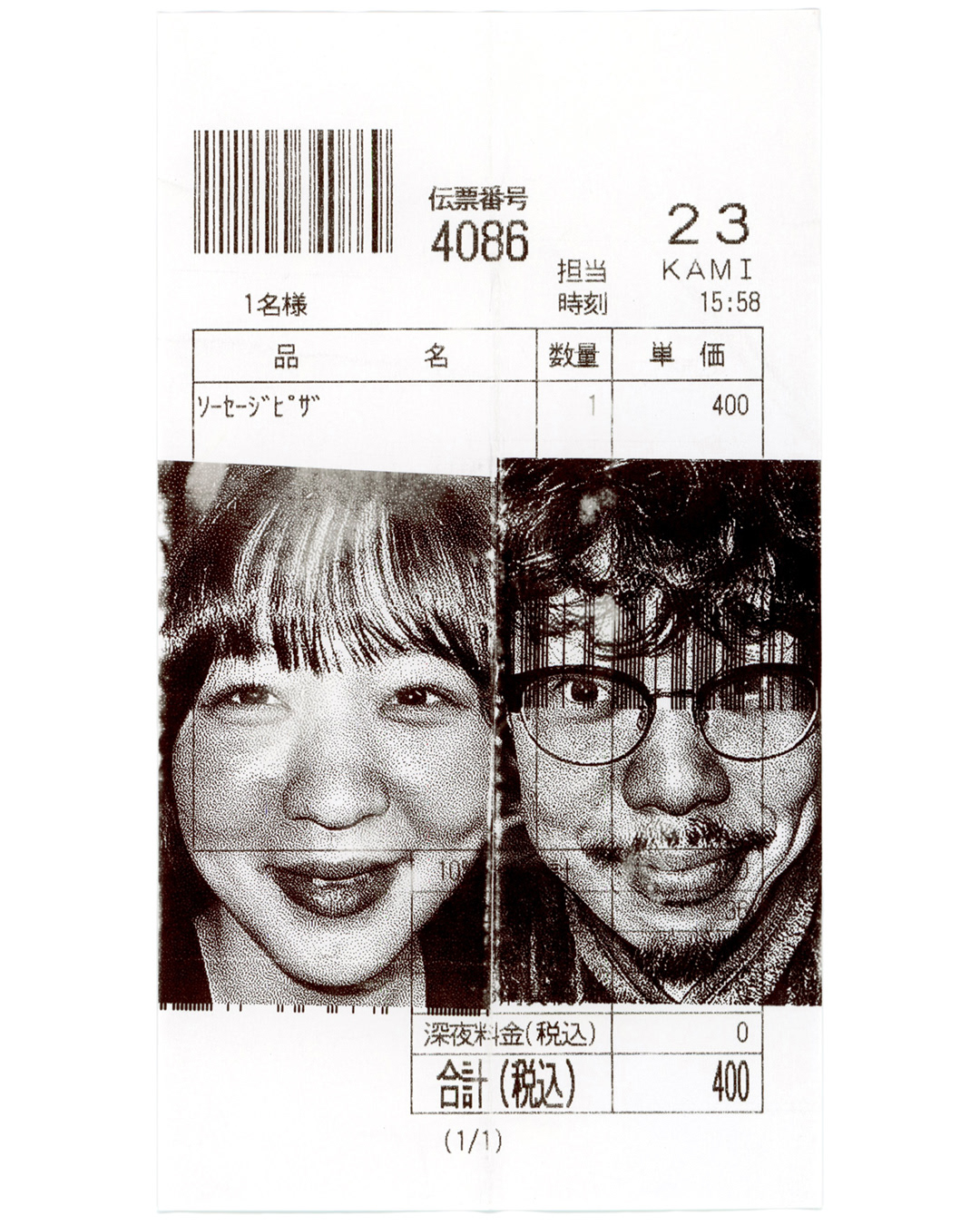
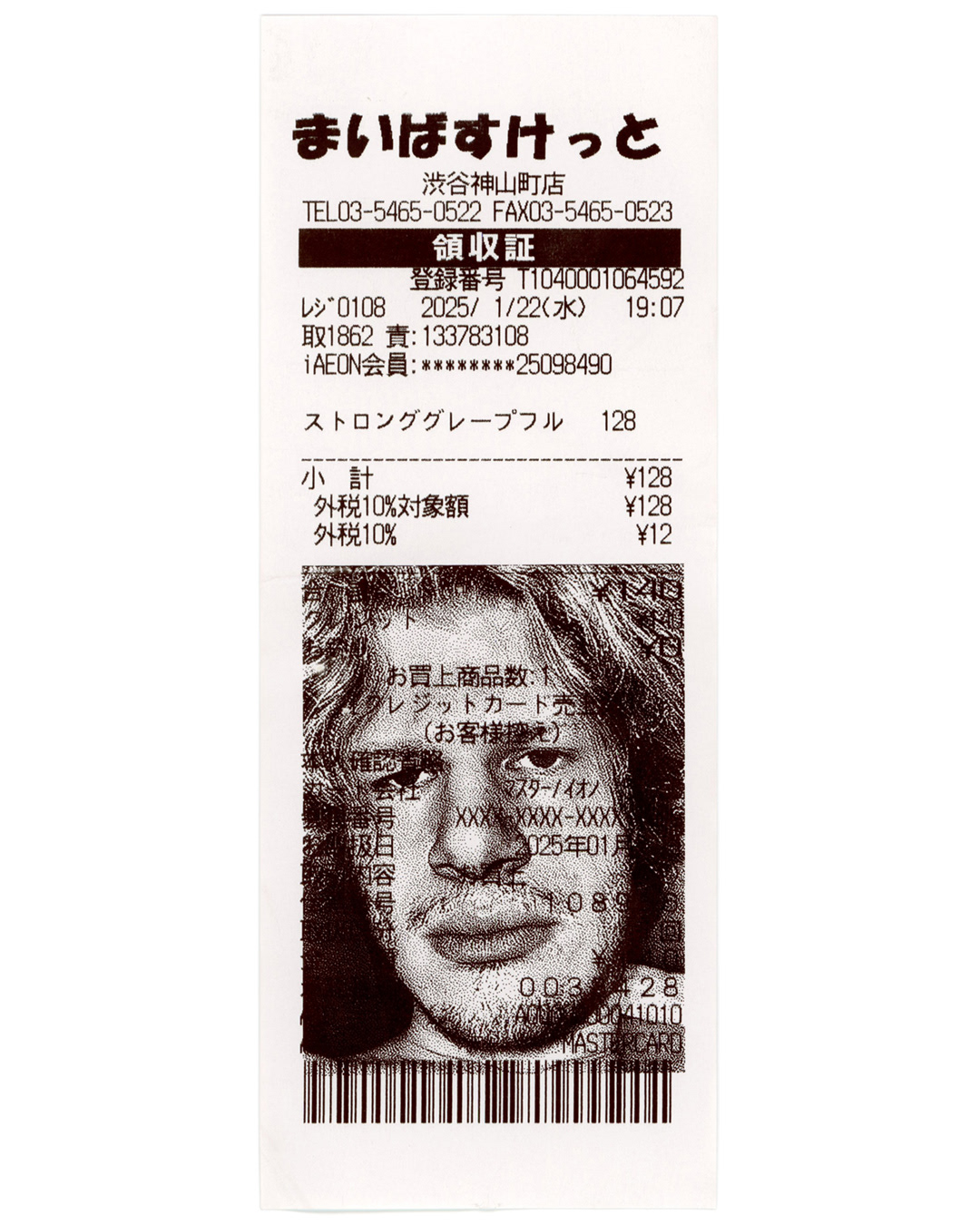
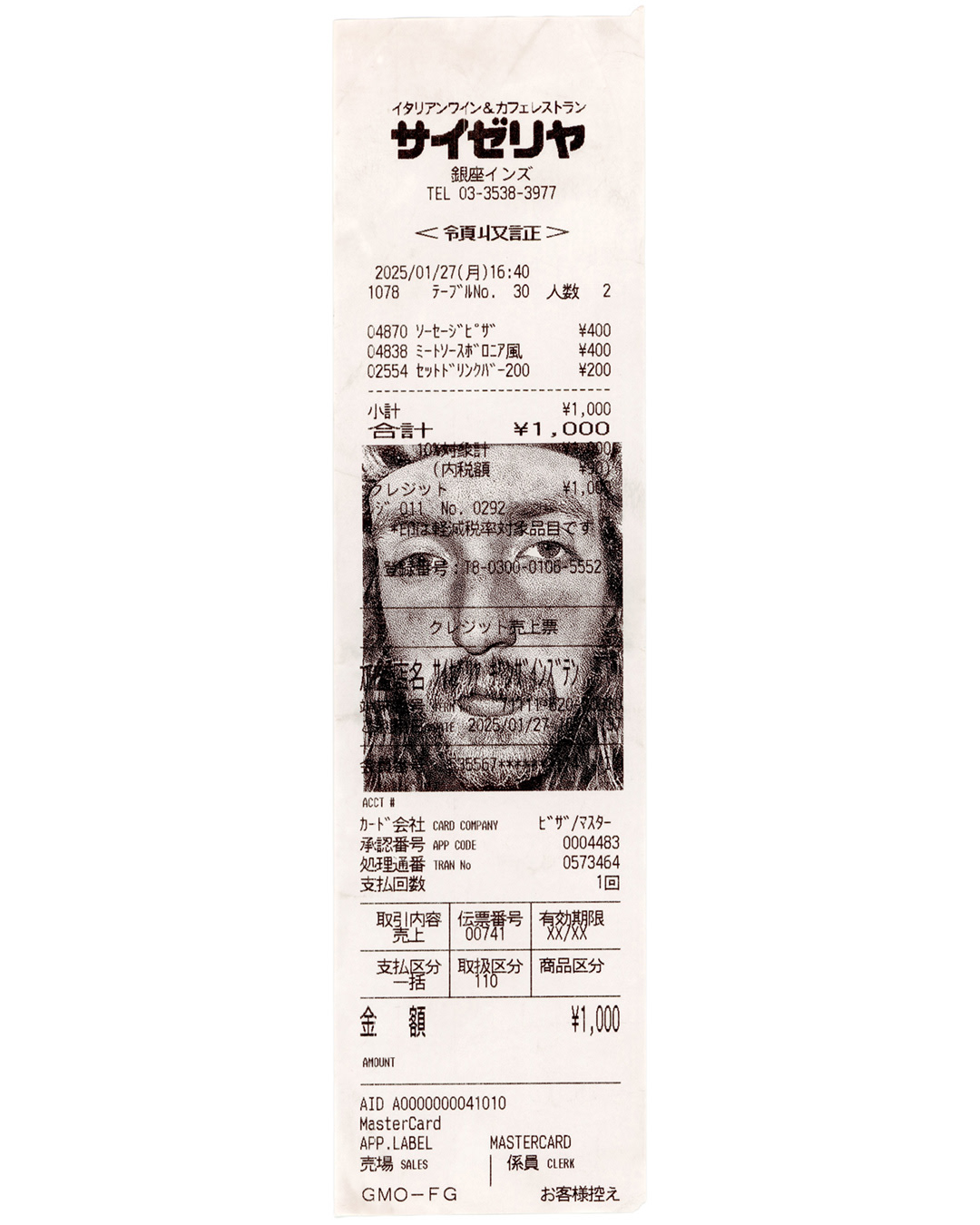
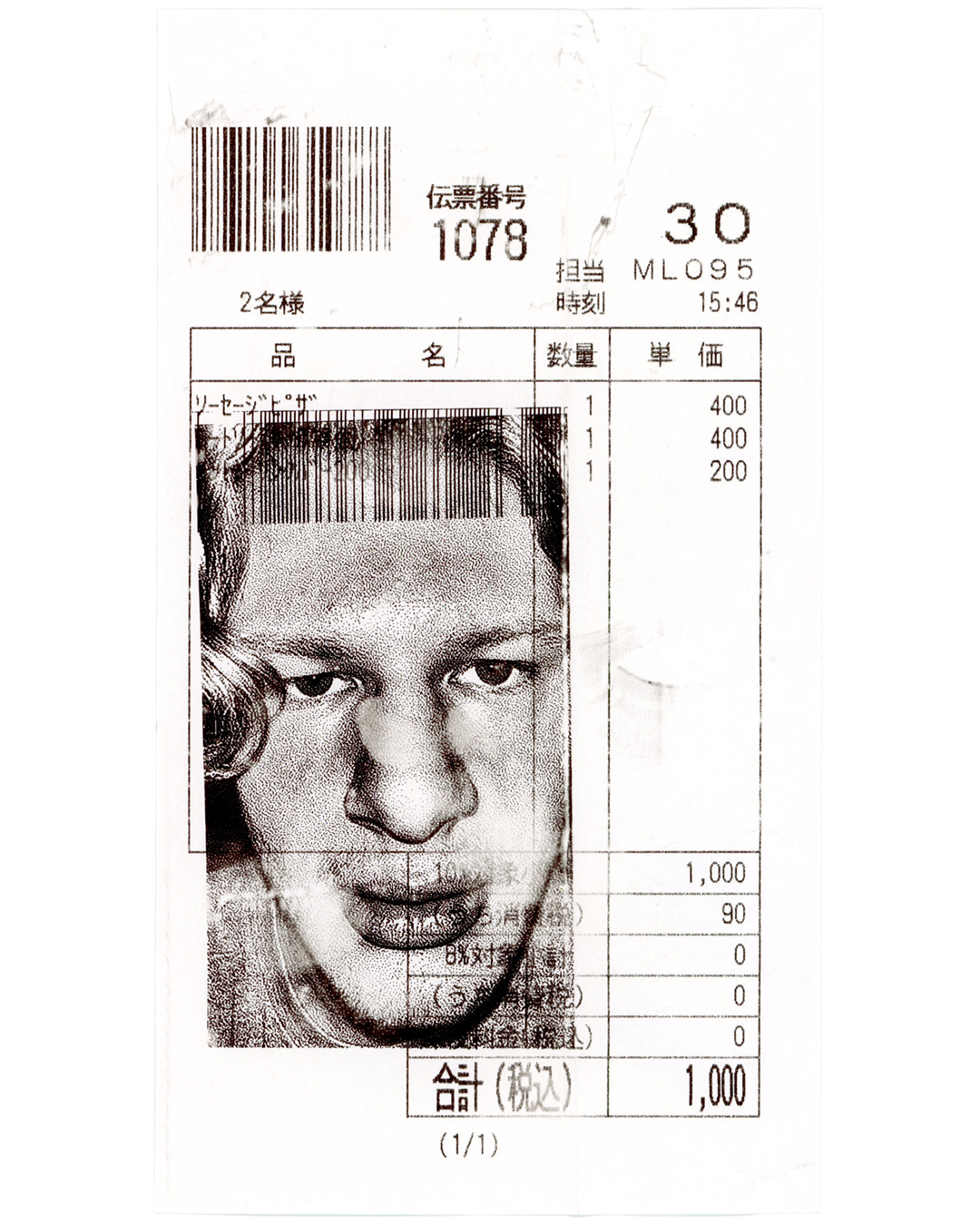
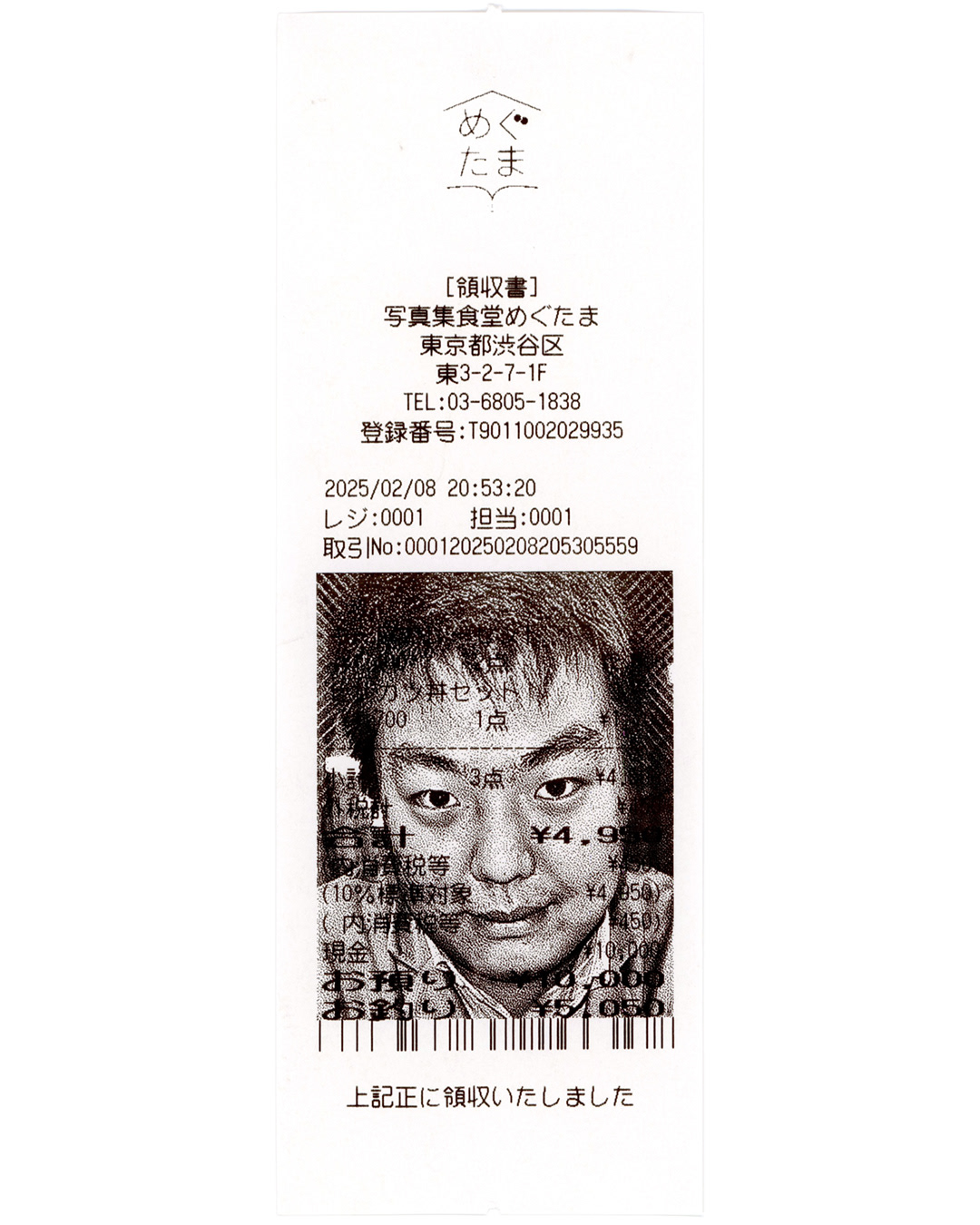
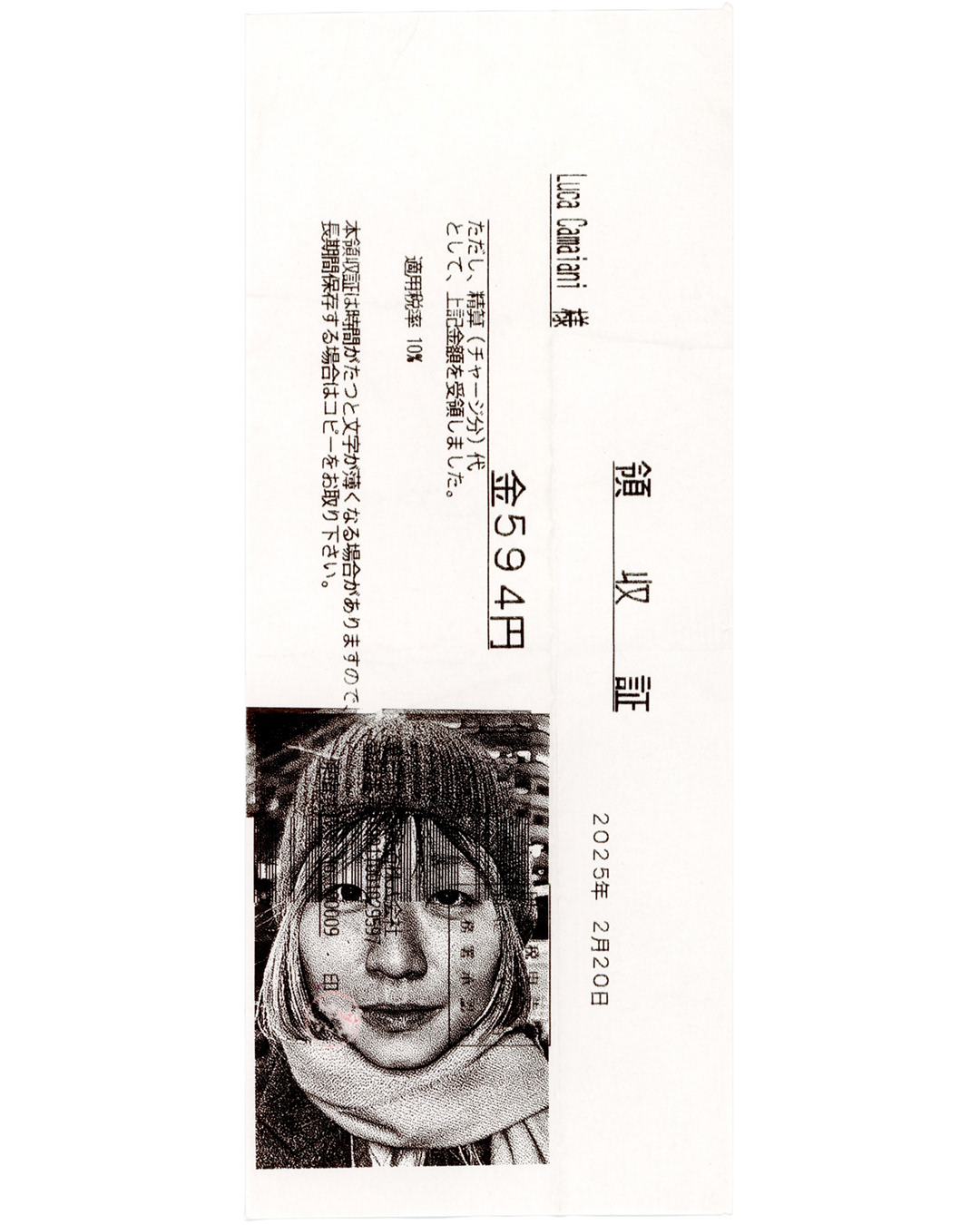
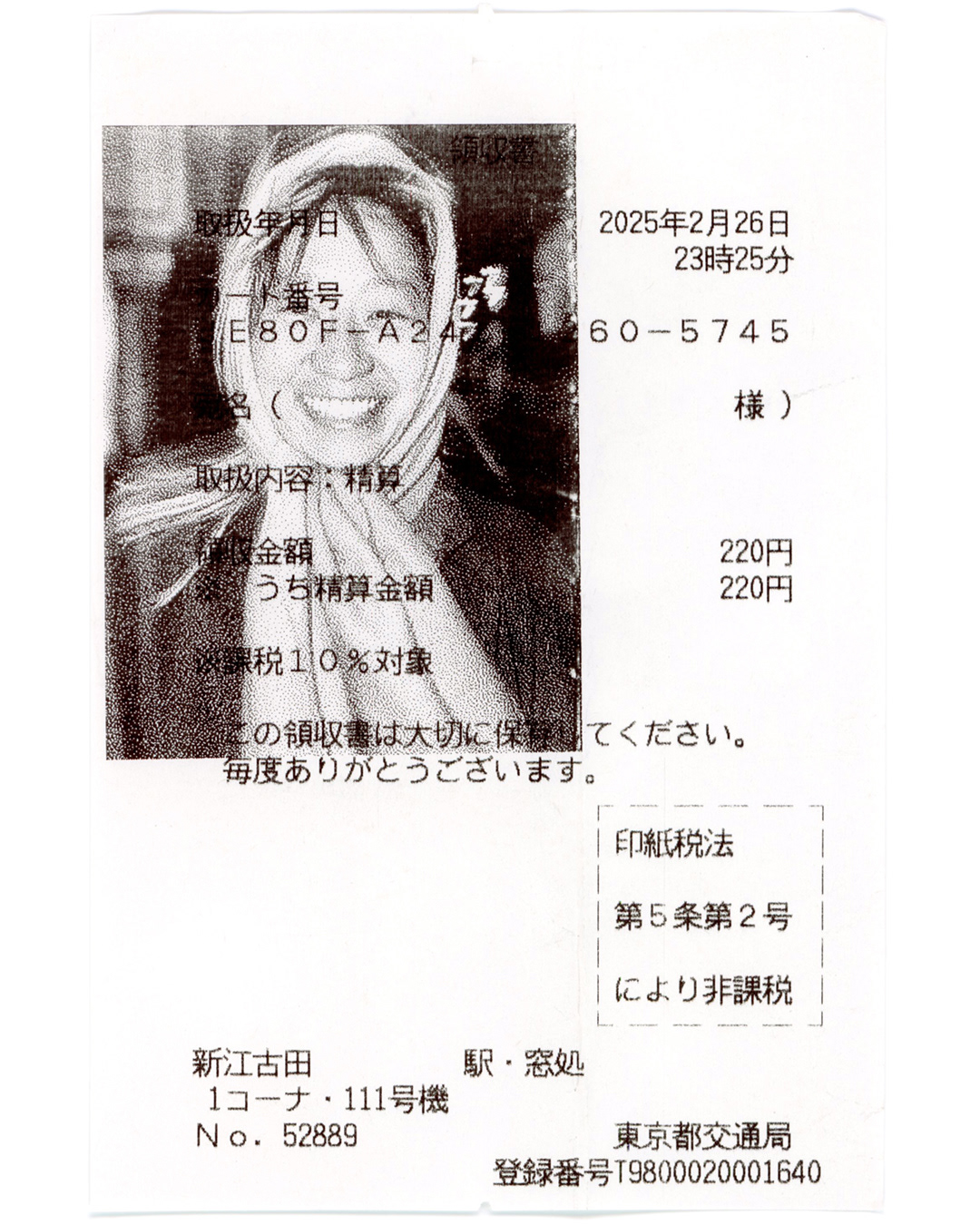
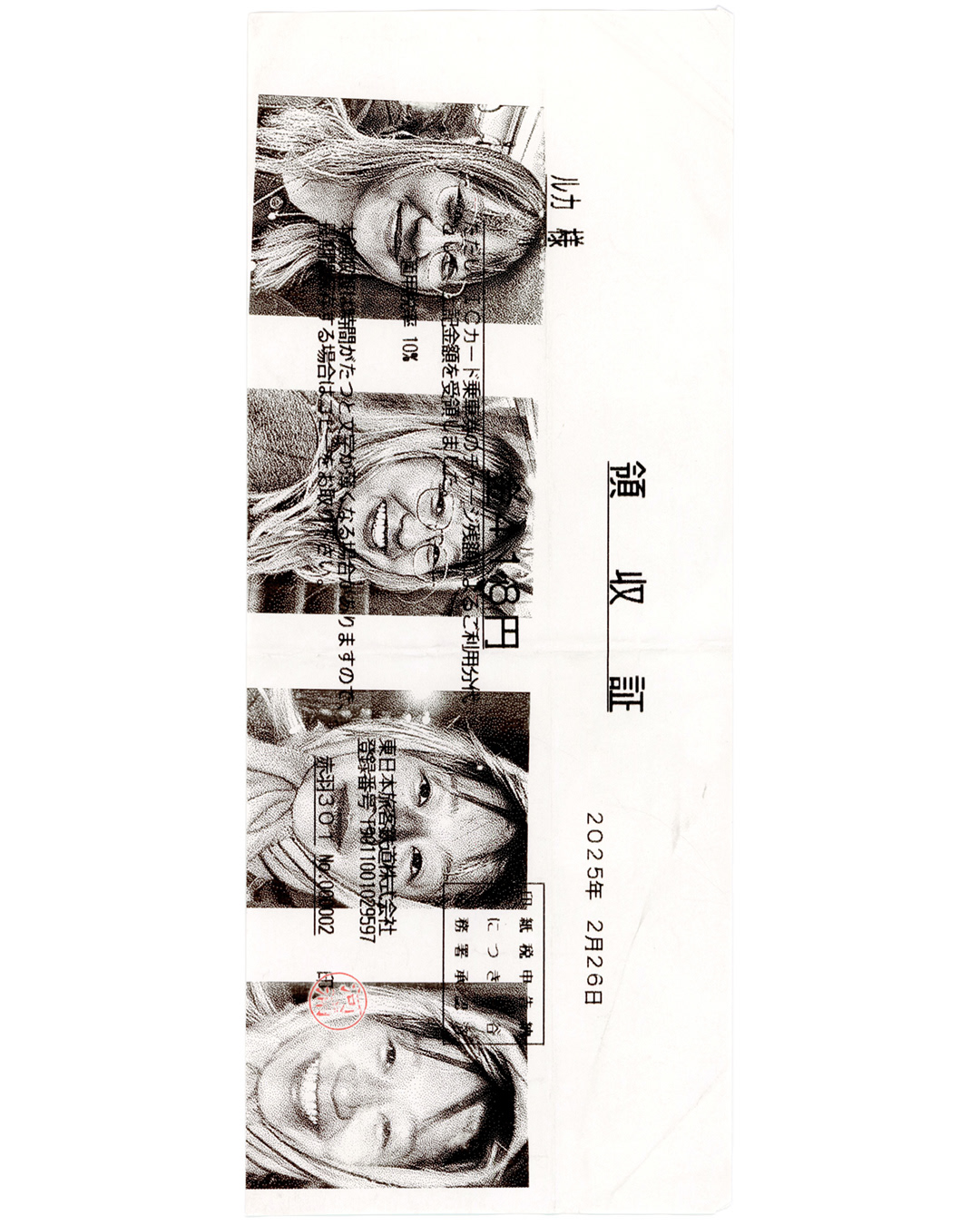
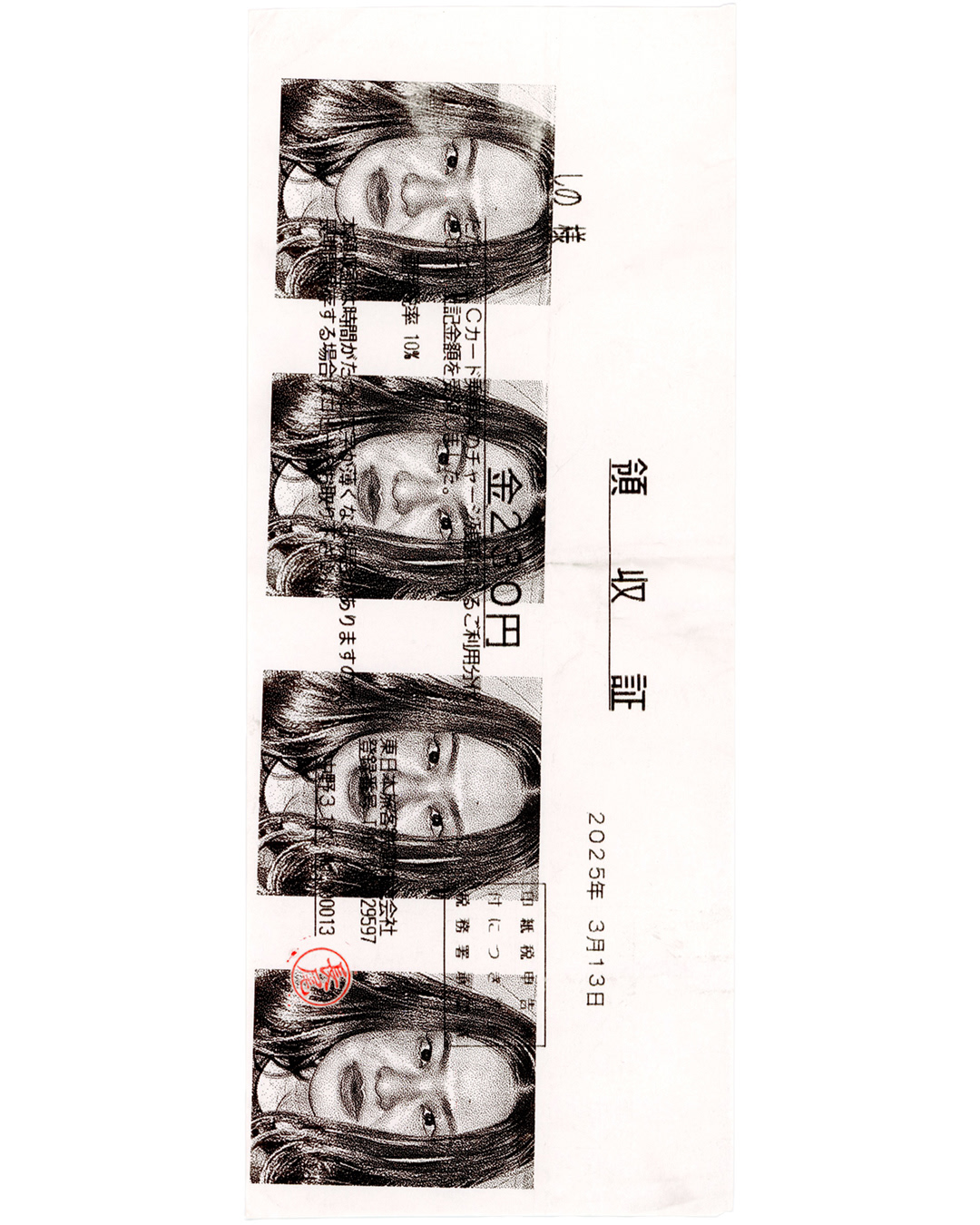
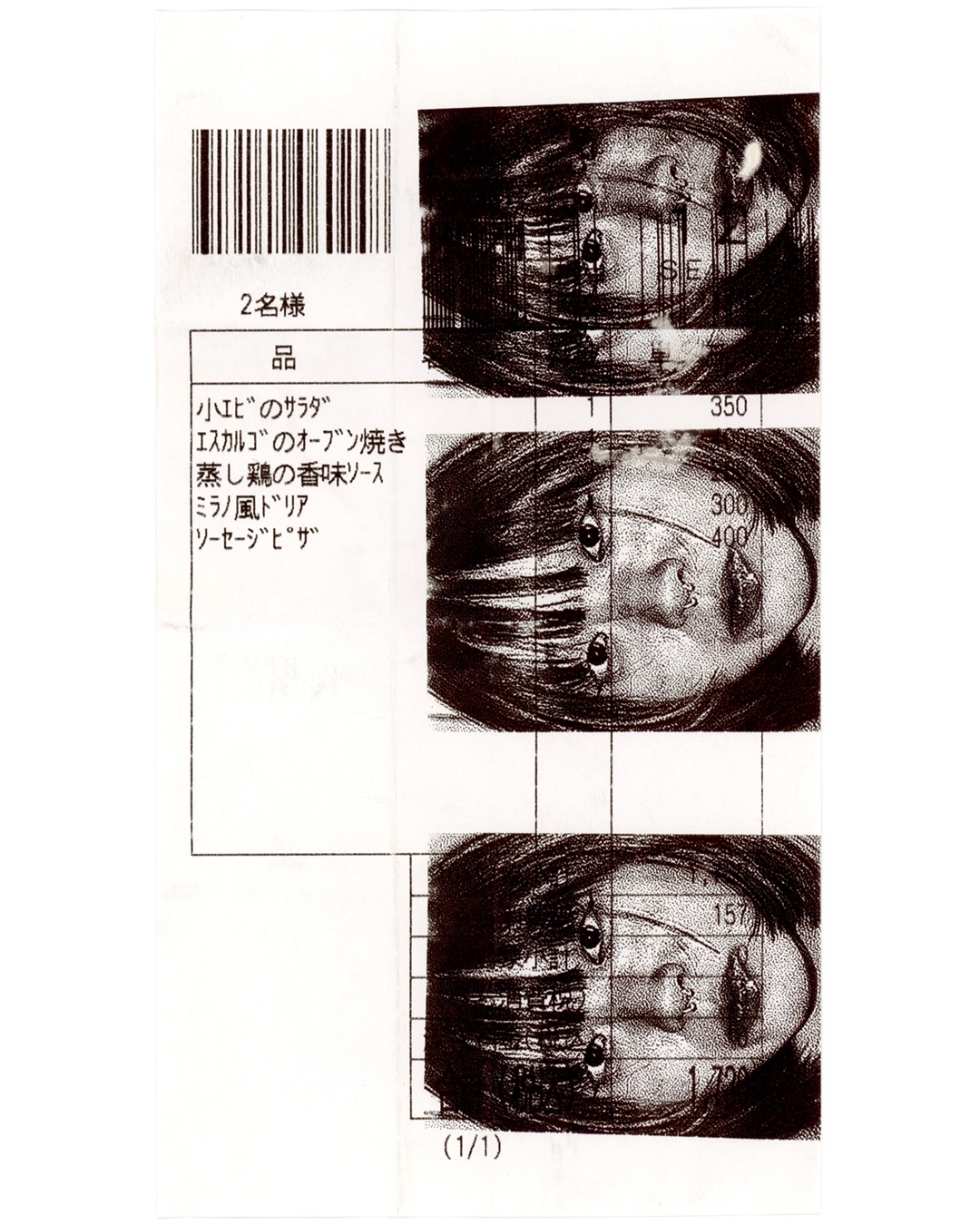
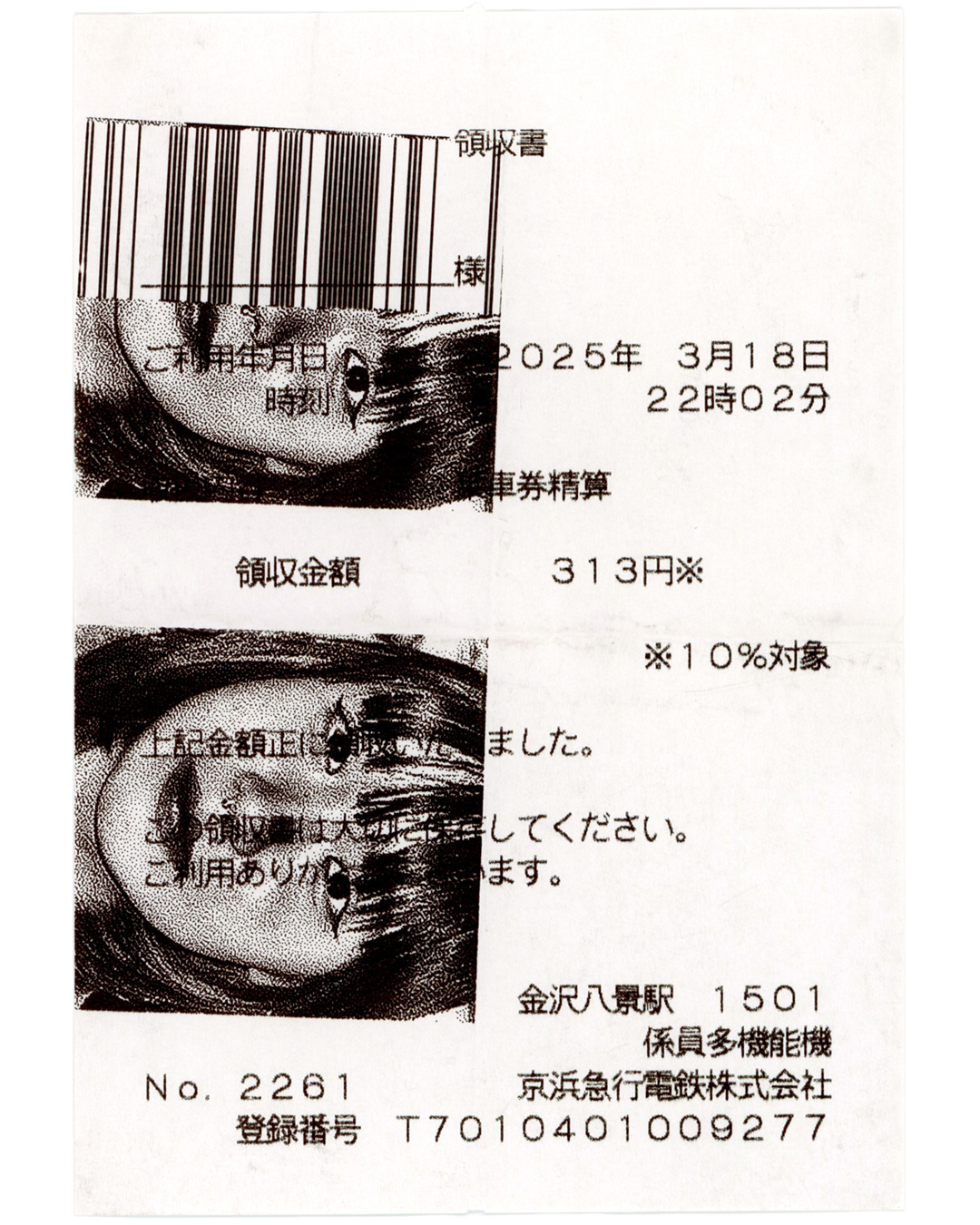
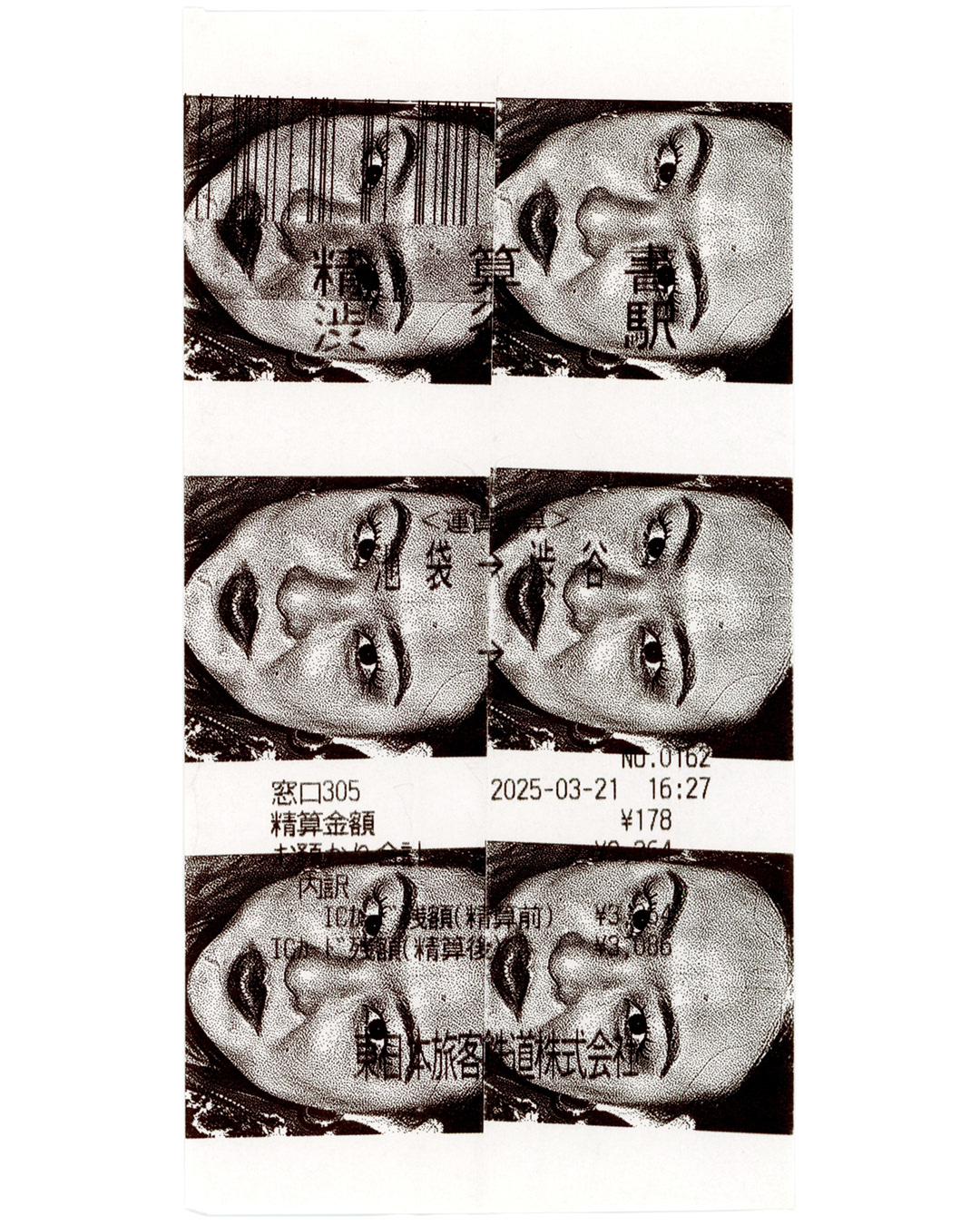
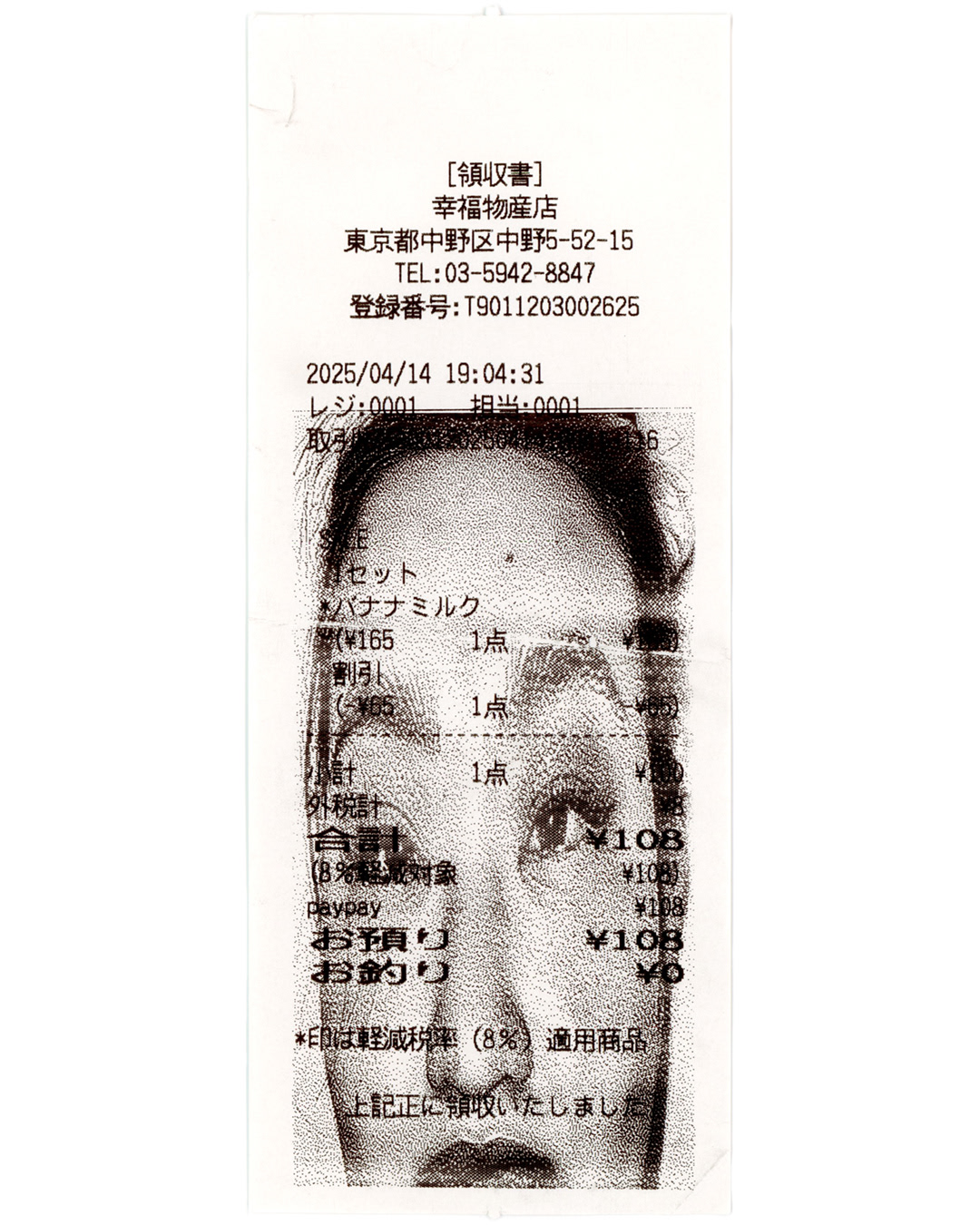
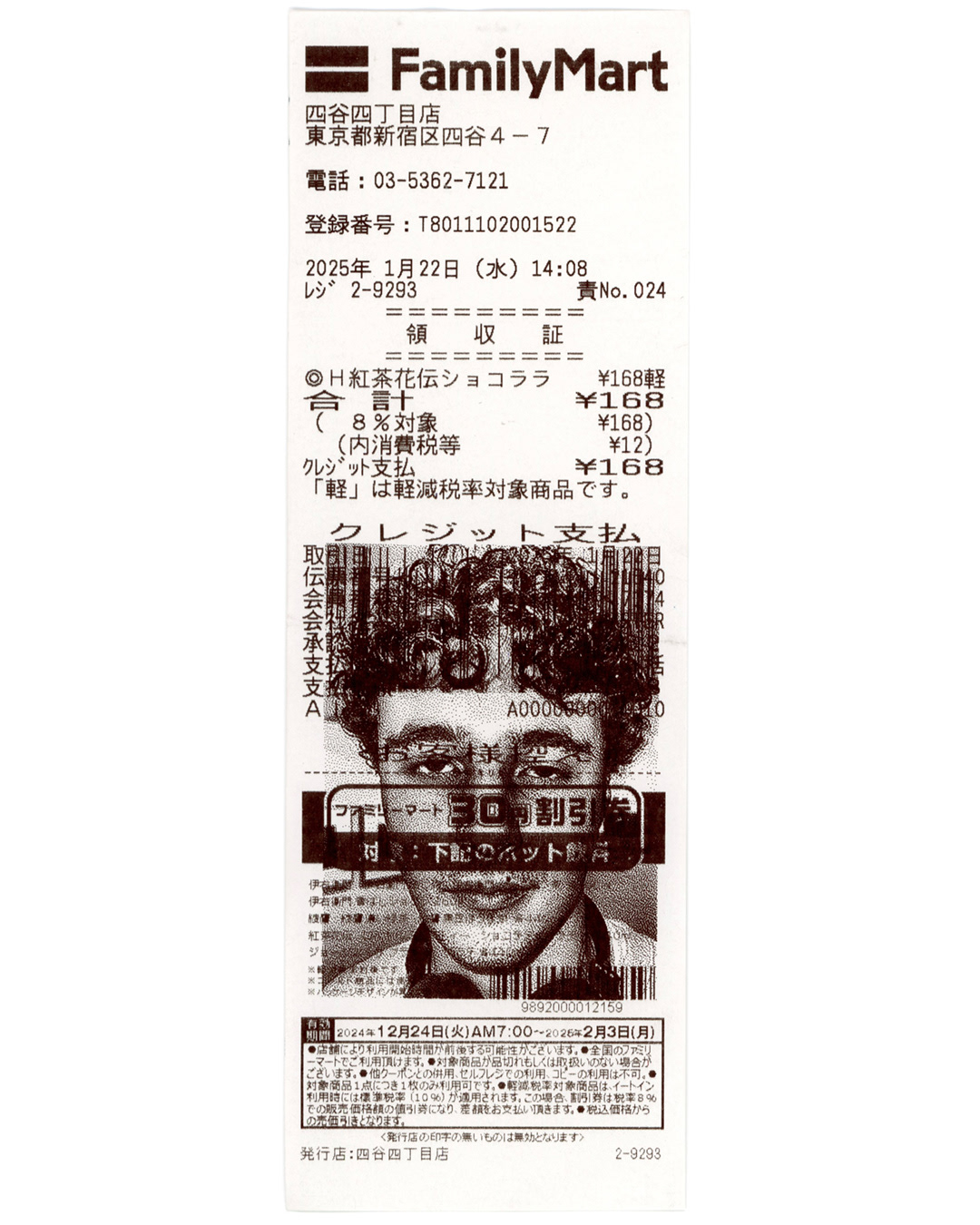
“Fleeting Transactions” explores the tension between the sentimental record of photography and the transactional record of receipts, using the medium as a metaphor for the ephemerality of relationships. Photography holds a deep connection to personal record-keeping. For many, particularly those who wouldn't identify as photographers, it primarily serves as a tool to document their lives and relationships. A photograph of a friend, a family member, a lover, or even a stranger with whom you shared a brief connection. When looking back at such photographs, we are fuelled by sentimentality, and this feeling, for many, is the driving force behind the practice of photography. A receipt is also a document used to record our lives, though this document is strictly utilitarian. Once a receipt has served its purpose, whether that be for tax deductions, expense reimbursement from an employer, or splitting the bill at a restaurant, it becomes garbage. It is designed to be garbage; the medium in which it is created, thermal paper, fades over time at a varying and unpredictable rate, eventually becoming blank. A receipt lacks the warmth that photography often possesses. It is transactional, only viewing our lives through the lens of economic activity.
In “Fleeting Transactions,” I've used a thermal printer to print portraits onto receipts from my everyday life. The receipts themselves contain a type of biographical metadata, recording the places I go and at what time, along with the products and services I purchase. Sequenced chronologically, a narrative can be formed. The portraits printed on these receipts record my relationships or, through self-portraiture, isolation. As a rule, each portrait shares a connection with the receipt. For instance, a portrait is printed on the receipt of a meal shared with the person photographed, or a portrait is printed on the receipt for the train ride to or from meeting this person, or simply the purchase was made on the same day the photo was taken. Each receipt is chosen intentionally to make as many of these connections as possible. By combining the photograph with the receipt, a juxtaposition is created between the cold and transactional, and the sentimental, while each serves to create a clearer autobiographical record of my life in the first six months since coming to Japan.
Documenting my relationships on these receipts has provoked introspection. The work has prompted reflection on how many of our relationships are mediated by consumption. However, the primary refection remains on the ephemerality of connection. One fundamental truth has become clear: like these receipts, all our relationships fade at a varying and unpredictable rate, eventually becoming lost to time.
In June 2025, Fleeting Transactions (Japanese title: つかの間のやり取り) was initially exhibited at Place M, one of Japan’s most historic independent photo galleries, whose membership includes renowned photographer Daido Moriyama. The project was selected for exhibition by accomplished photographer and gallery director Masato Seto. The exhibition featured over 250 receipts collected during the first six months after moving to Tokyo in the fall of 2024.
Fleeting Transactions garnered attention leading up to its Tokyo exhibition and received international online recognition. It was featured by Harper’s Bazaar Korea’s ArtWalk, Photo & Culture Tokyo, Visla Magazine, and VoidTokyo. A limited-edition book was created for the exhibition, which sold out.