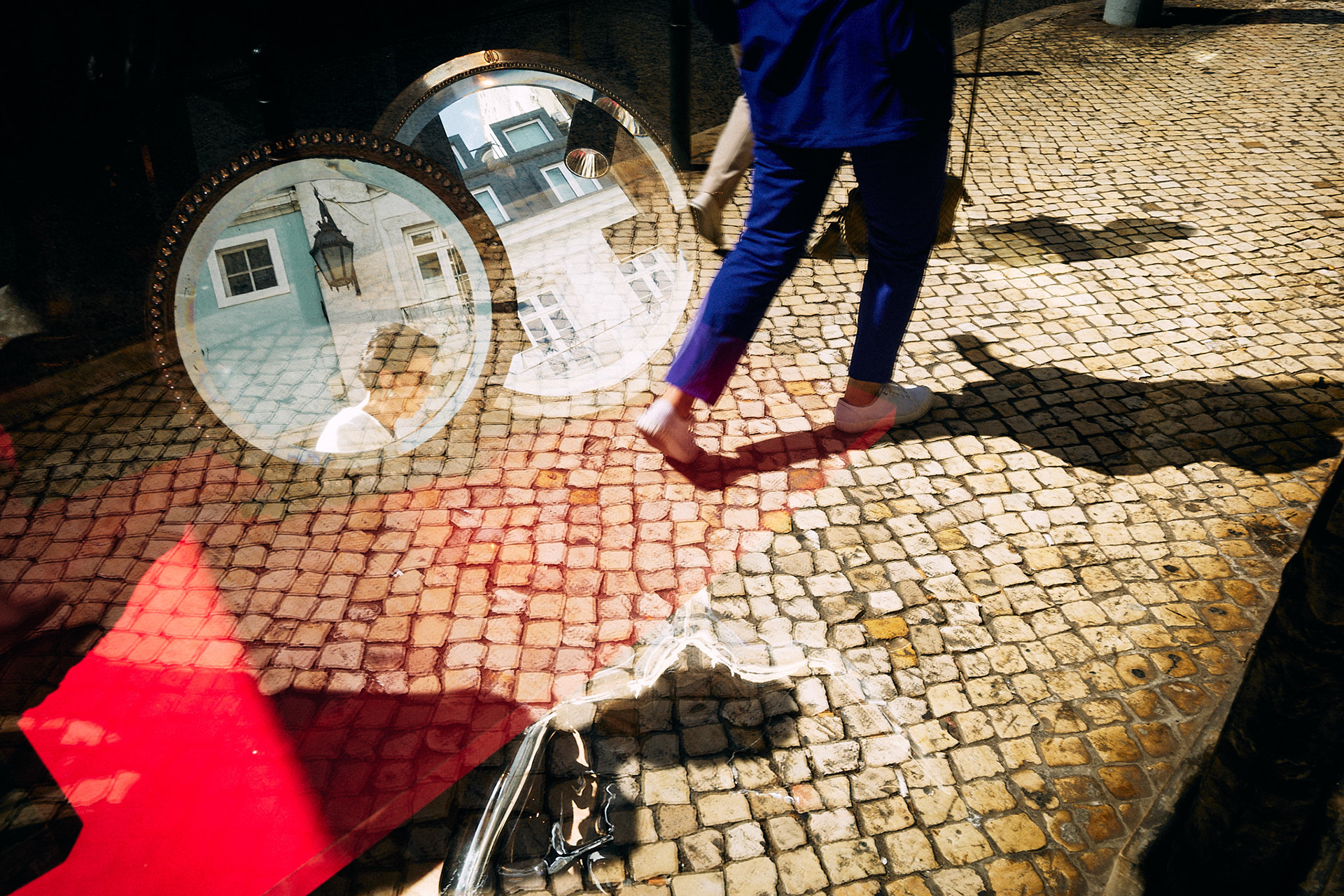
Vietnam and Japan
2023
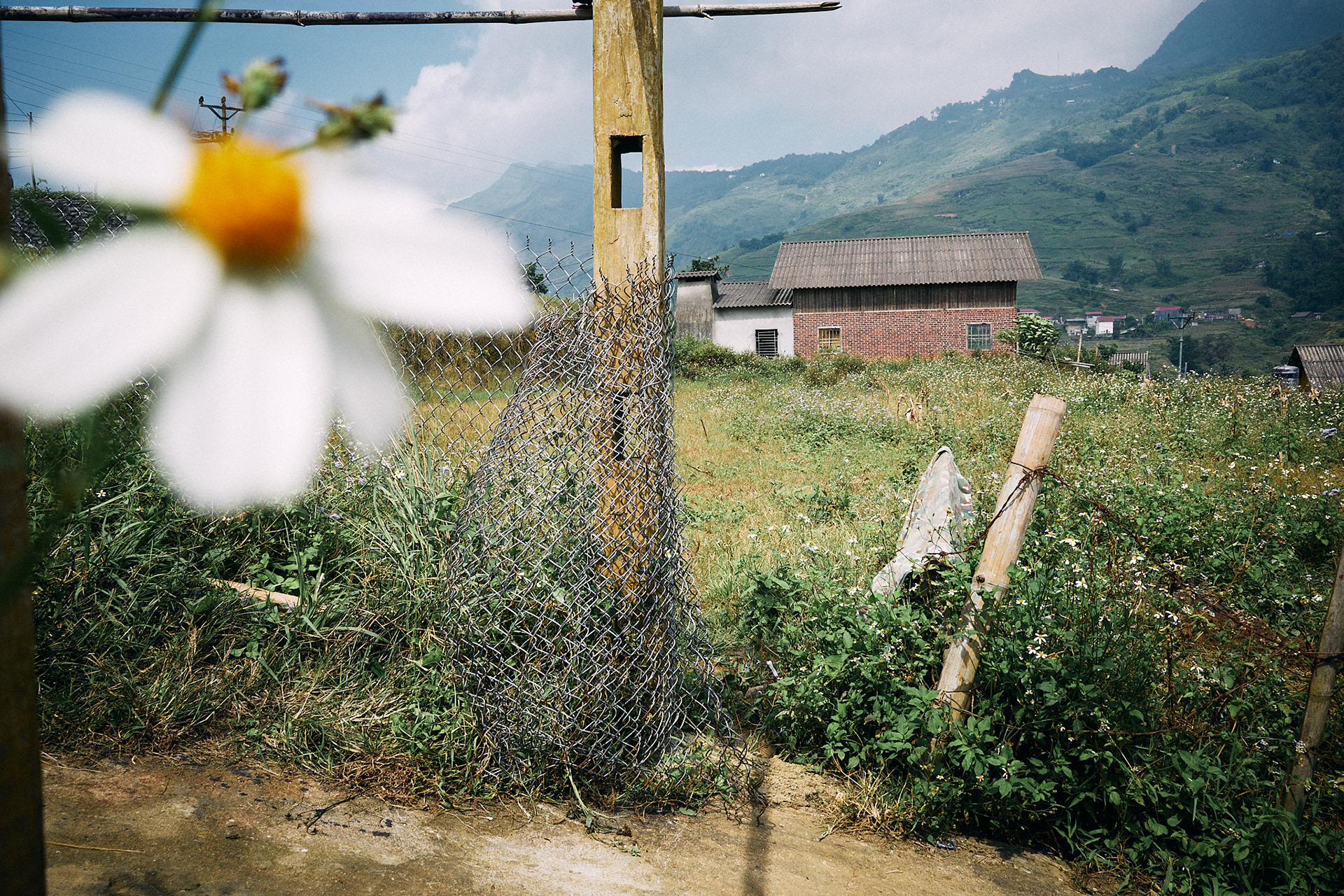
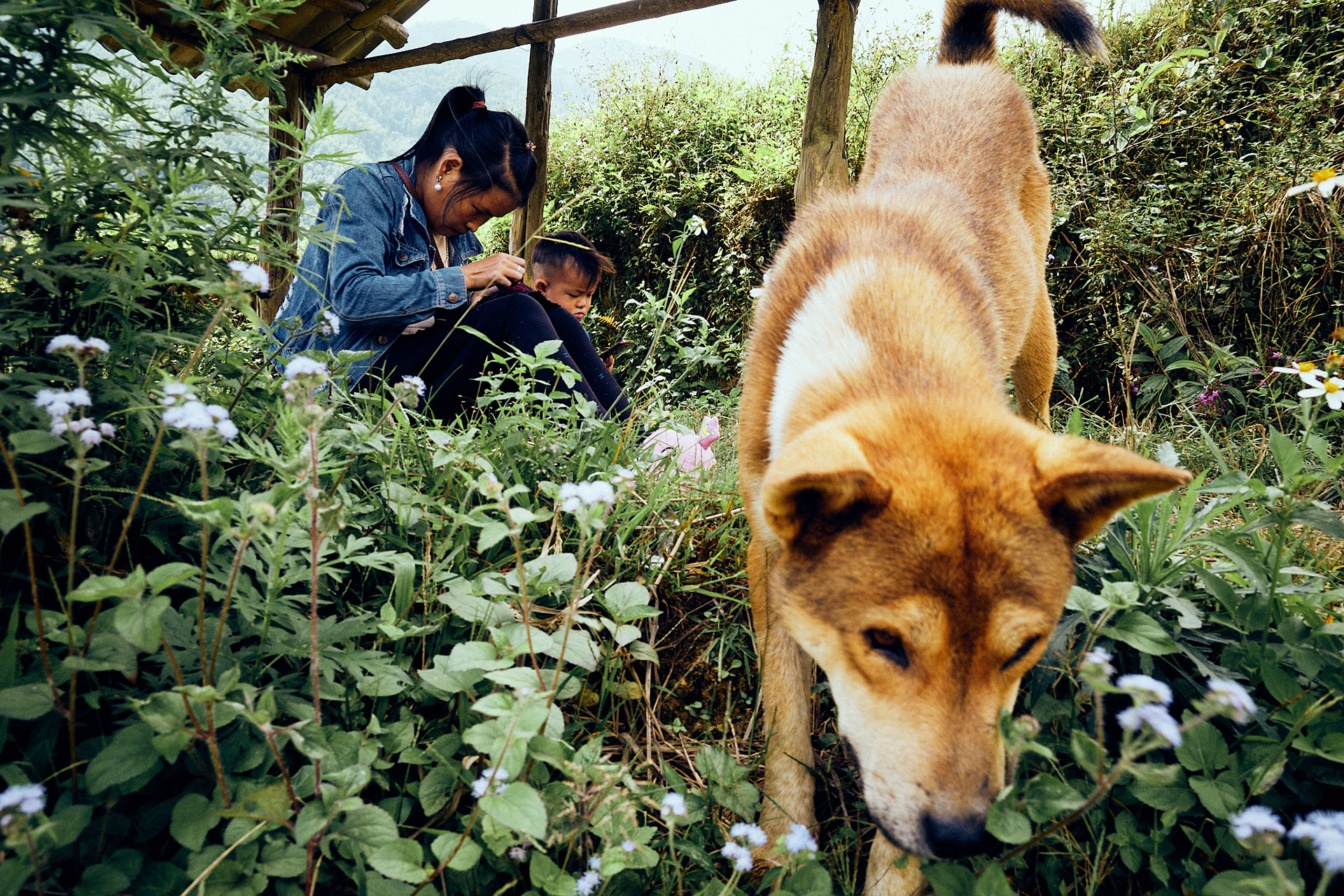
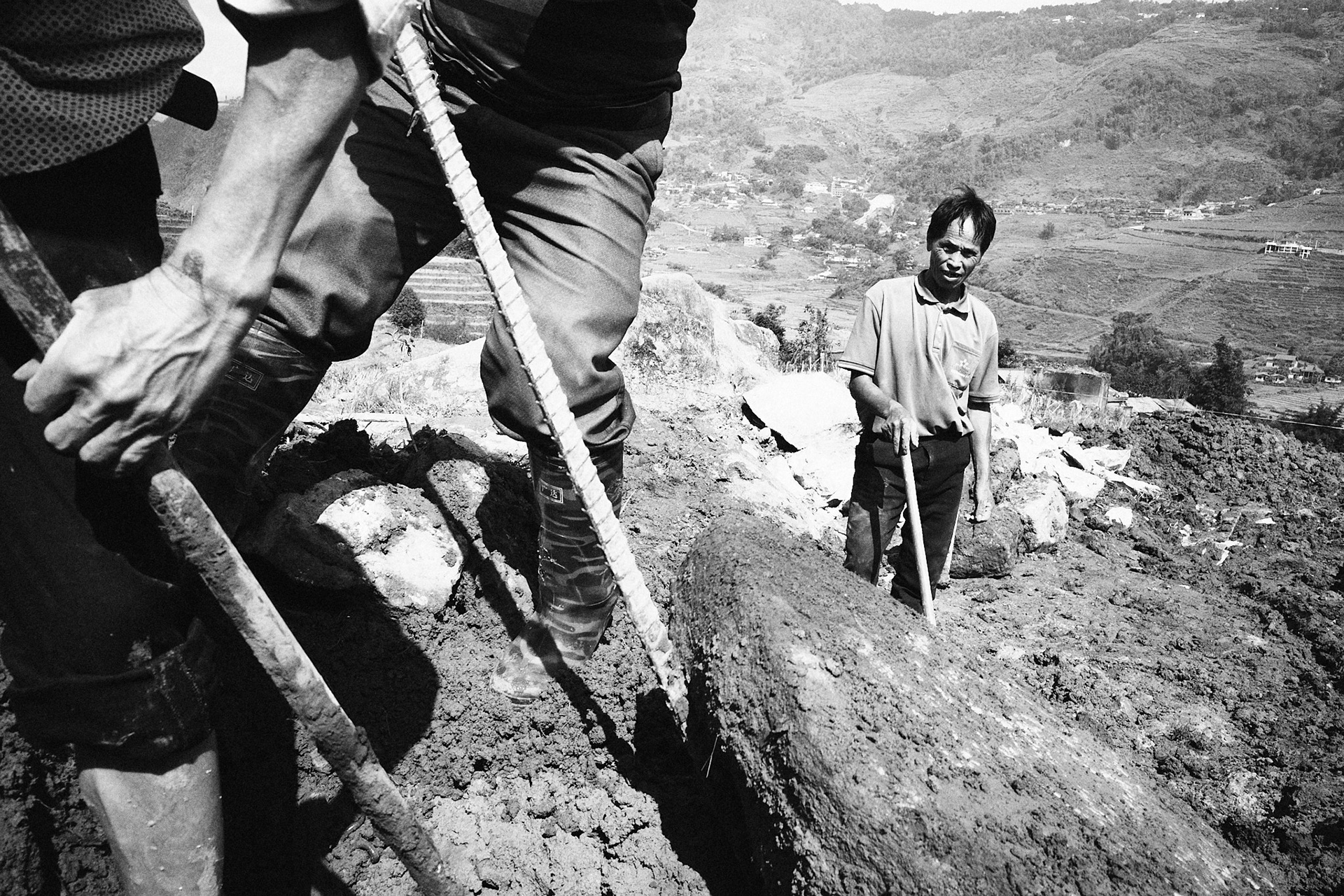
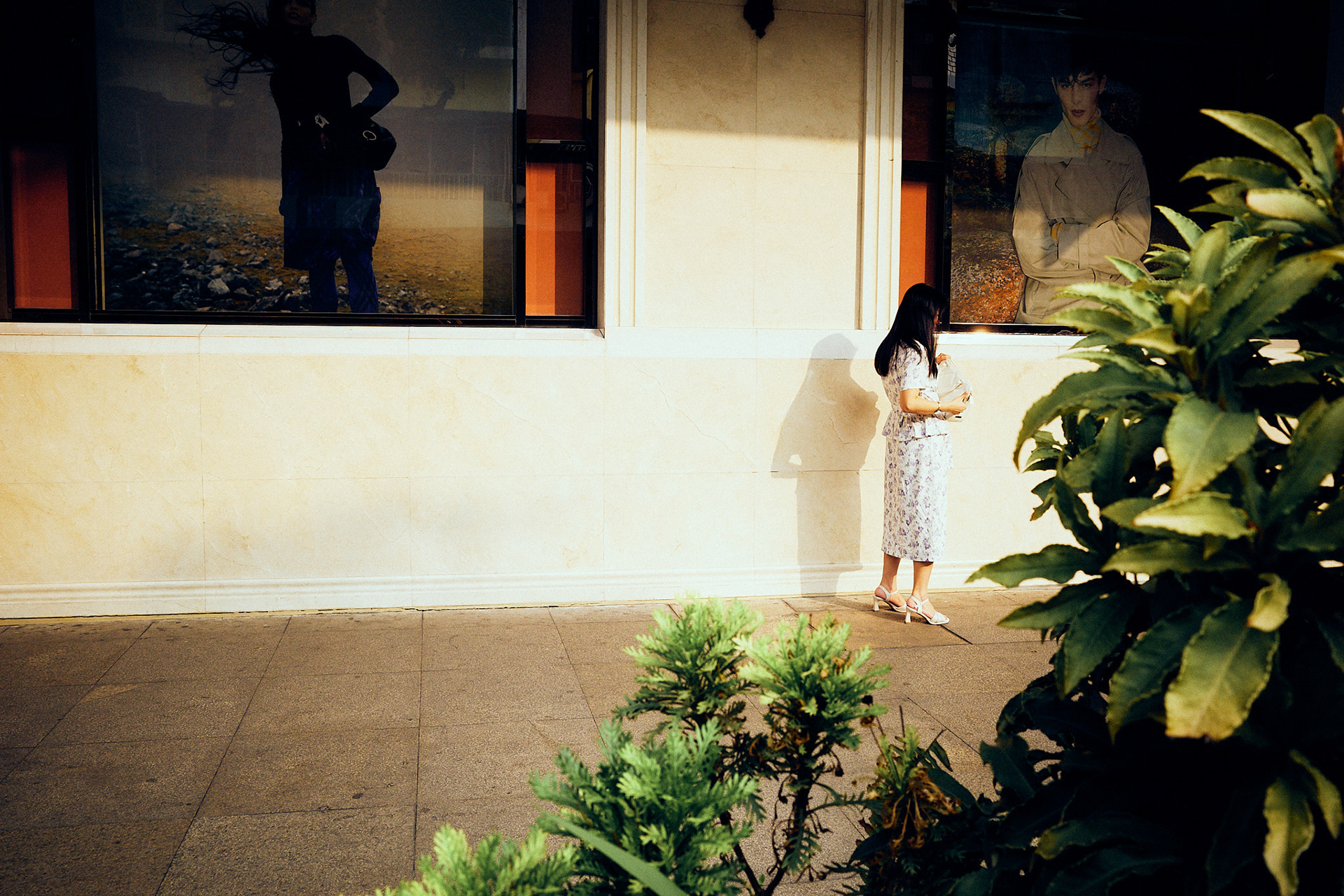
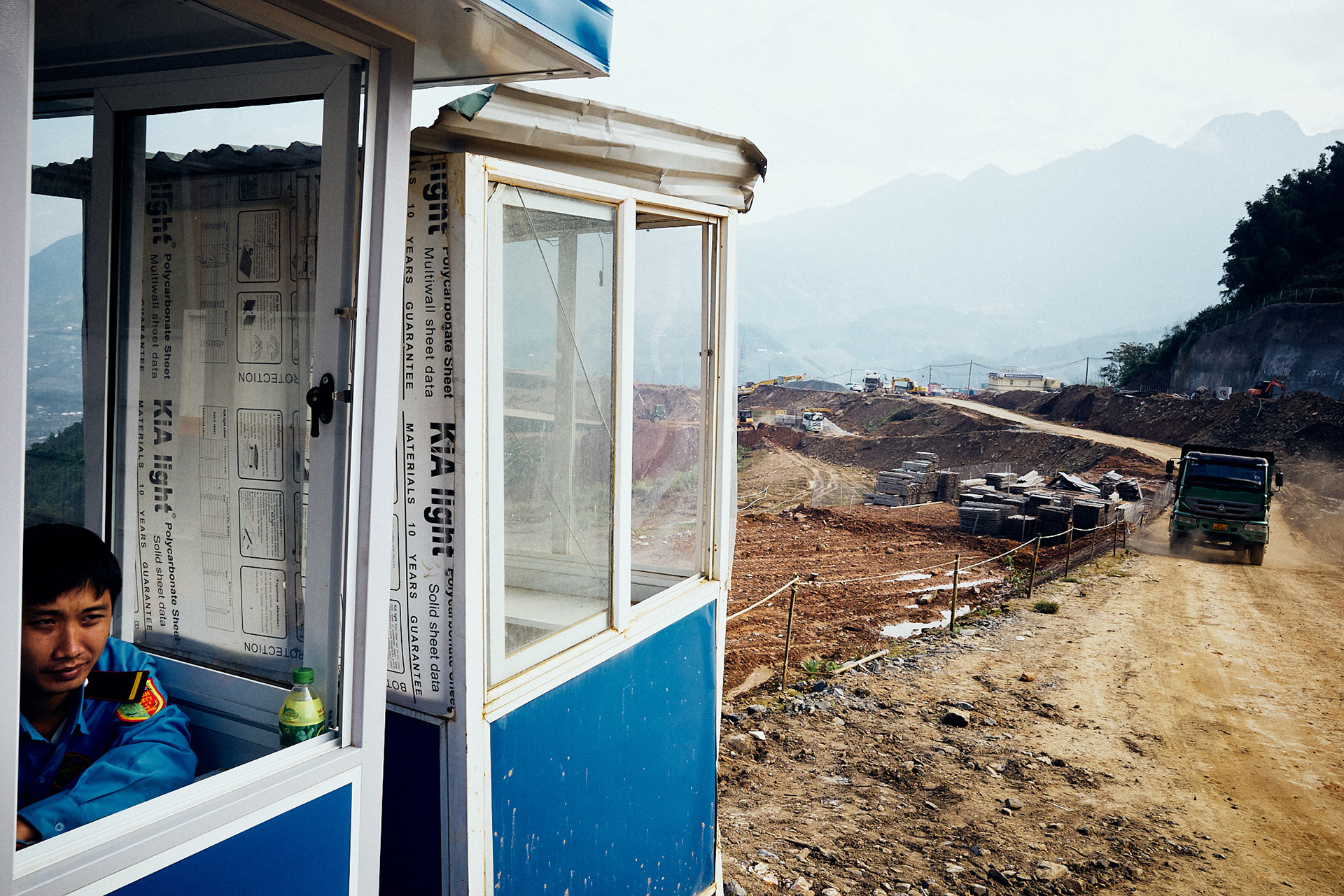
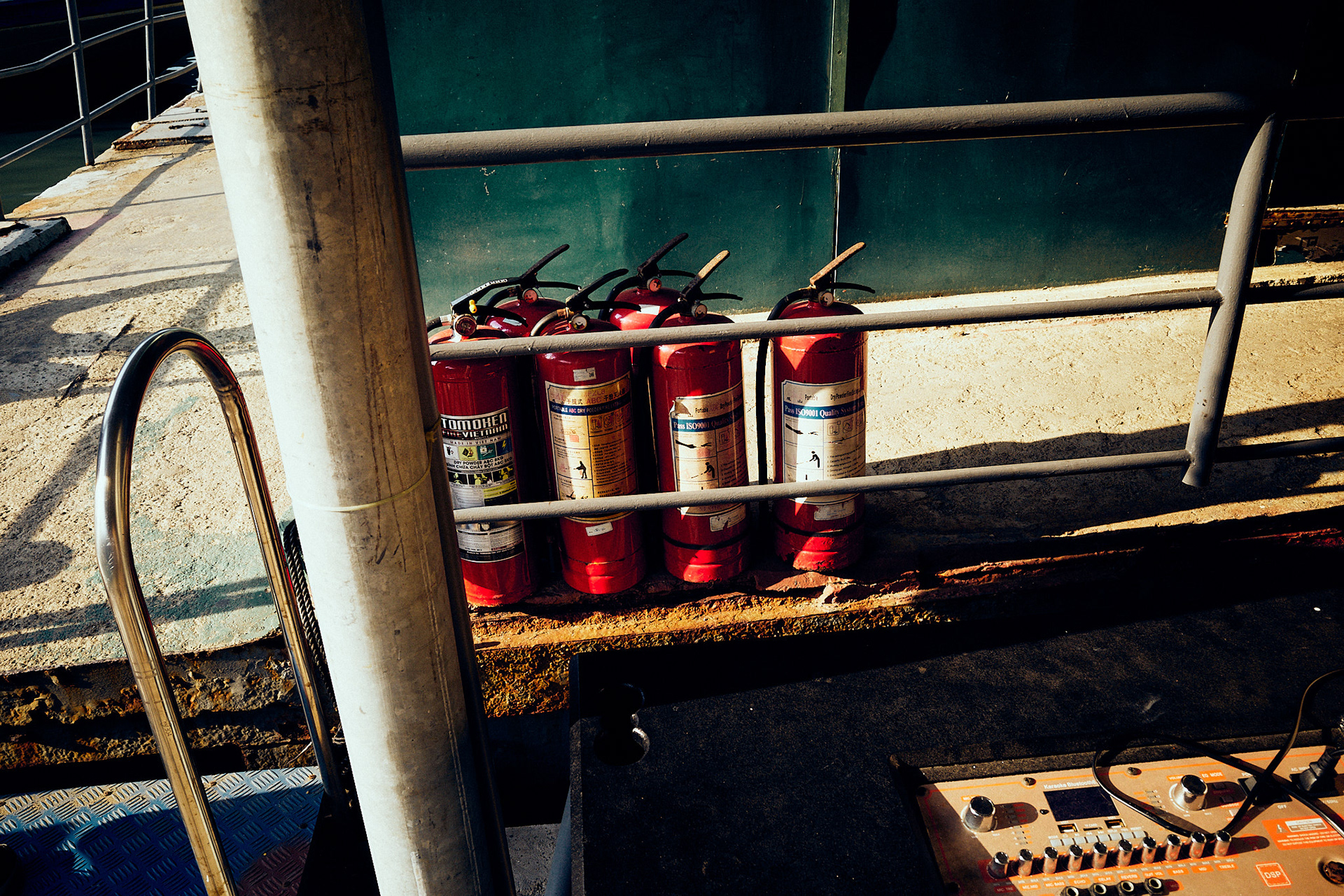
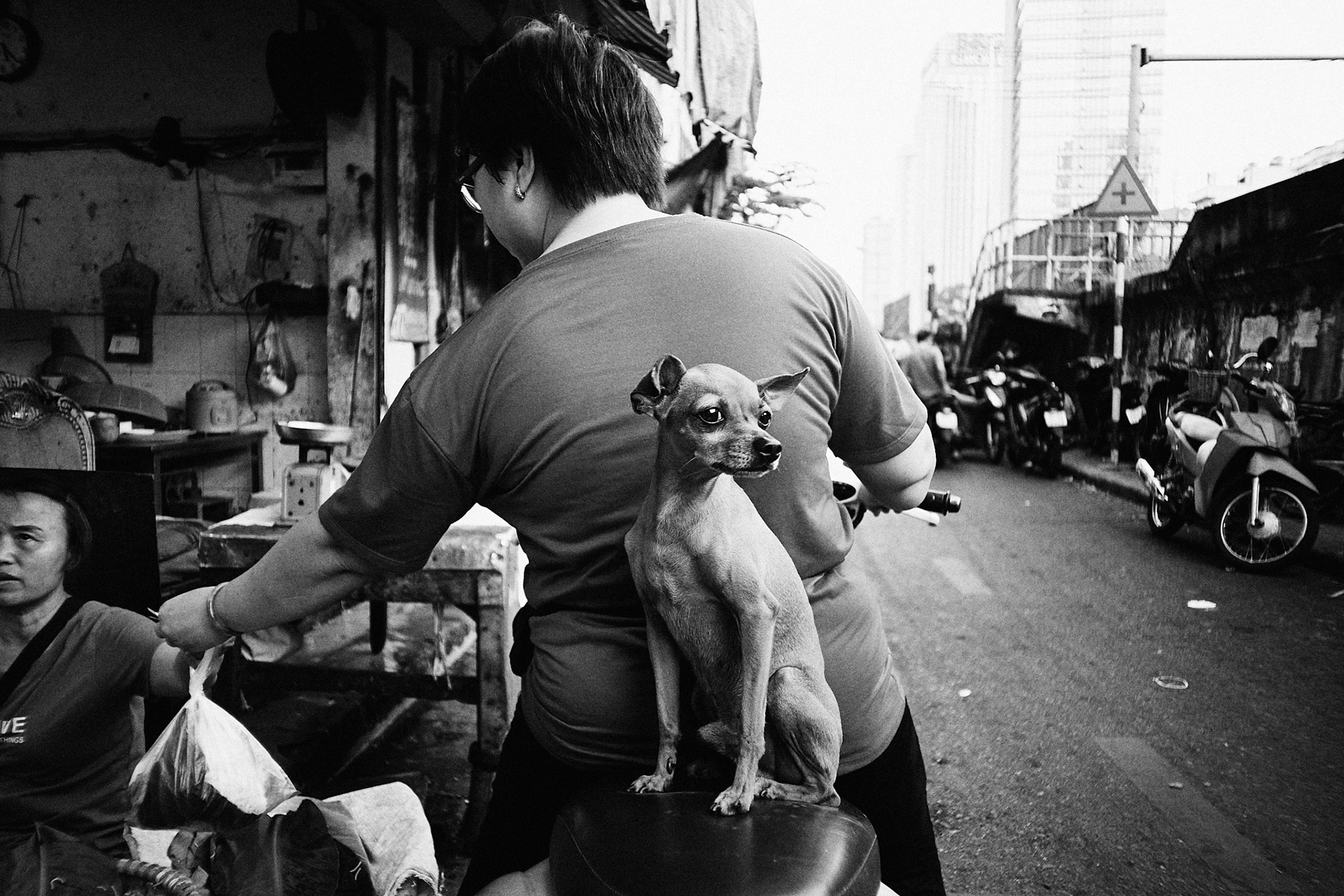
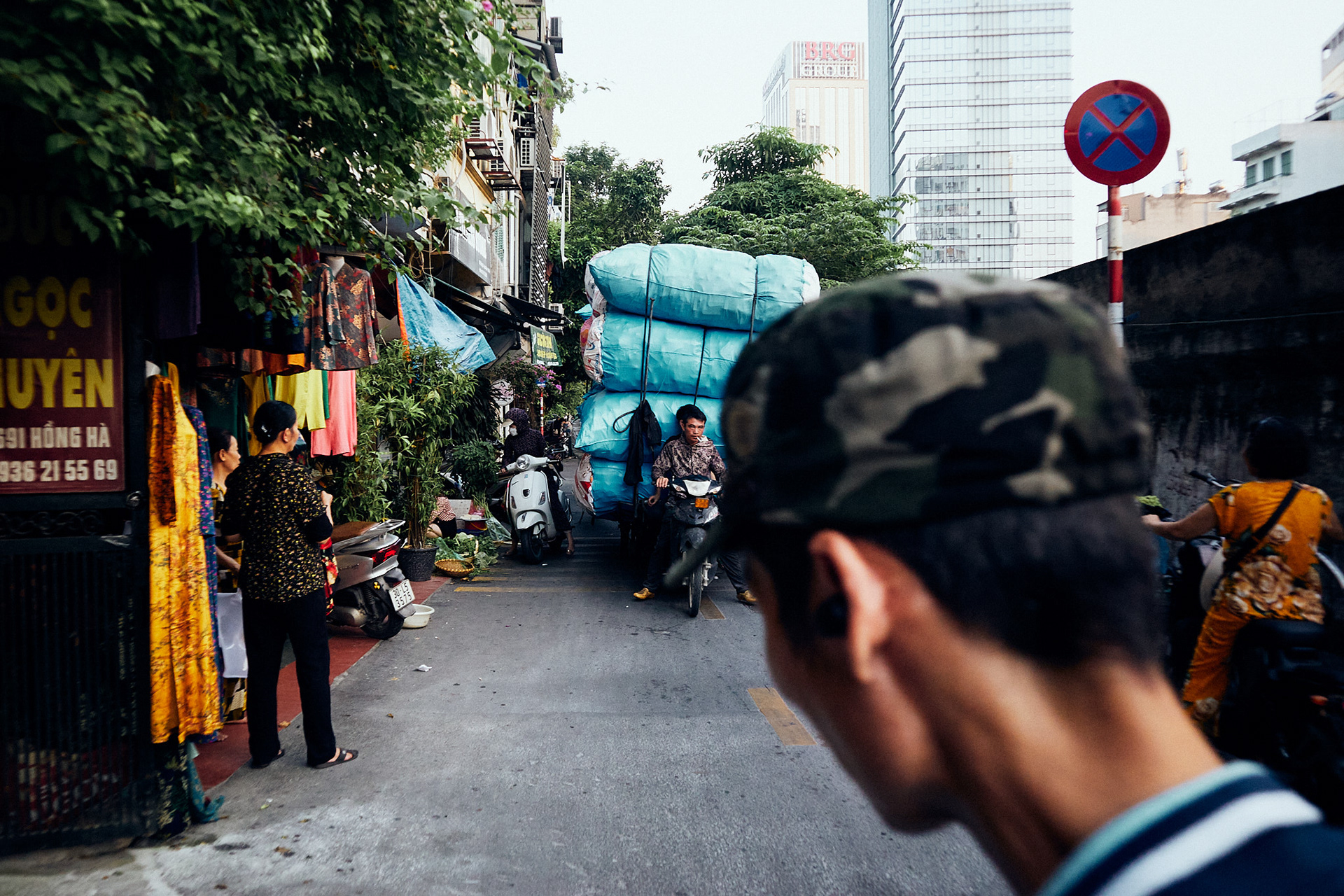
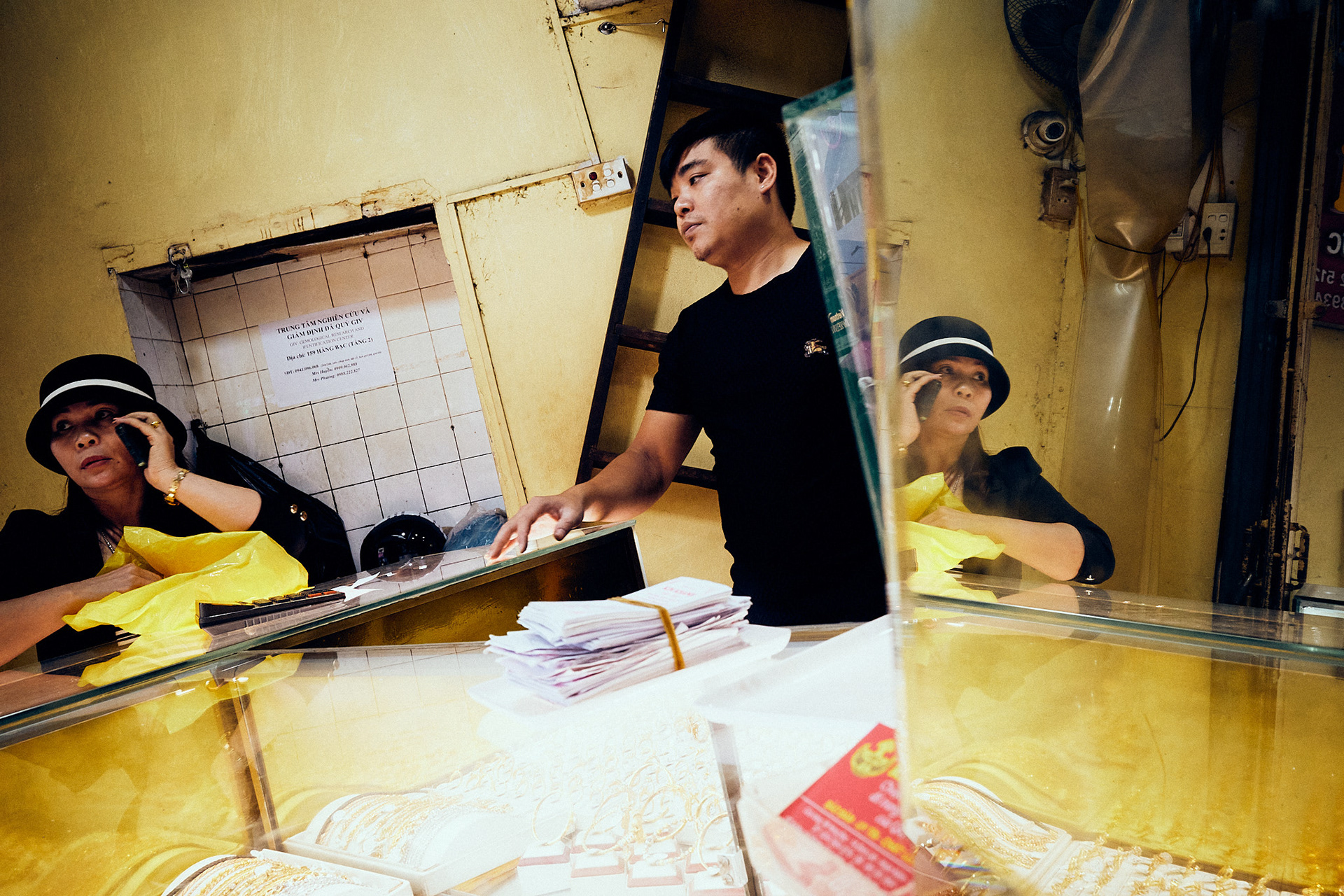
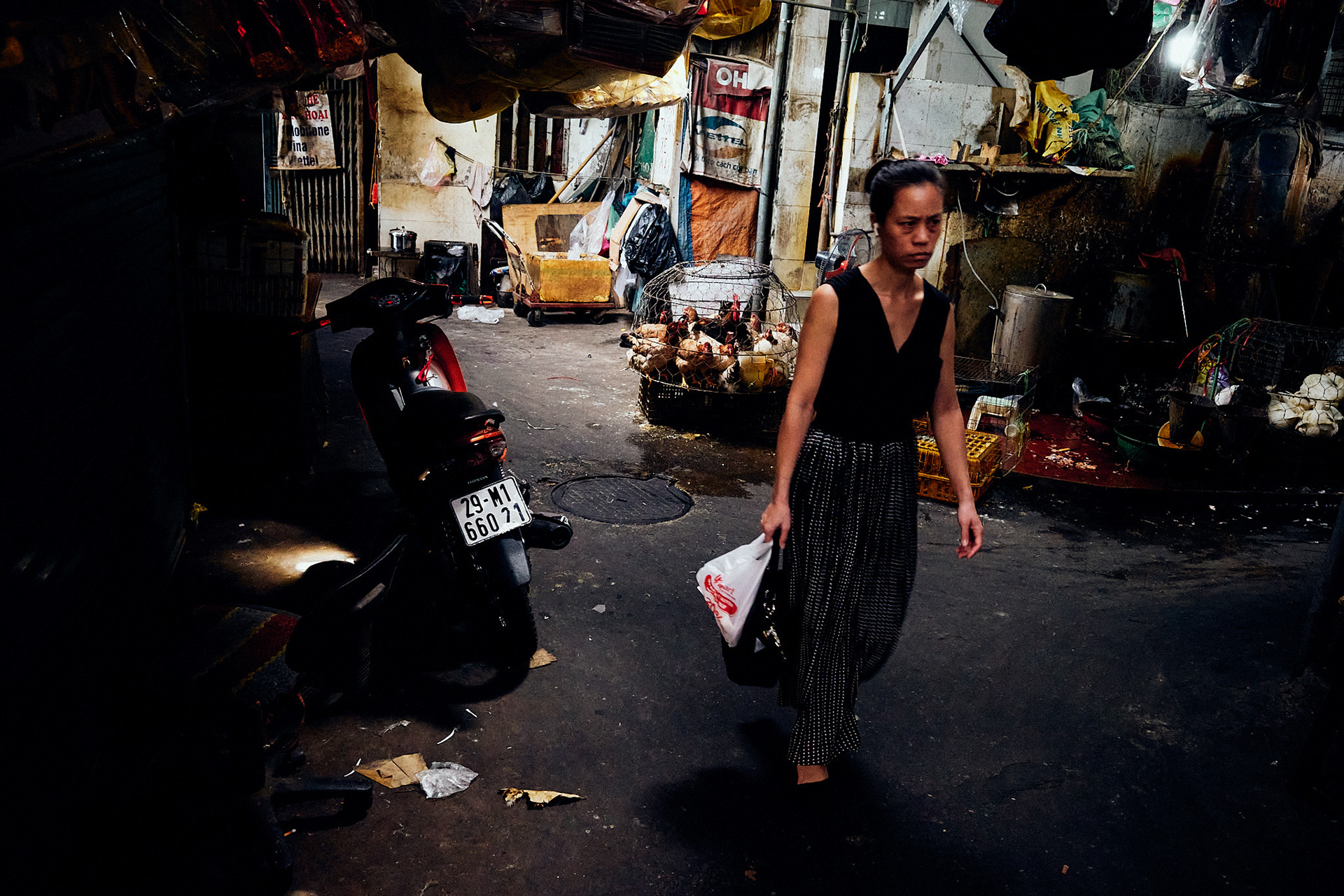
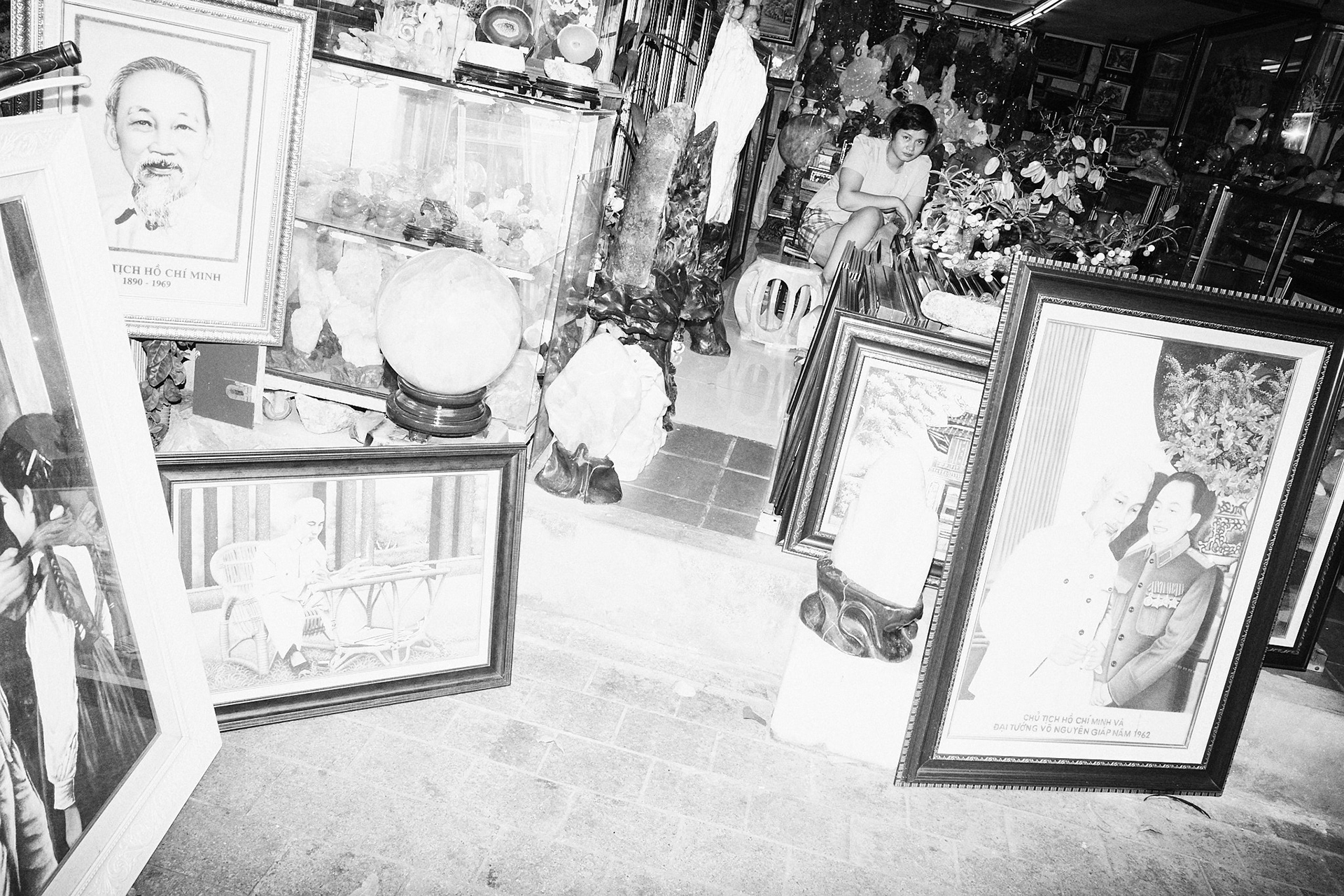
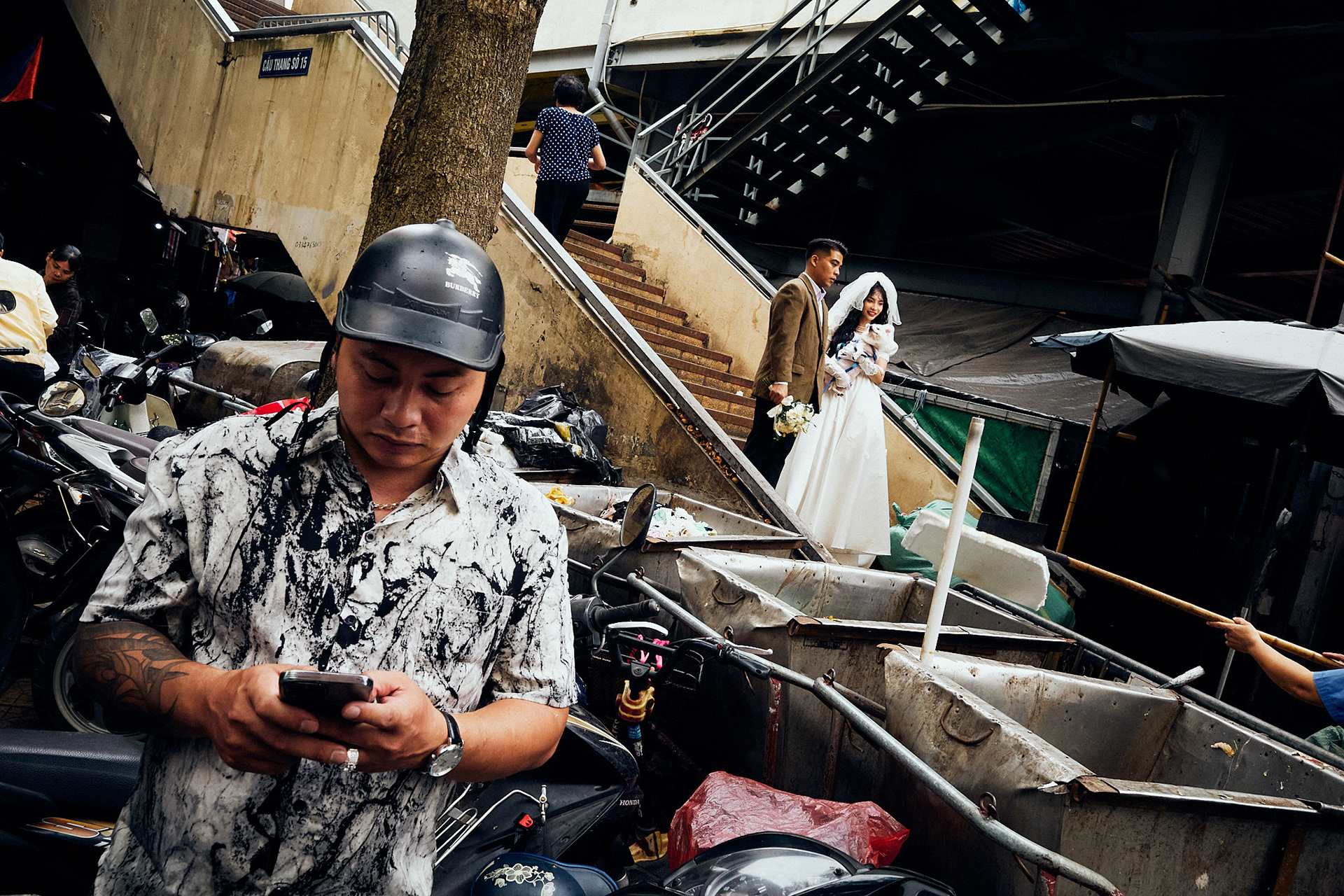
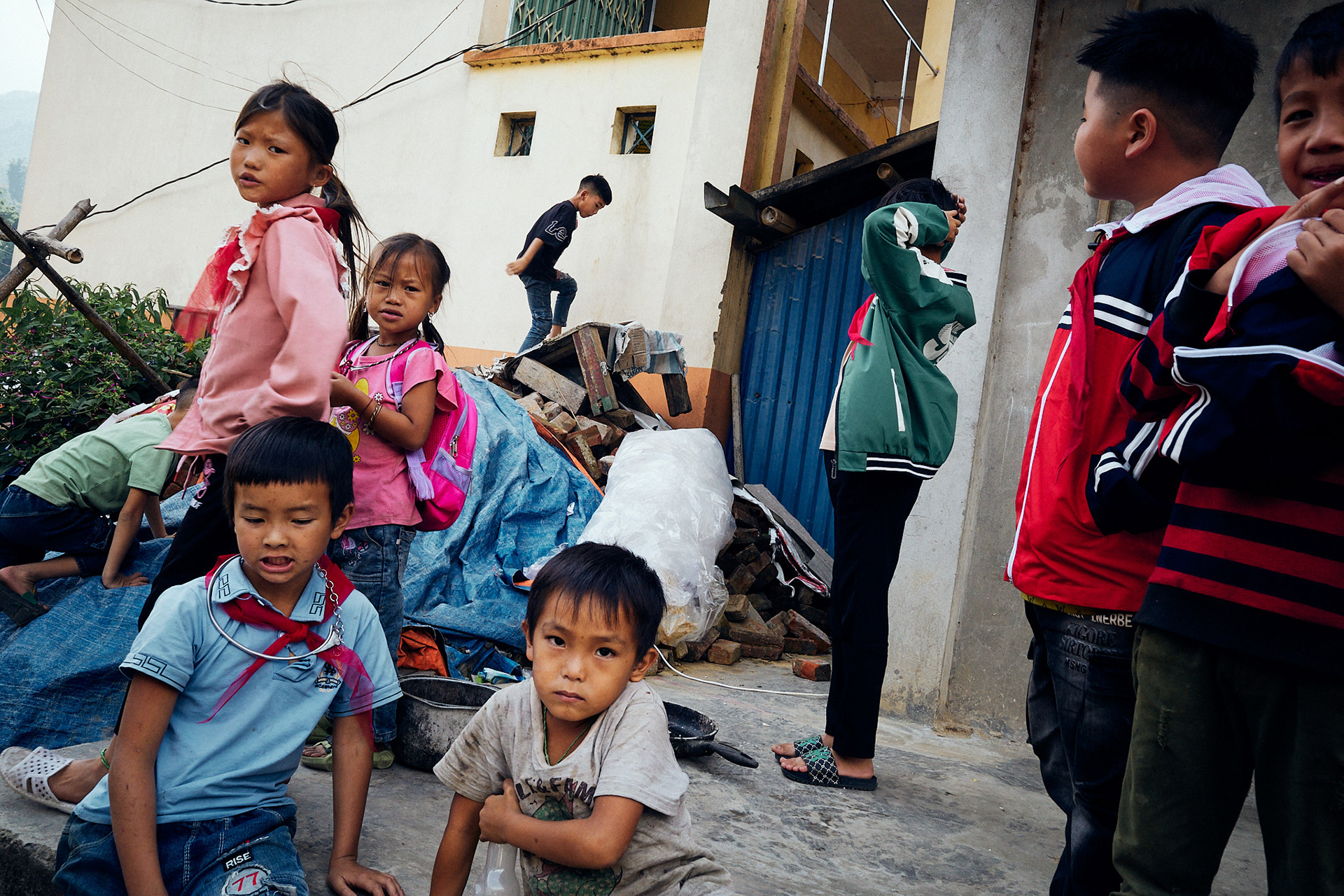
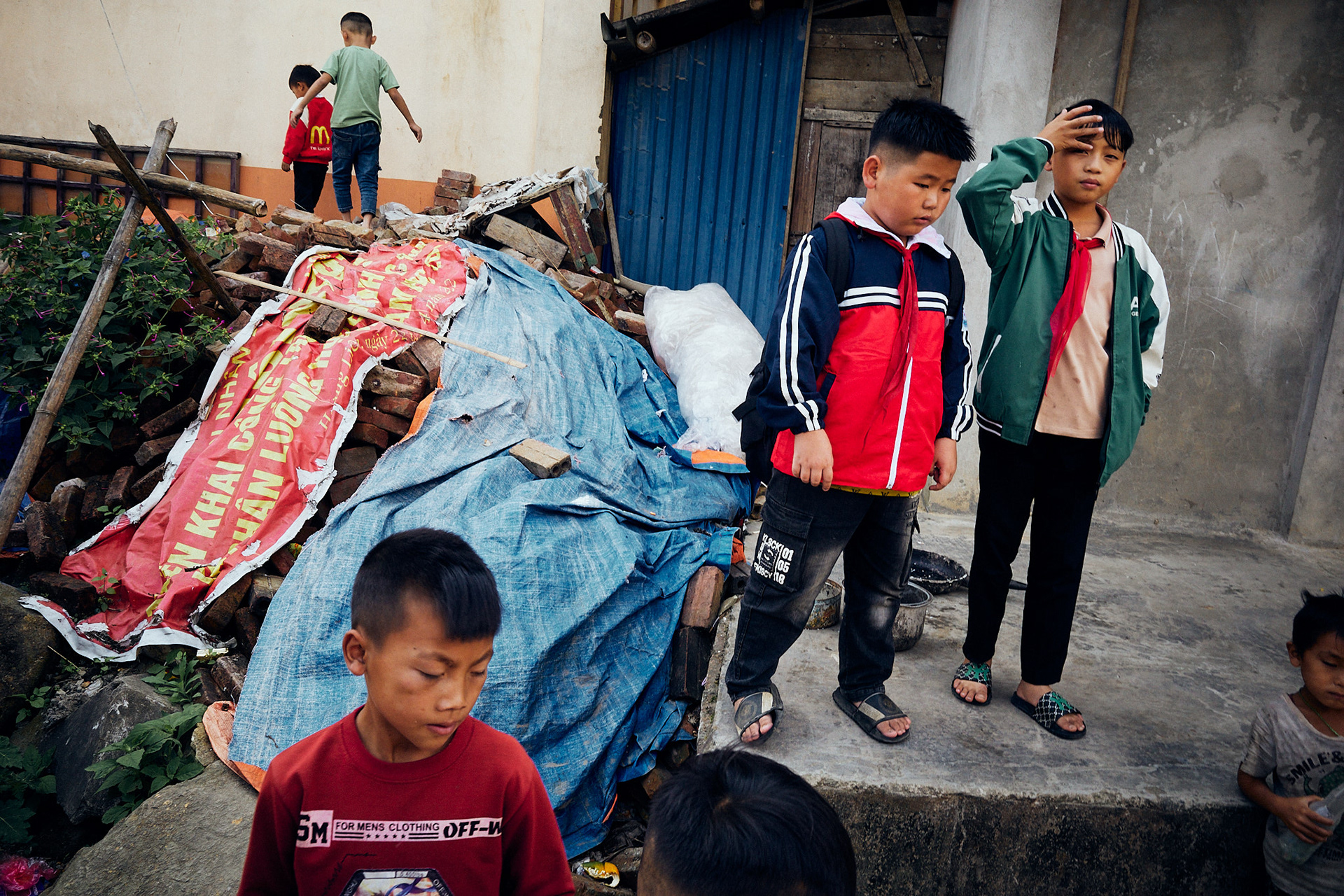
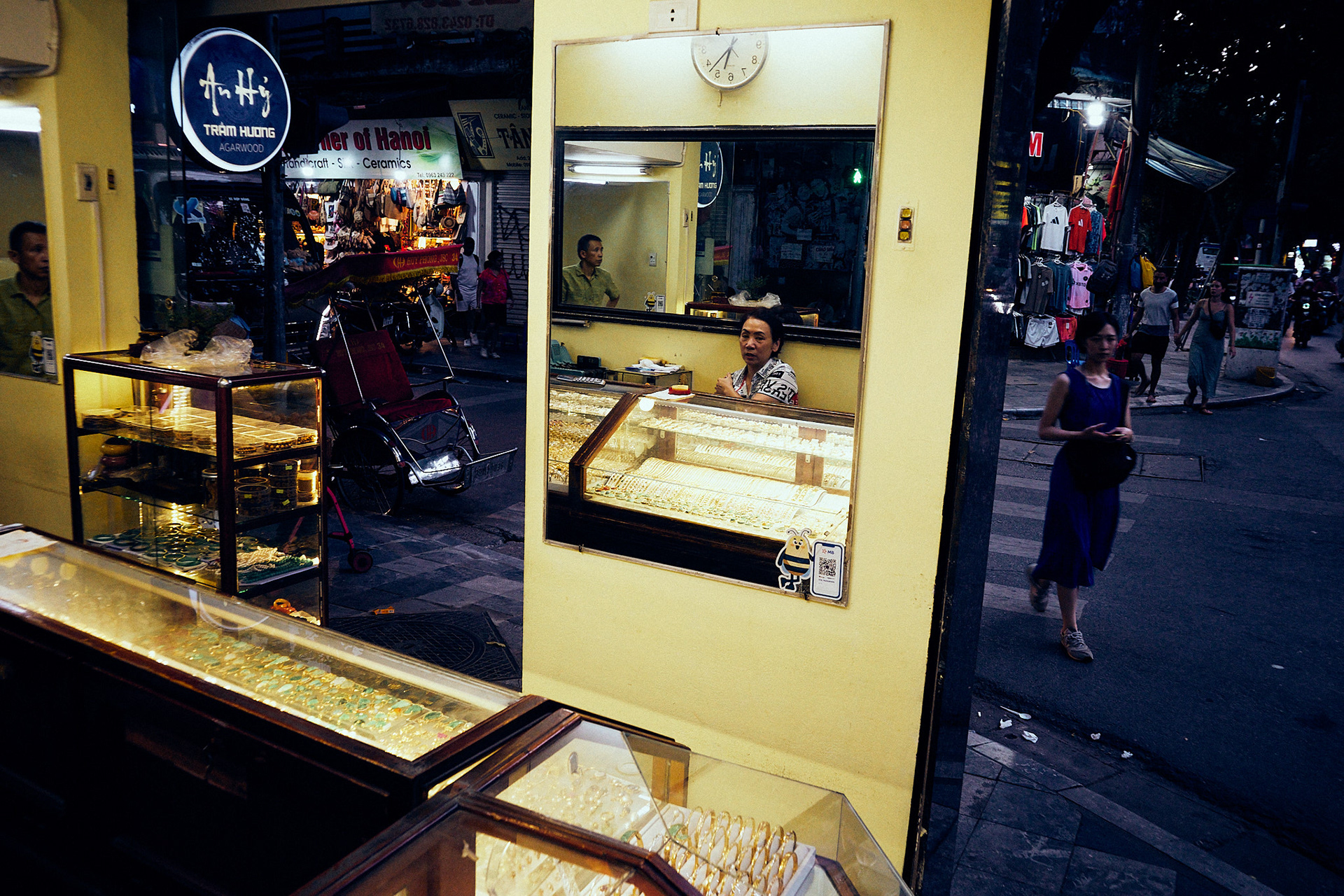
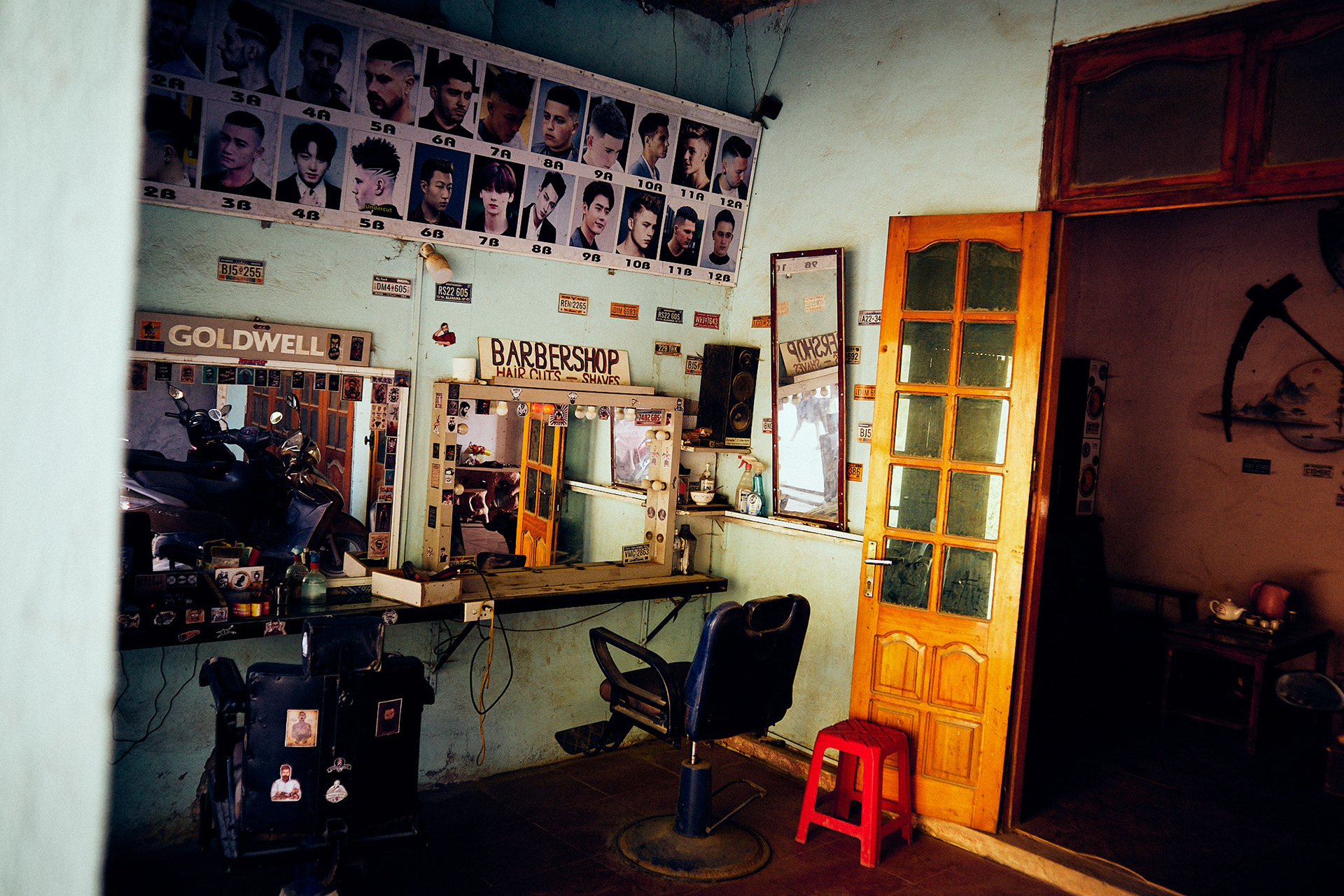
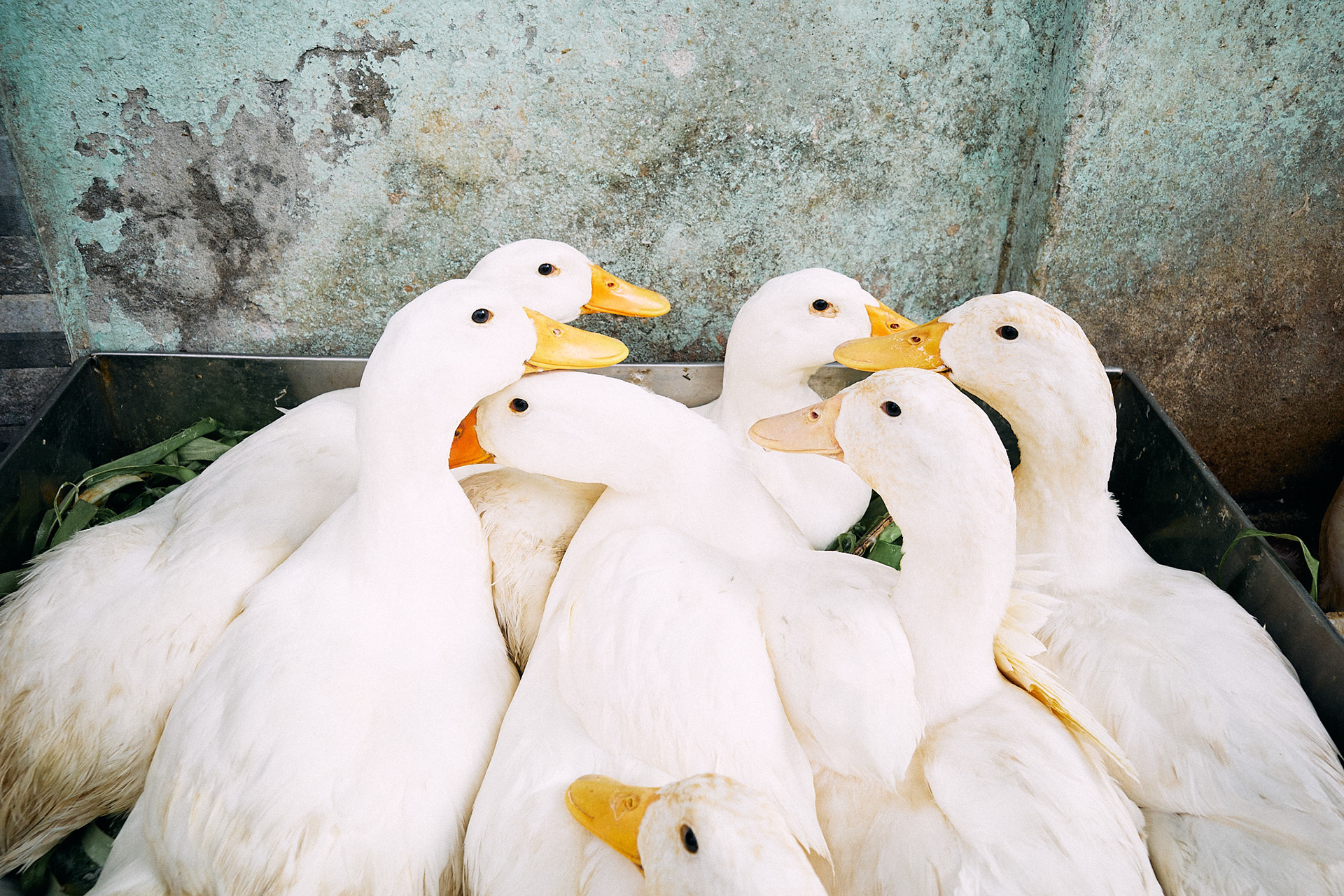
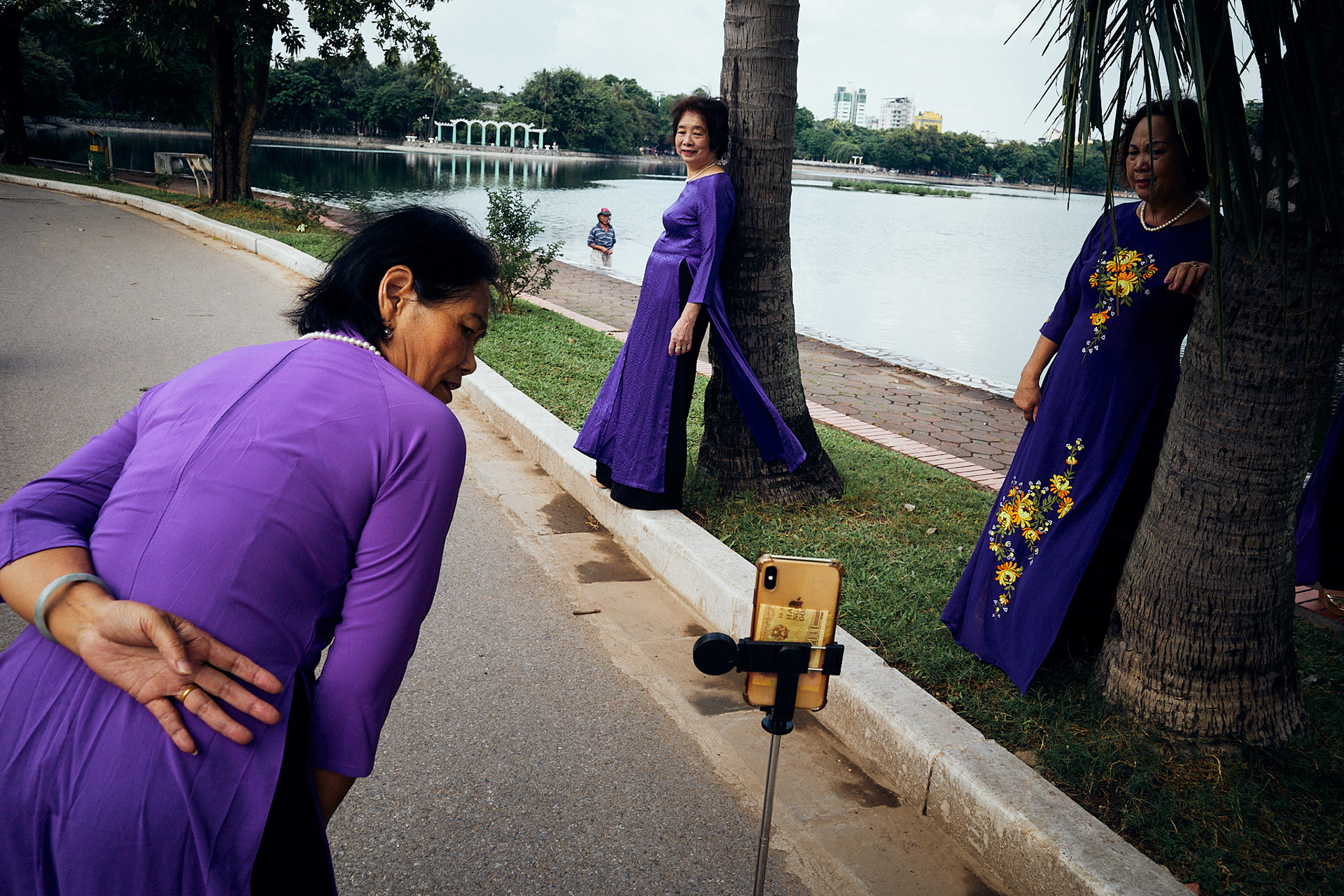
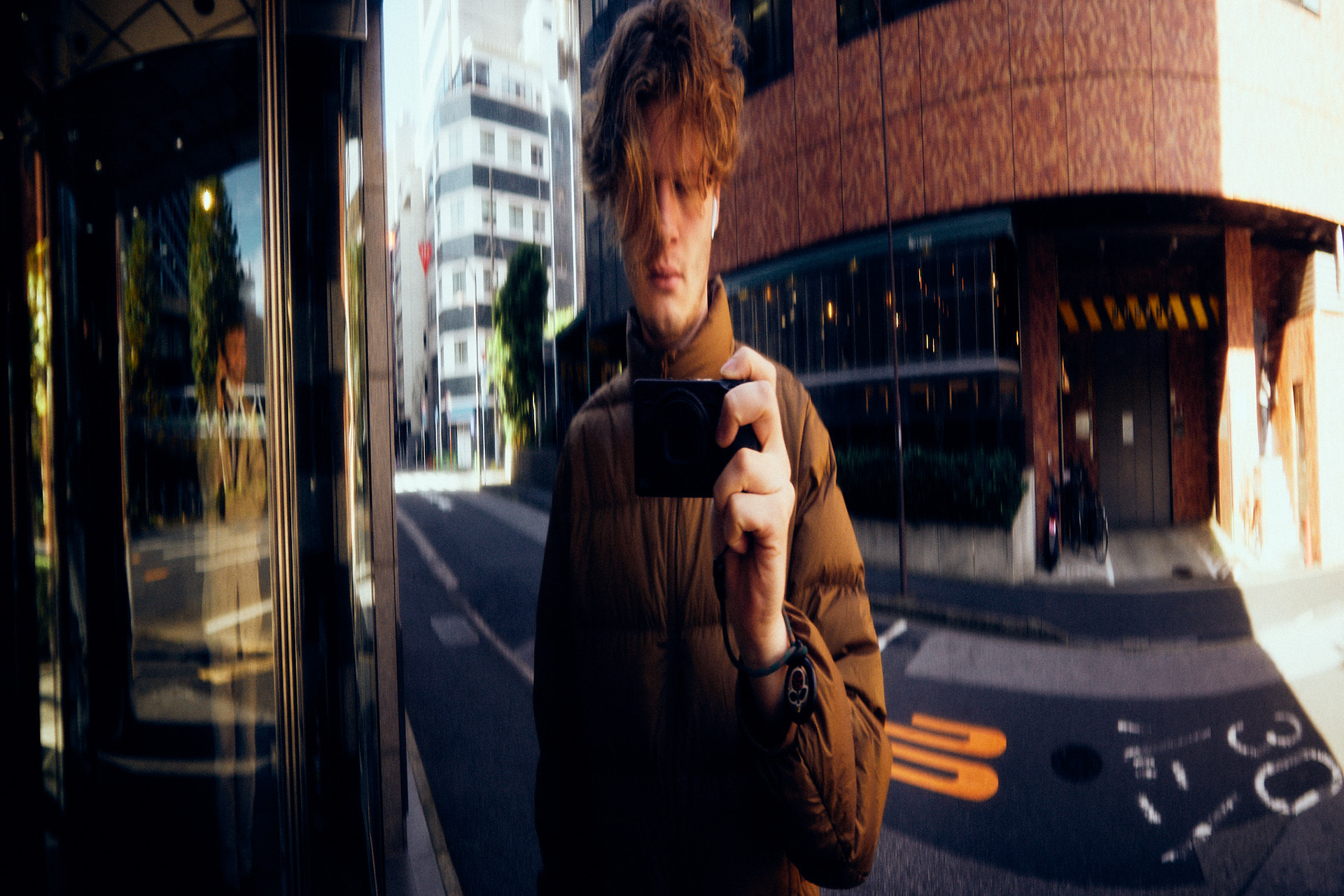
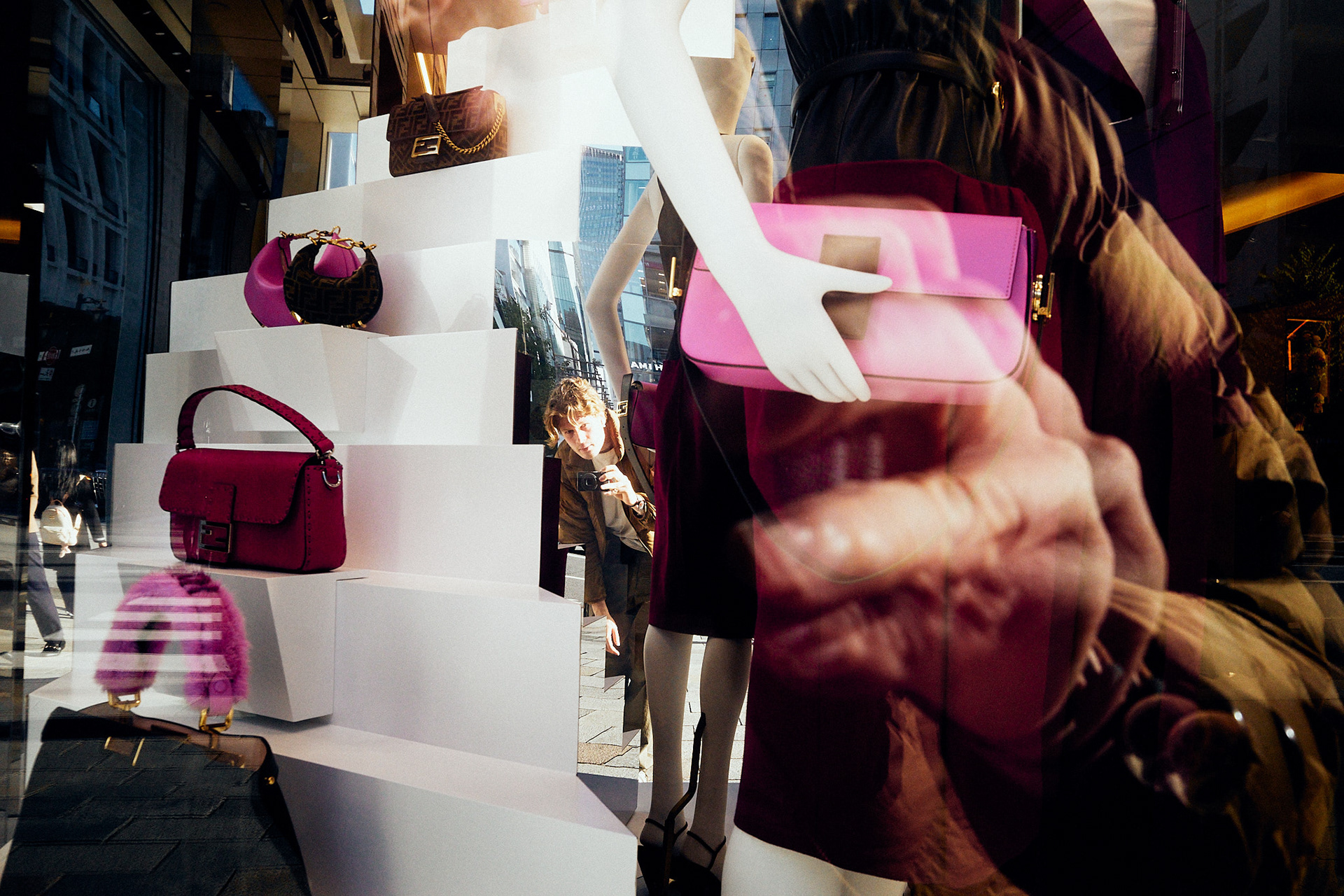
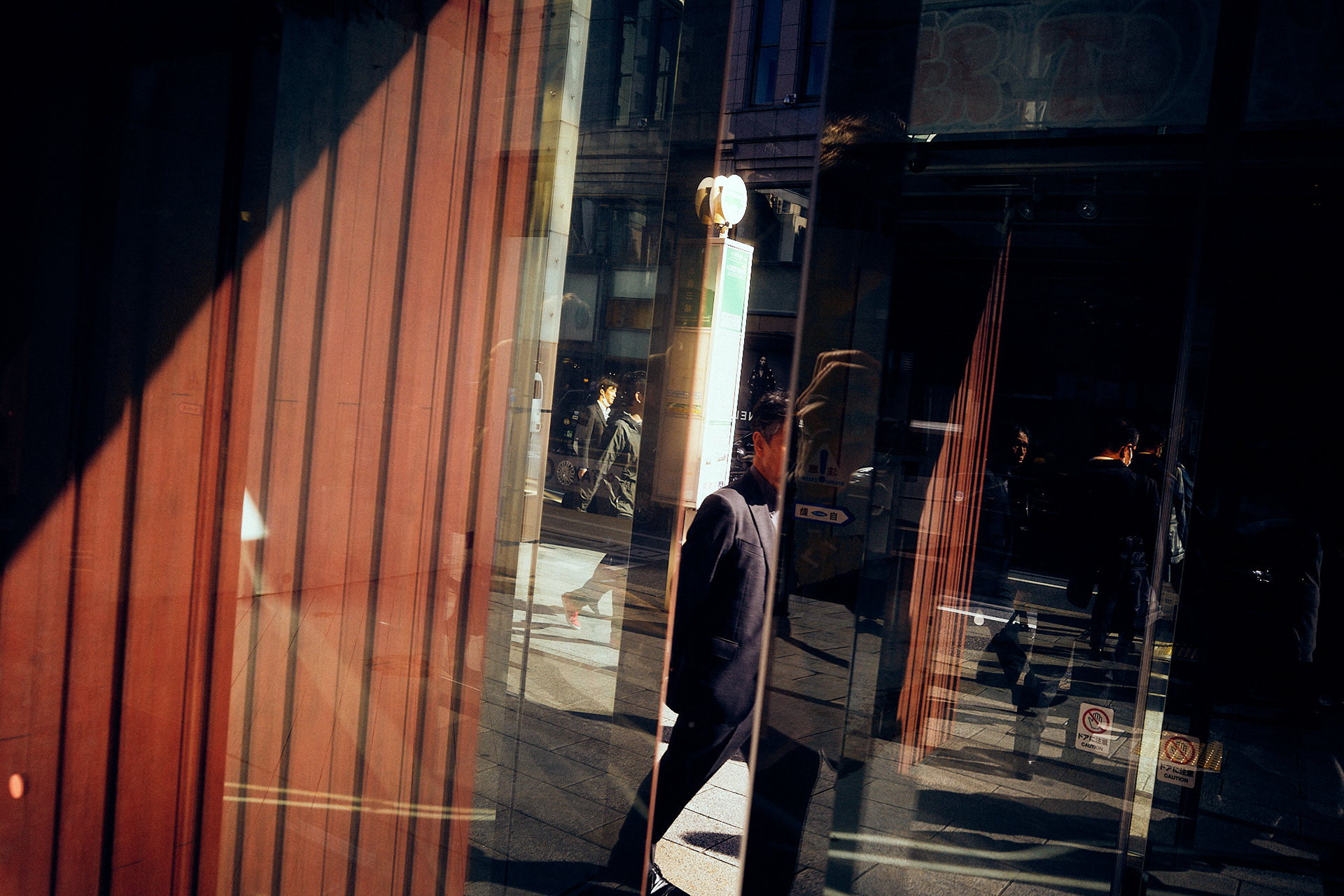
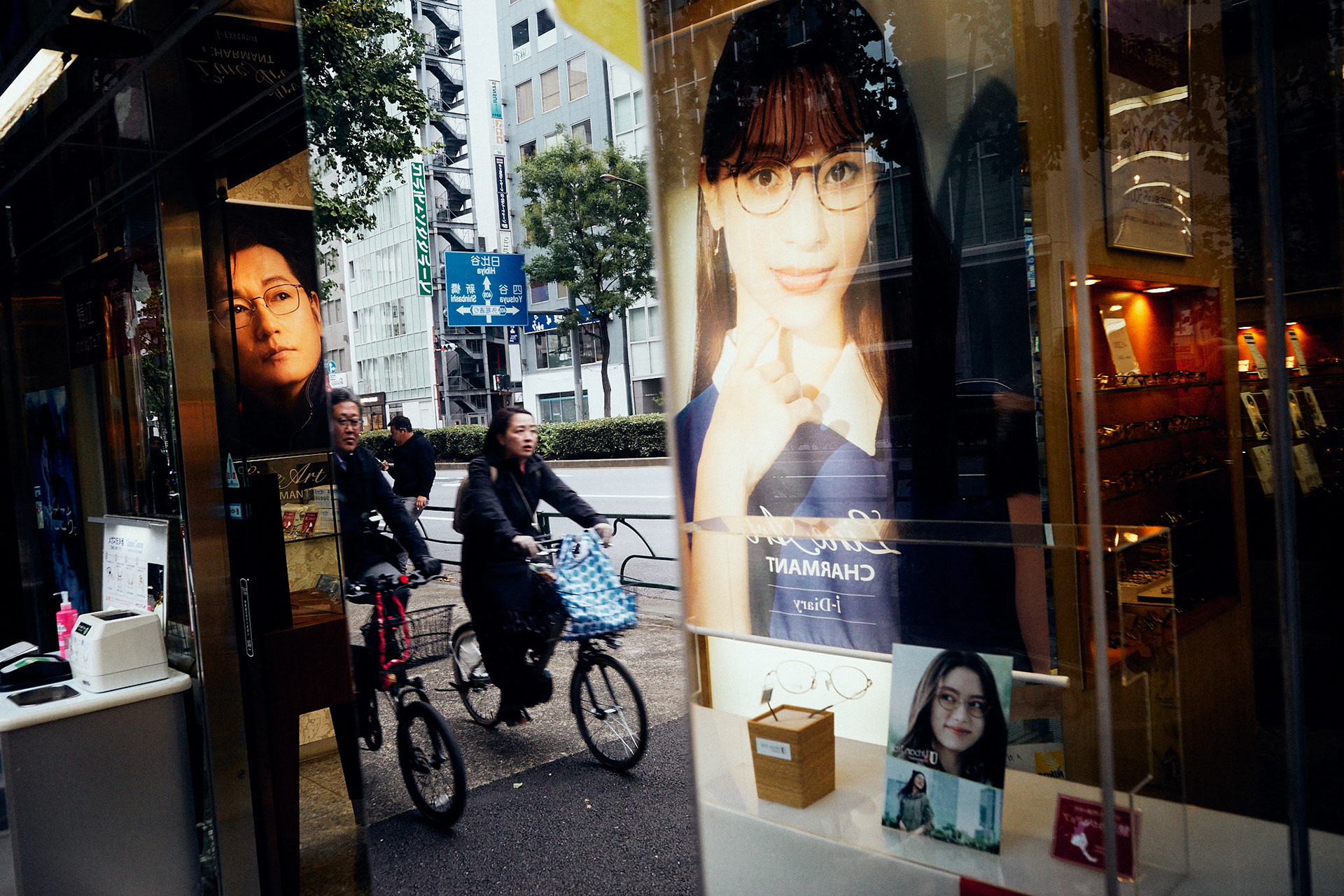
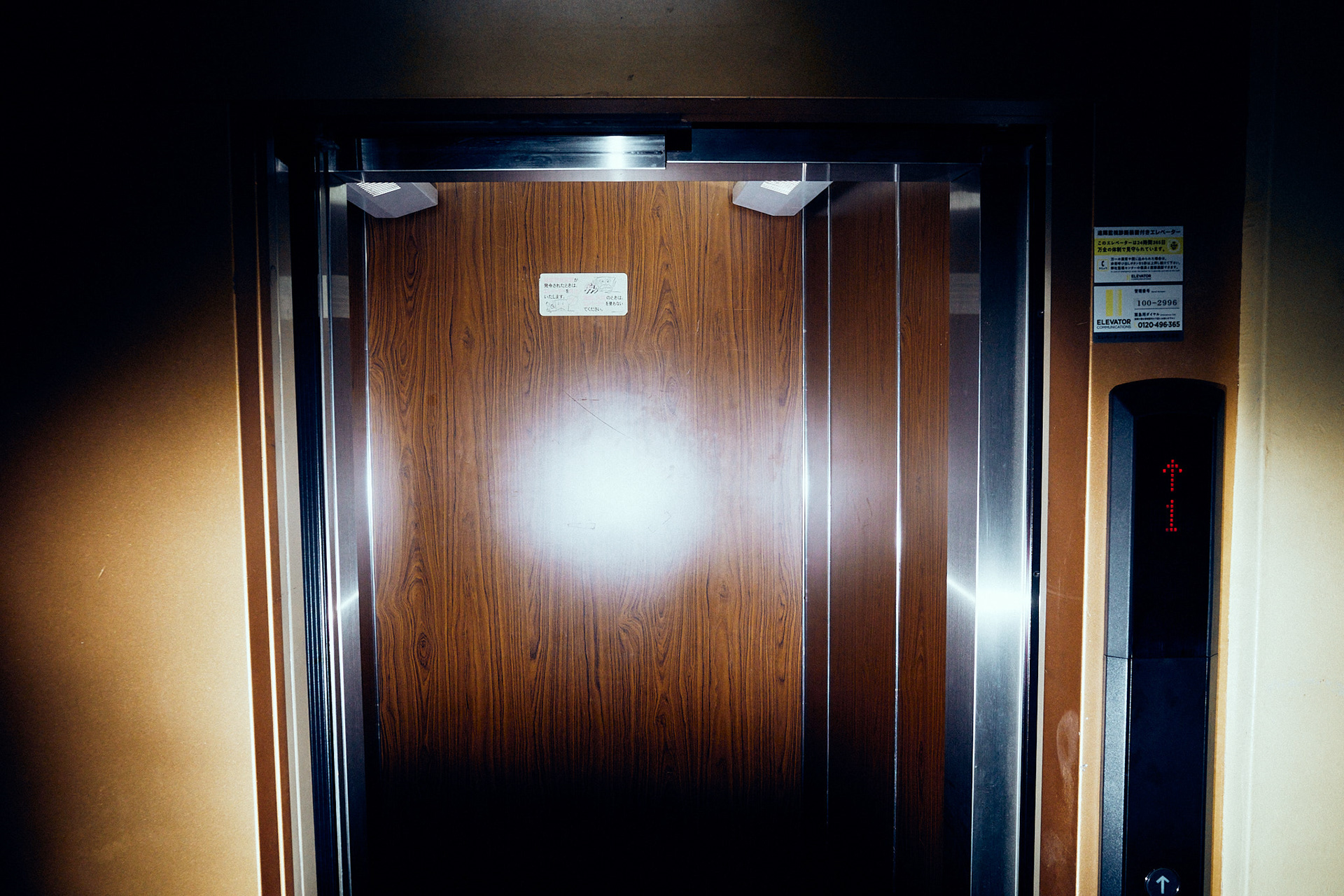
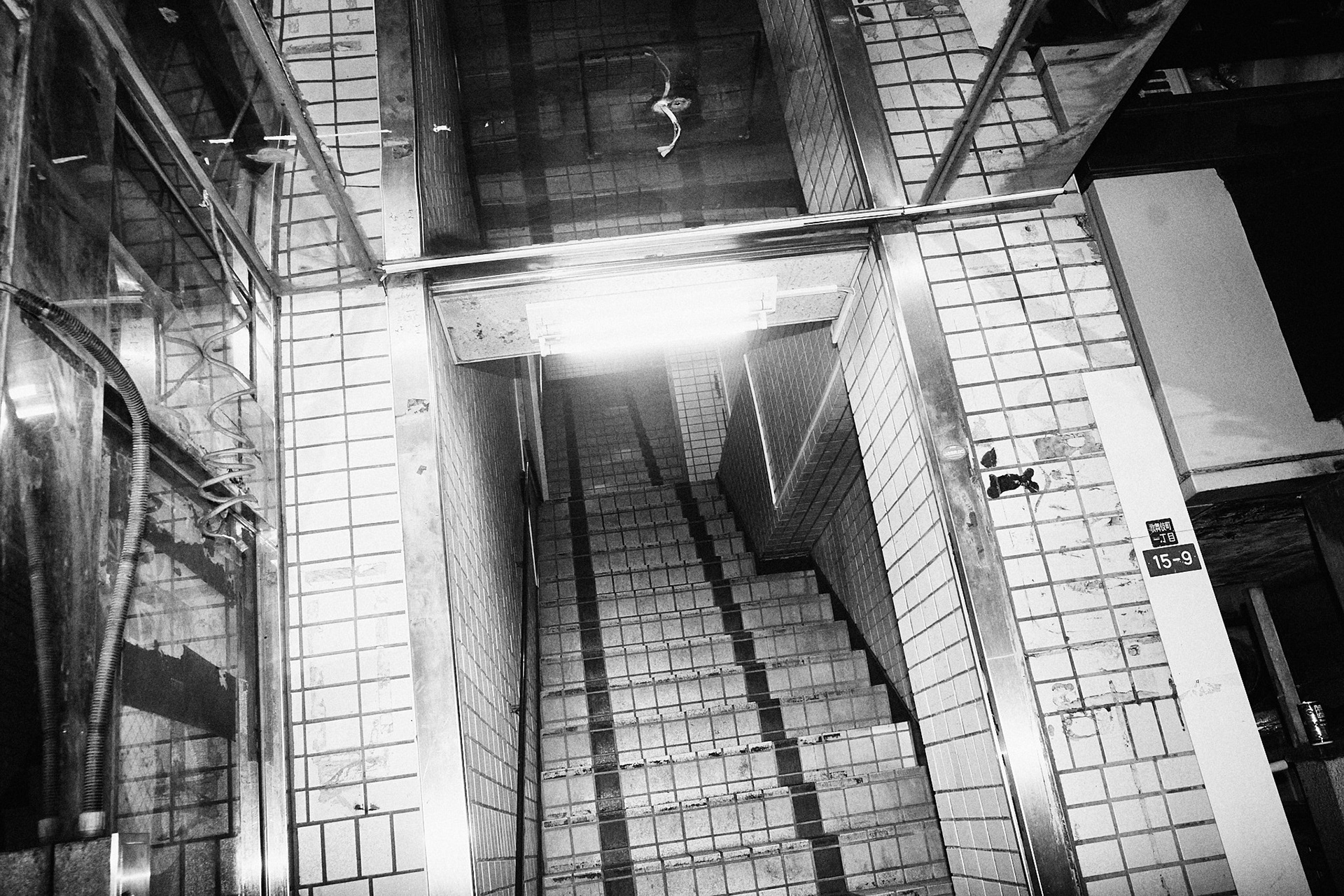
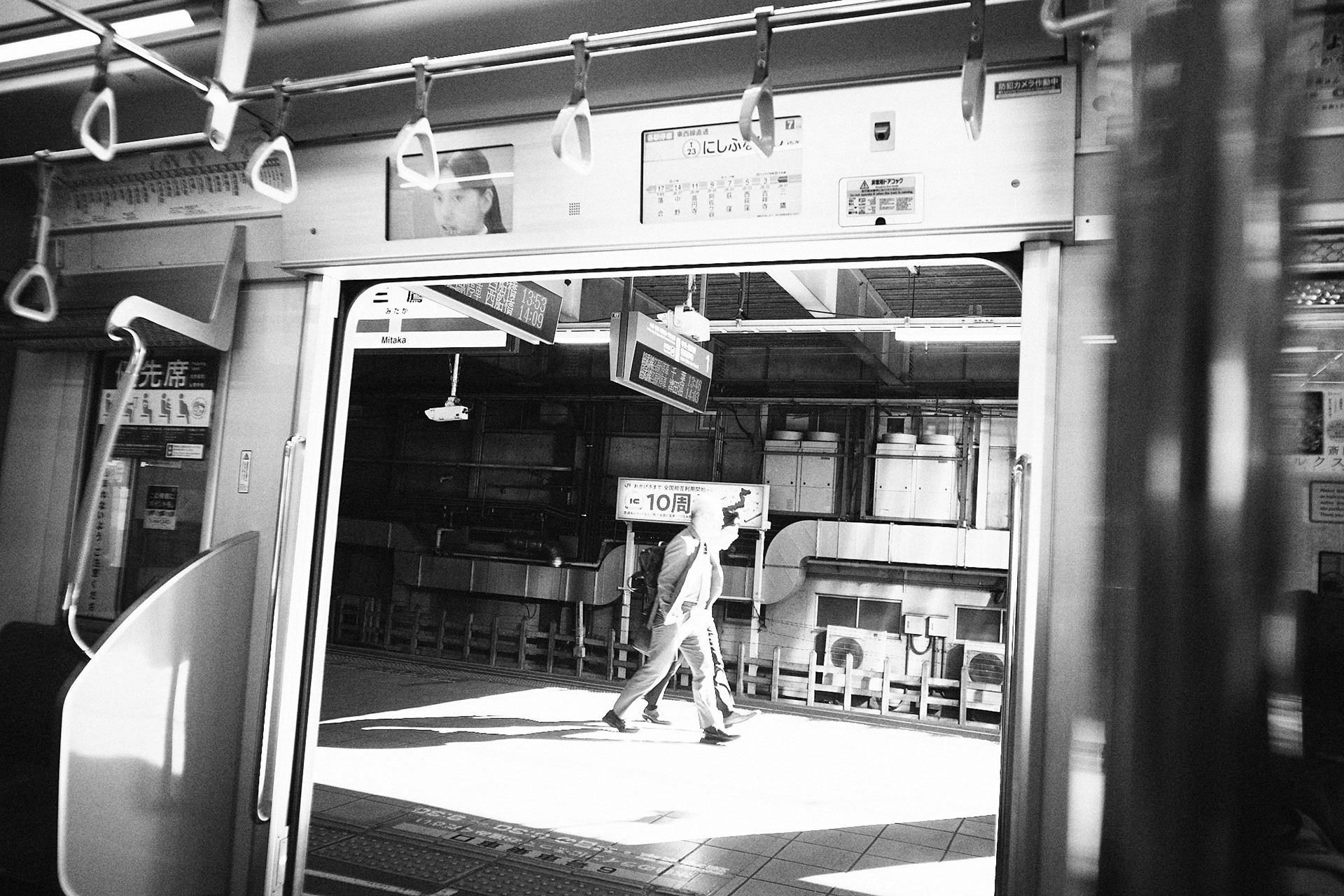
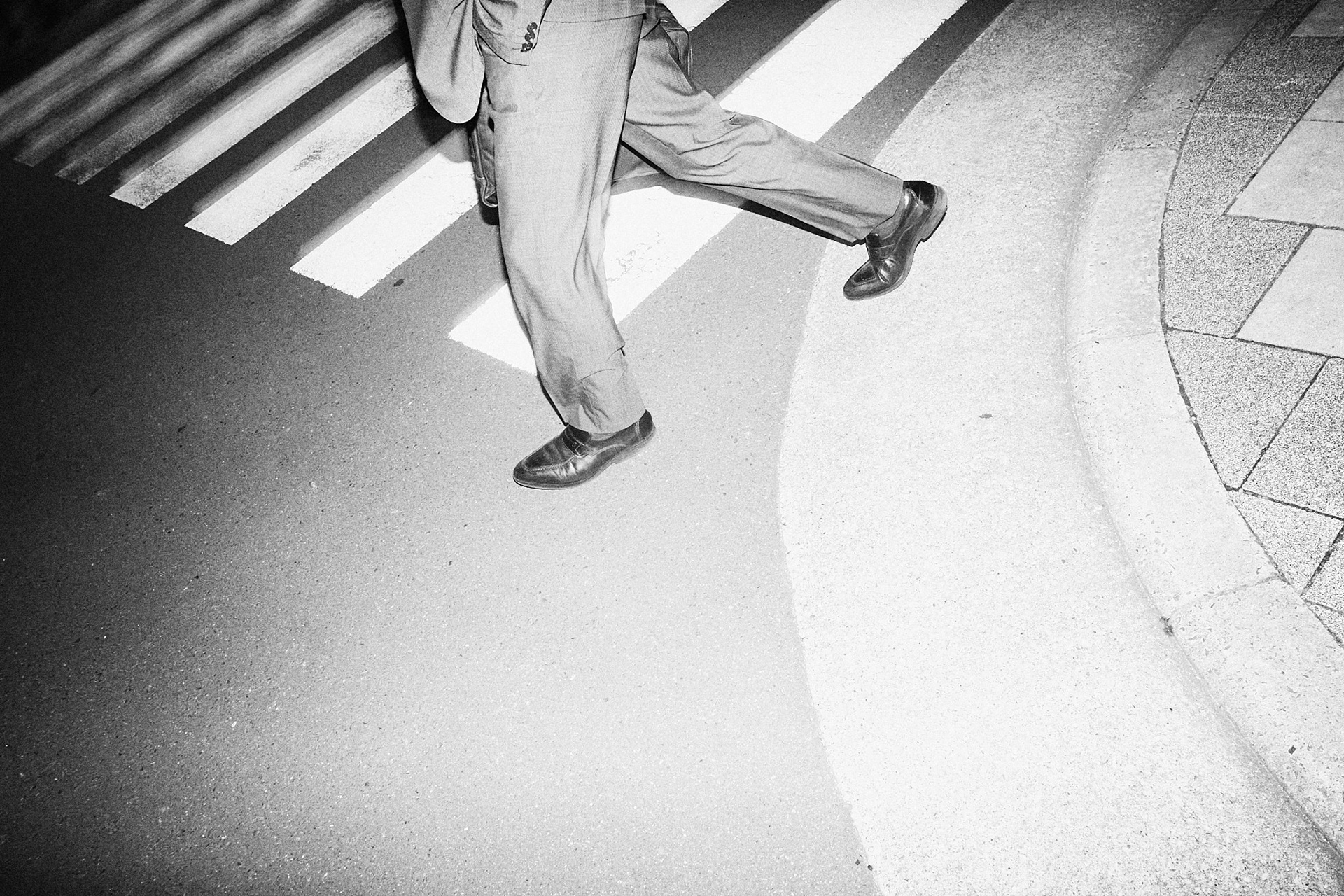
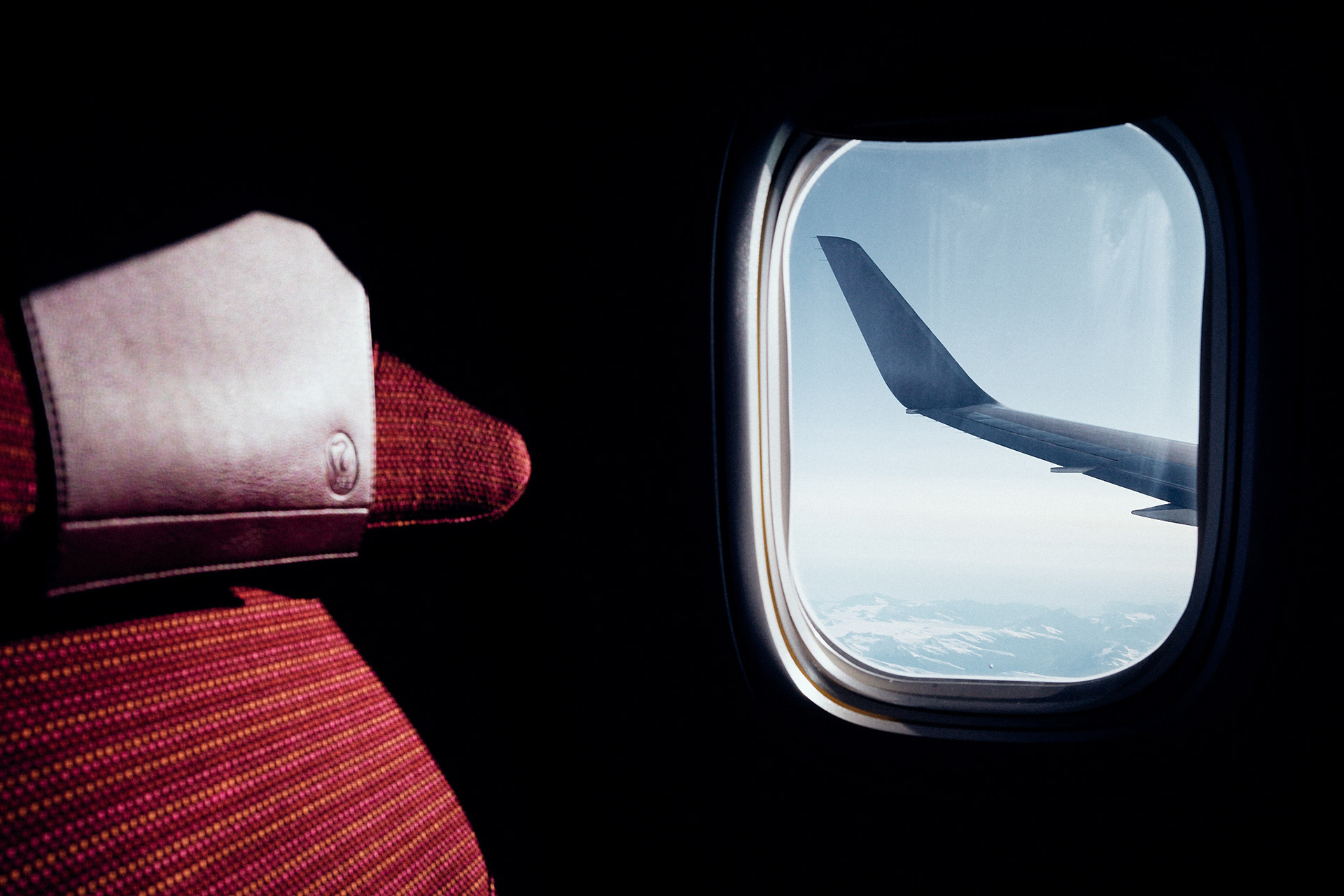
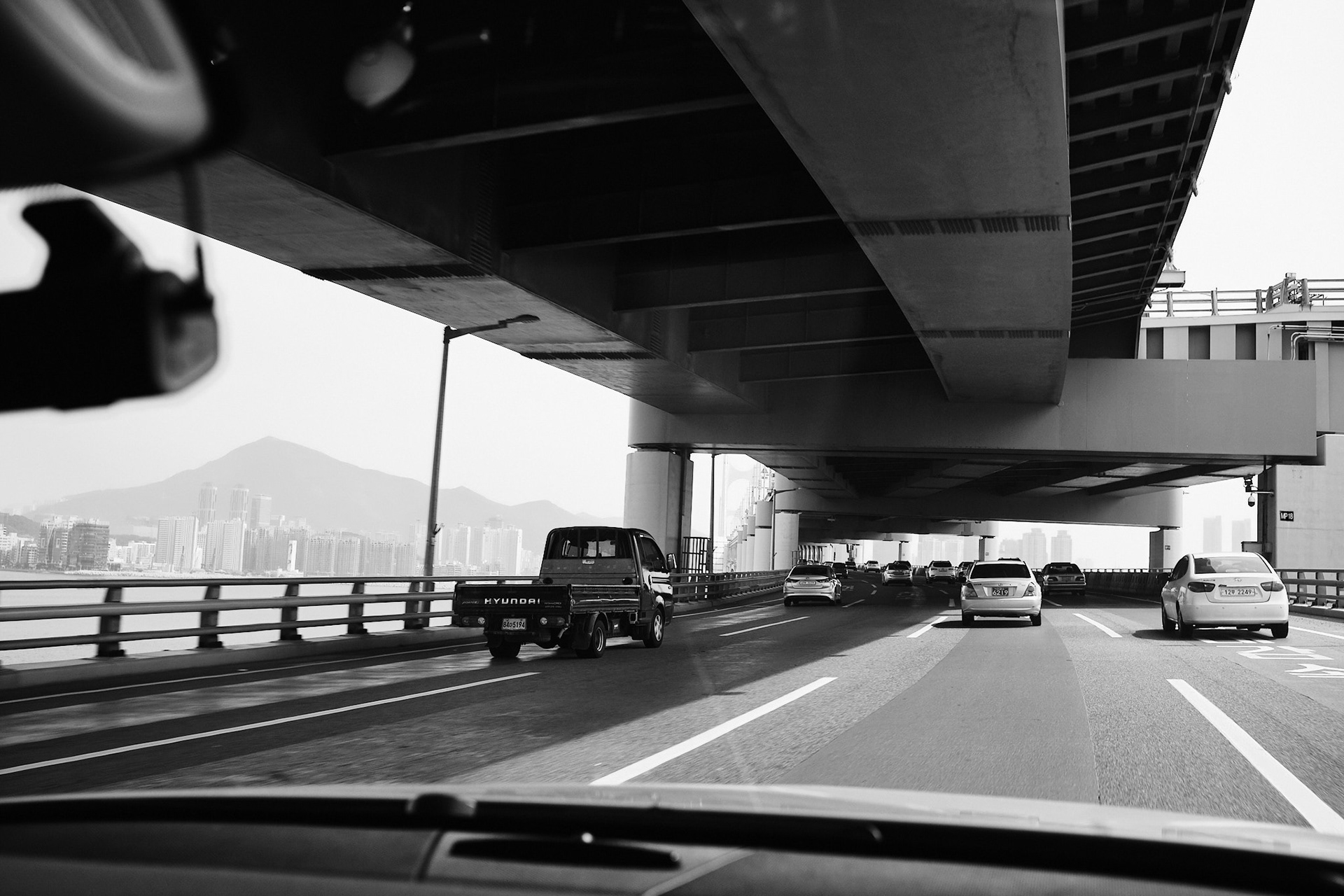
A few months after my nineteenth birthday, I flew to Seoul. I had a friend who went there every summer, and only a month or so before deciding to go, I started dating a woman who would also be going to Korea to visit her family in Busan. It was my first trip alone. I went knowing little of the city other than that it was a pop culture hub in Asia with a developing fashion scene. That, and the fact that I was in the midst of developing my first romantic relationship, was enough for me to go, staying in the country for a month and meeting both my friend and my then-girlfriend.
Spending most of my time alone, and having never travelled alone before, I had booked the trip without much planning. I found myself wandering the streets, my boredom and loneliness soothed by a burgundy, gold-accented Olympus Stylus Epic. On that trip, I remember sitting down at a café. It was busy, so I shared a table with a woman. She started speaking to me and explained that she was travelling to Korea on business. She was Chinese and worked as an interpreter, often travelling to Korea with Chinese clients who did business in the country. She invited me to go to a restaurant with her, and so I followed. We ended up talking for some time at that restaurant, a typical Korean place where we ate a bland bone-broth stew she had recommended. I don’t remember what we spoke about, but I remember a sense of sadness she seemed to carry. Perhaps, as someone constantly travelling between two countries for work, the transient nature of her daily existence had started to bother her. She paid for our bill, and I never saw her again. I never took her photo; my instincts were not yet developed enough to recognize how beautifully fleeting the moment was. Looking back on the experience, I wonder if my memory would have matched the image if I had taken a picture.
Returning to Canada as a photography student with ambitions in the fashion industry, I couldn’t push away that experience—how it felt to be somewhere so different from my upbringing, to be anonymous, and to experience such solitude and discovery with a camera. No model test shoot or school assignment had come close to the poetic, almost melancholic experience of wandering and photographing Seoul. It is a feeling I chased the following year with more photographic intent. I bought a used Fuji X100F off an acquaintance—who many years later would become my best friend—and spent nearly three months in Asia.
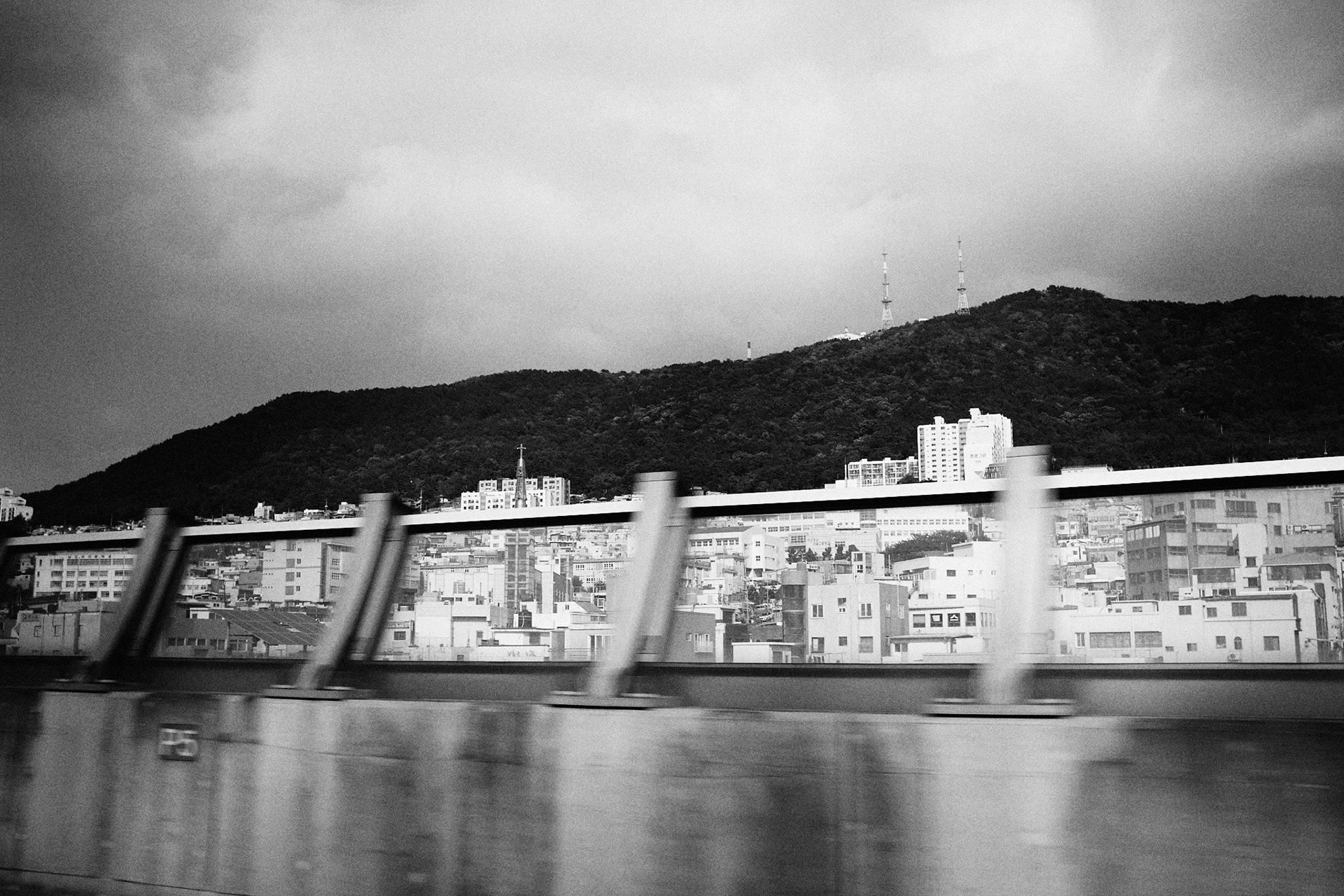
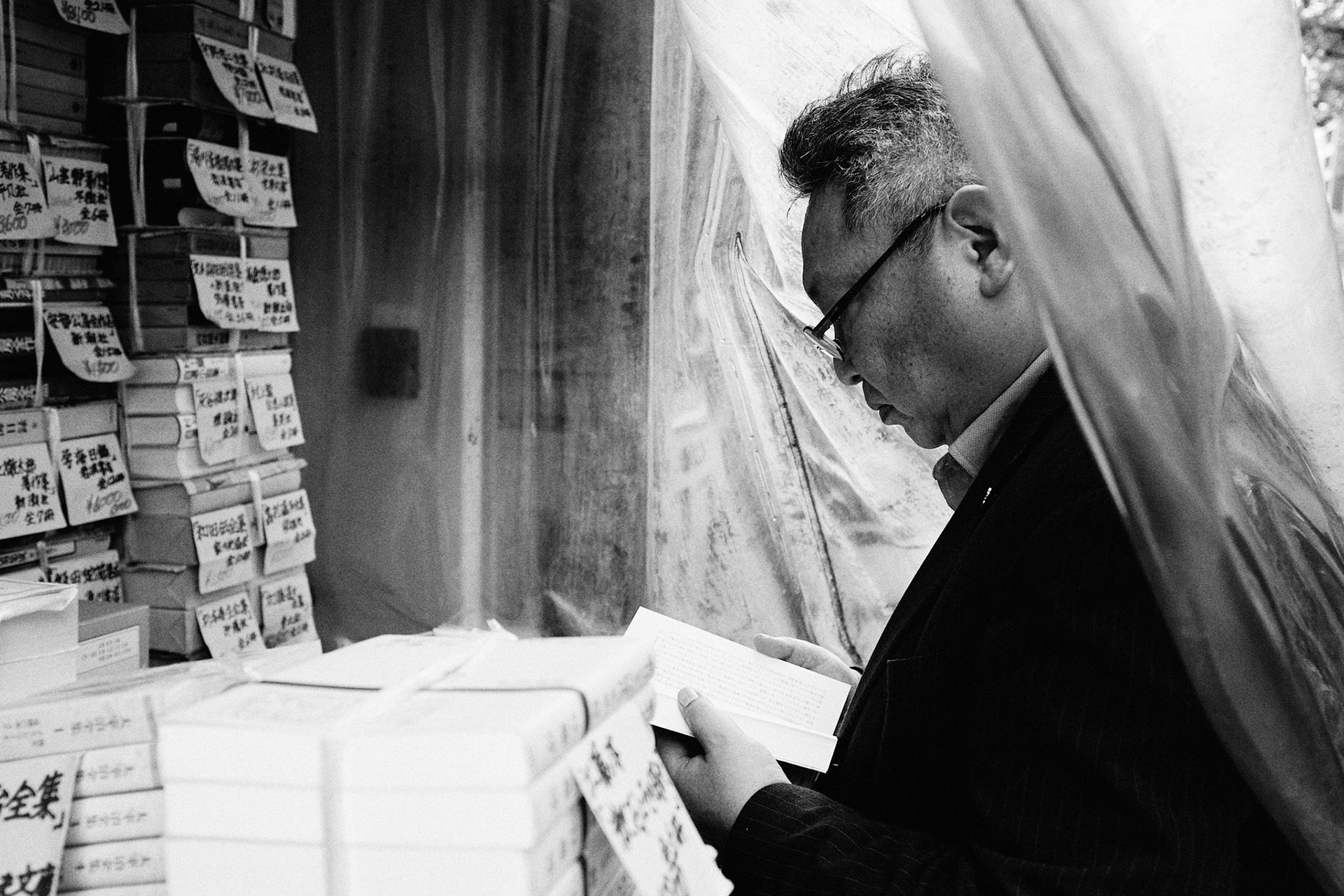
I travelled to Korea with the same woman I had started dating the year before. This time I spent time with her and her family in Busan and on Jeju Island, before going to Japan alone, where I made my first contact with the Japanese photography scene, which would have a great impact on me. I discovered independent galleries scattered around Shinjuku, like 3rd District Gallery, Red Photo Gallery, and Place M. I also became much more aware of the work of Daido Moriyama and the autobiographical work of Nobuyoshi Araki, all of which deepened my interest in self-reportage, though it would take a few more years until I fully embraced the practice—still adhering to a "decisive moment" mentality that left me blind to the intimate, fleeting moments like the one at that restaurant in Seoul.
Writing this many years removed from those experiences, I look back at my youthful discovery fondly. I have since lived abroad, at one point becoming part of the Japanese photography scene myself, and travelled to a number of other places with many stories not unlike the woman I ate with in Seoul. With each trip, my instinct to practice self-reportage hasn’t wavered; in fact, it has sparked a belief in the practice as a catalyst in itself. Travel might have been the catalyst in my journey into self-reportage, but now those roles have reversed.
As a traveller, your time occupying a space becomes even more temporary than what is typical. In the temporal nature of your existence, you inhabit a type of fantasy, one in which your distance from all other externalities allows for a greater sense of presence in the now. A world of unfamiliarity pulls you to be more attentive, more present, out of necessity and curiosity. When those factors come together, a natural instinct is to be both participant and observer—to not fully commit to one role, but to embrace both enthusiastically. That is self-reportage. As I have come to recognize, the factors that naturally lead me to self-reportage are ever-present, making it a practice I now engage with in my daily life. Self-reportage asks you to be present and to approach the world with curiosity and vulnerability; in doing so, it shapes experience and, later, memory. If I had photographed the woman in Seoul as we ate the pale-coloured bone-broth stew, my memory would have been forever altered. What we choose to photograph, how it is sequenced, and what we cull away—forever to be forgotten—is an act of control, and the active creation of that material, later to be edited, is an act of disciplined consciousness. For me, it is an act done out of obsession and, as my body of work grows, a resource for understanding.
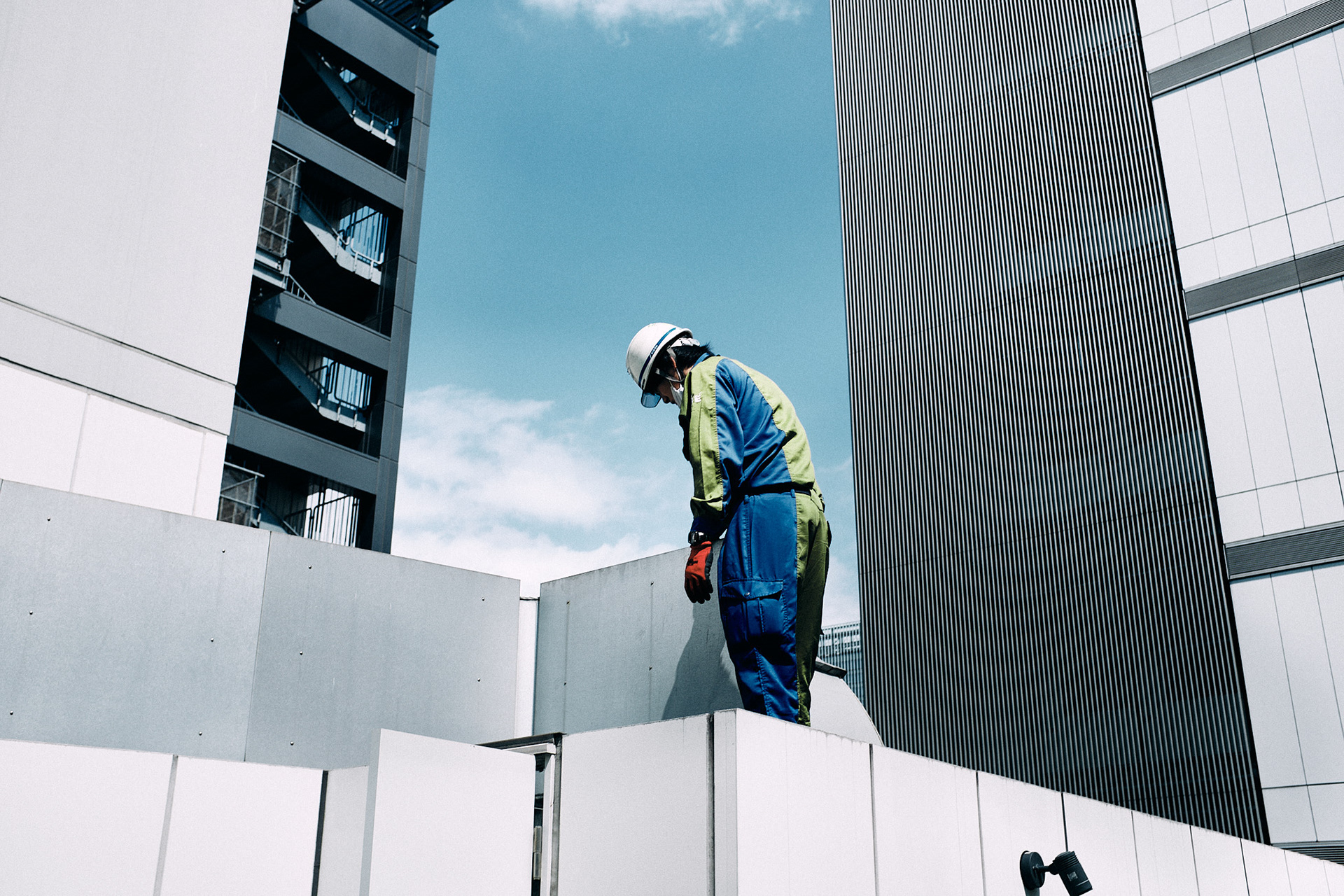
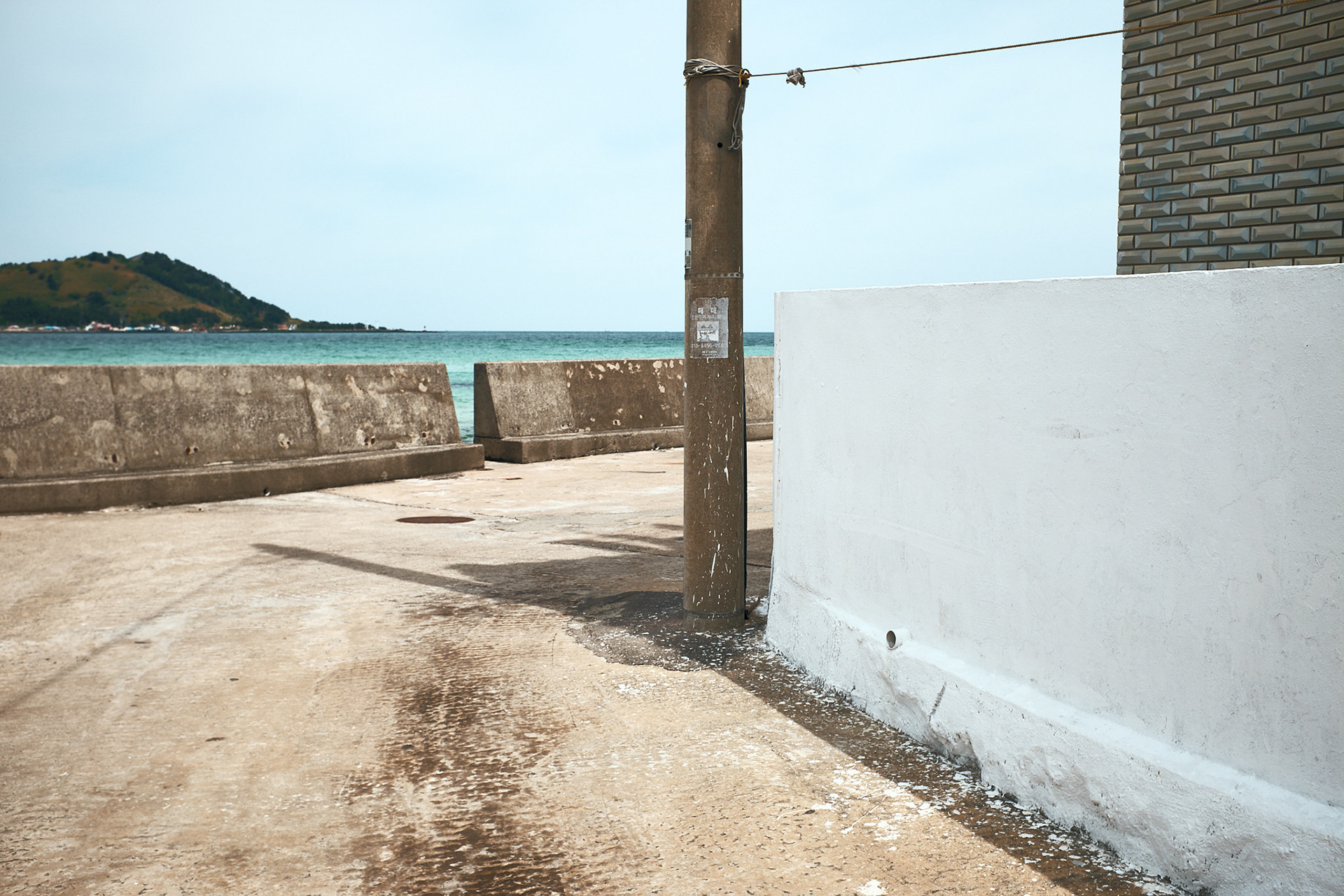
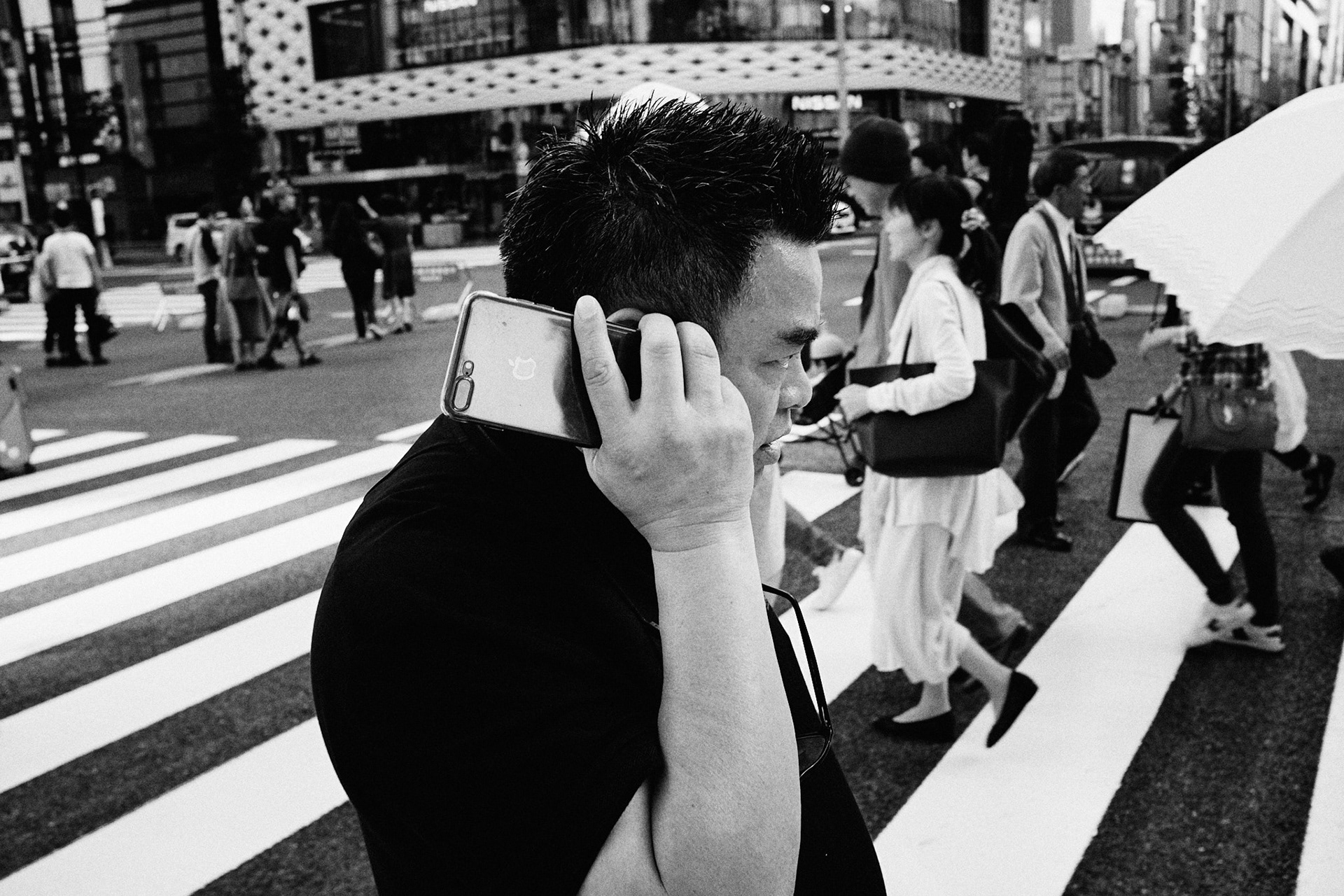
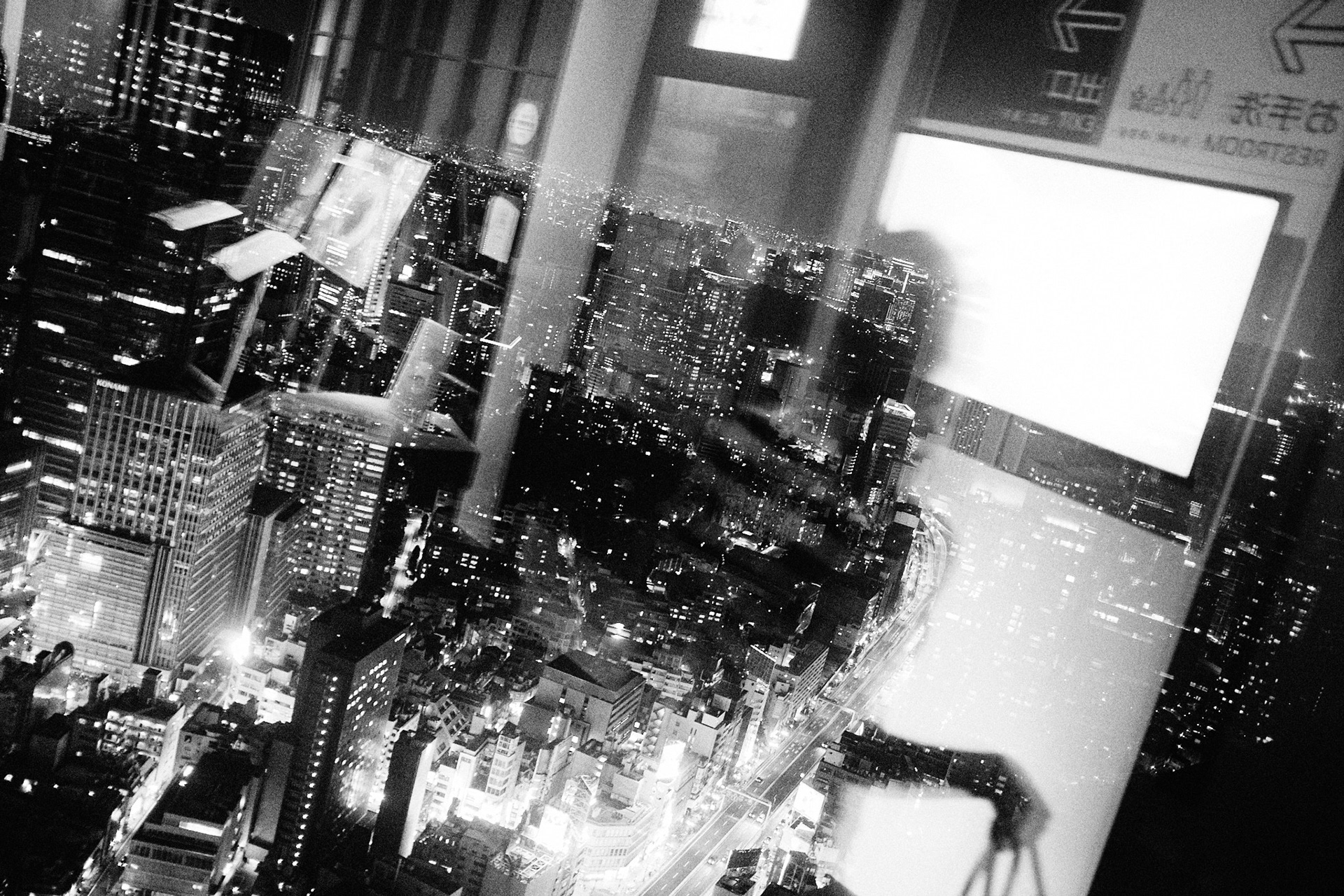
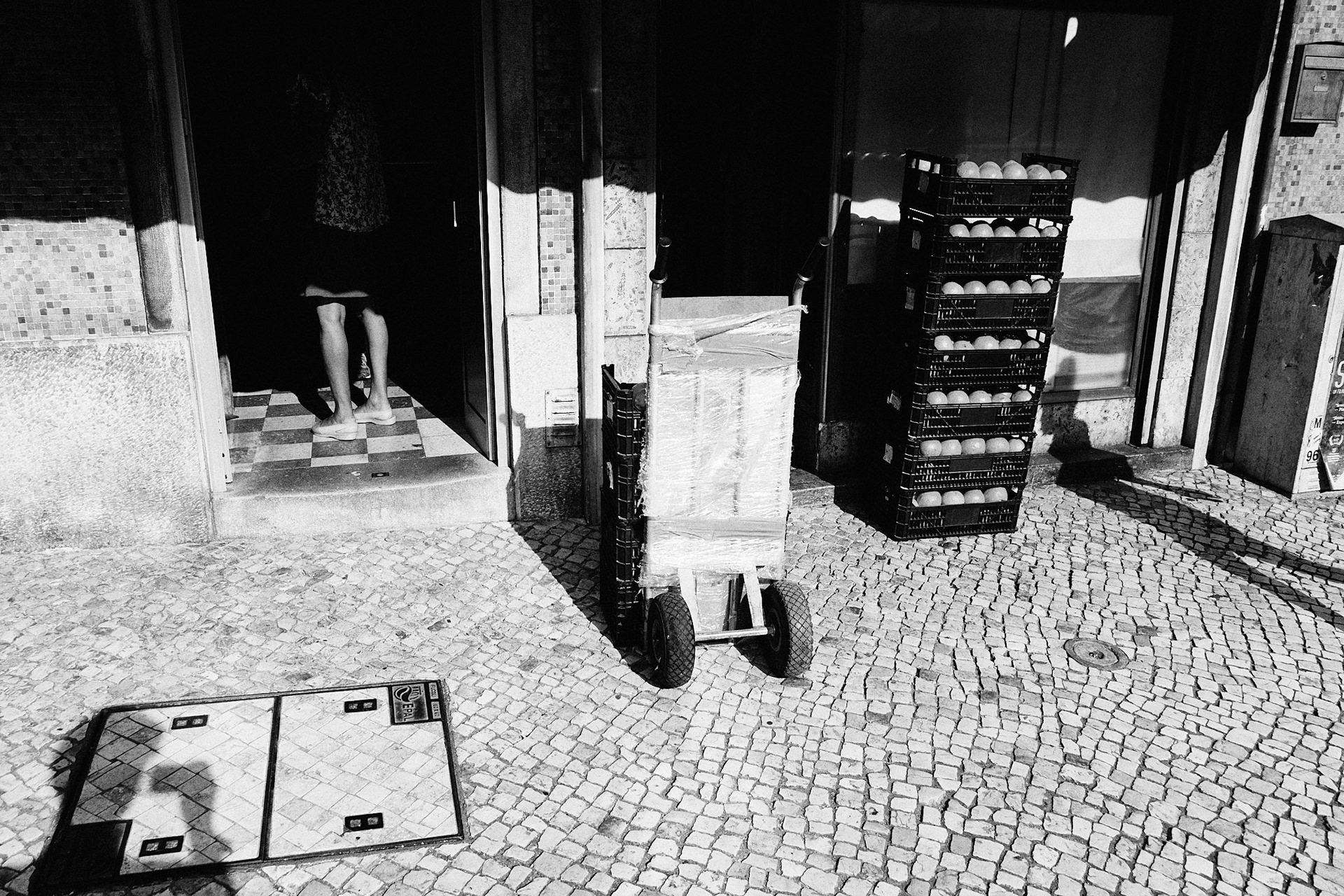
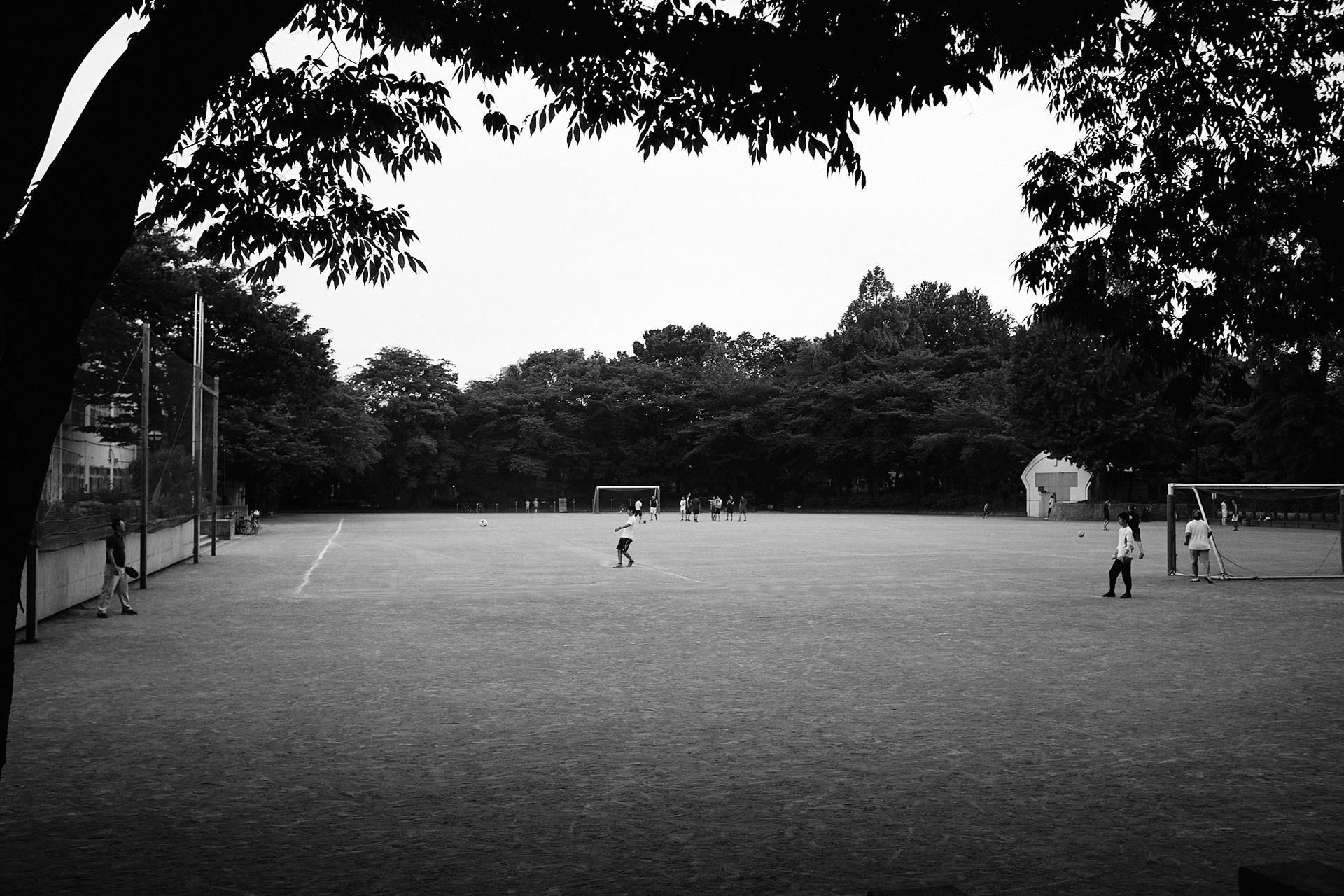
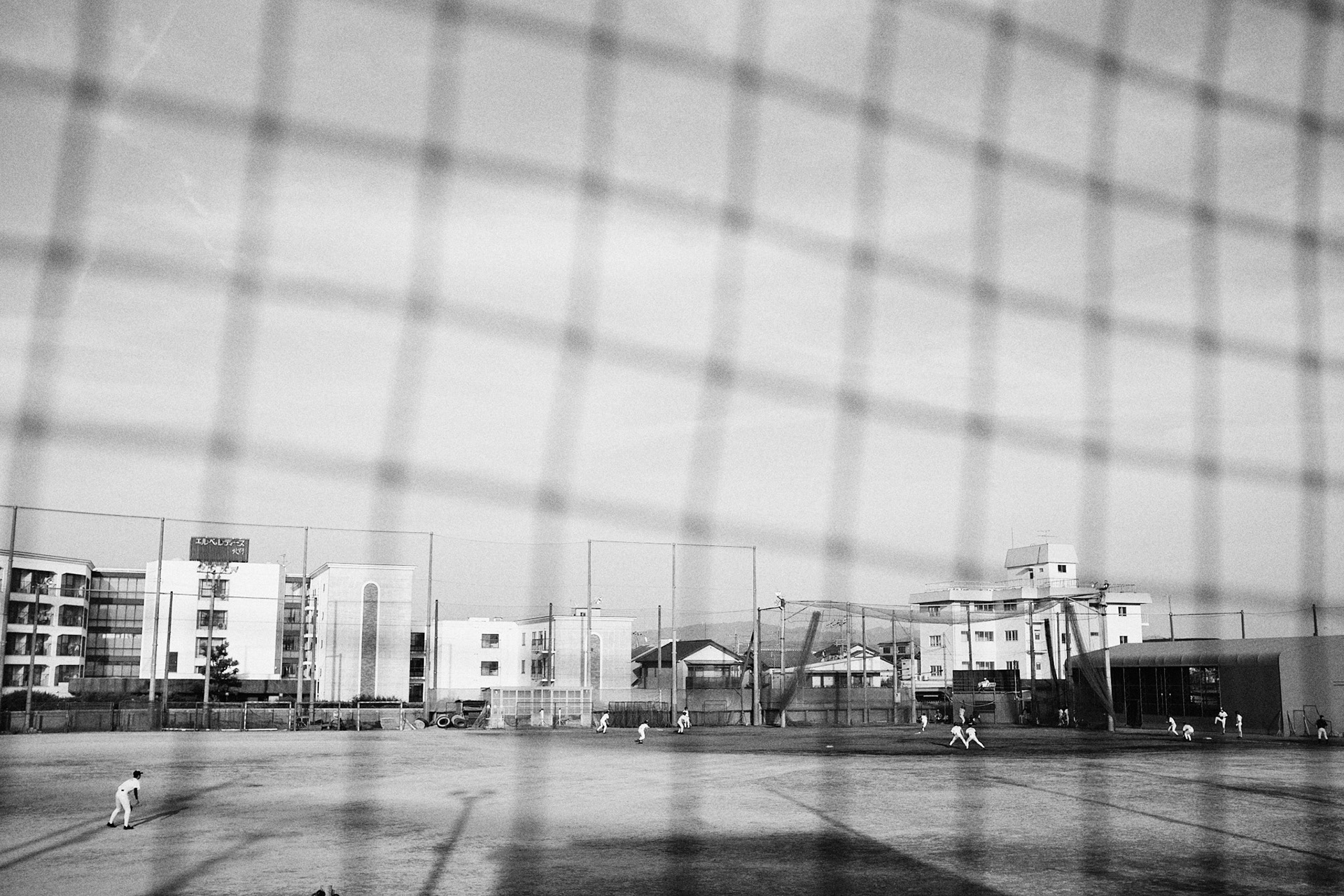
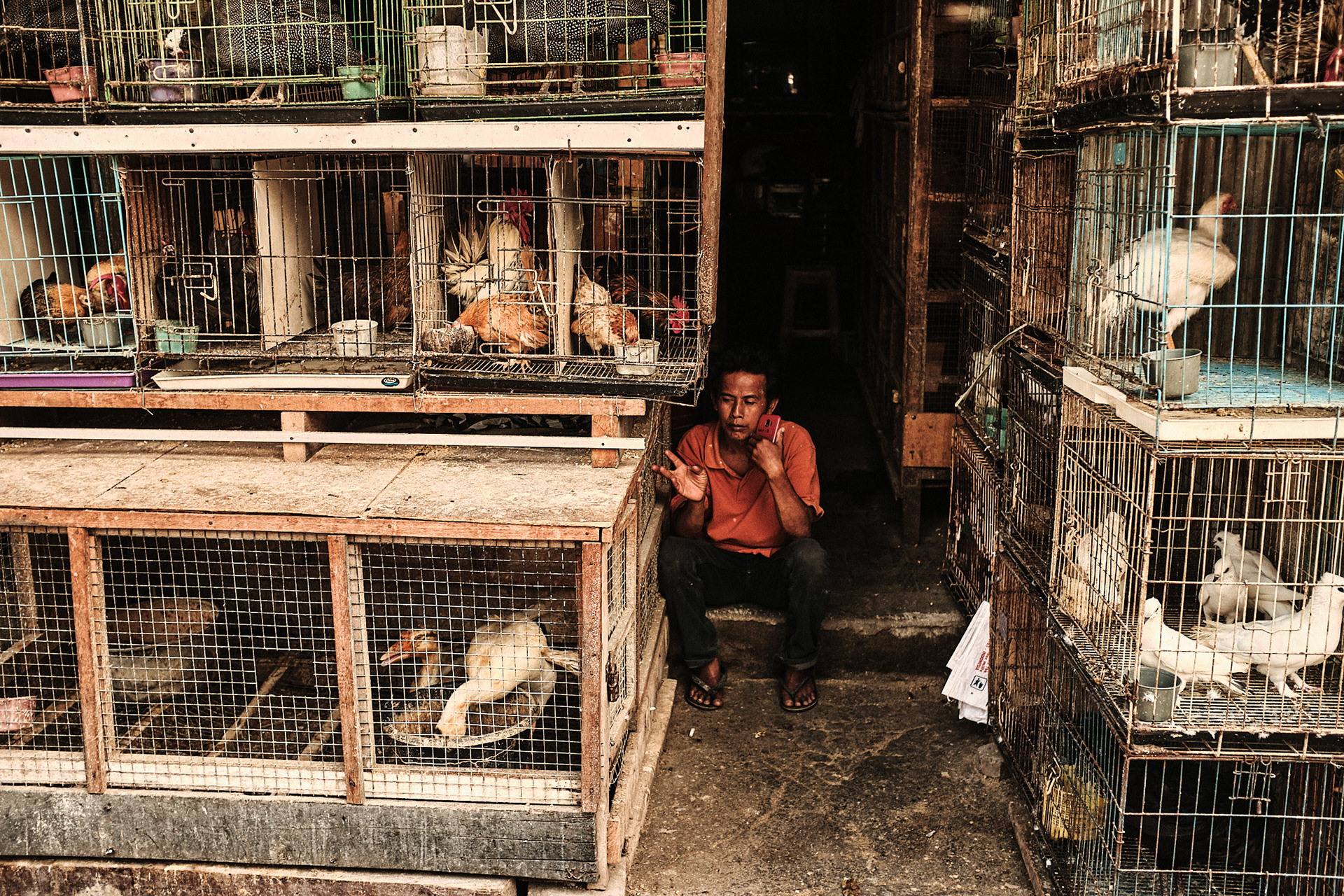
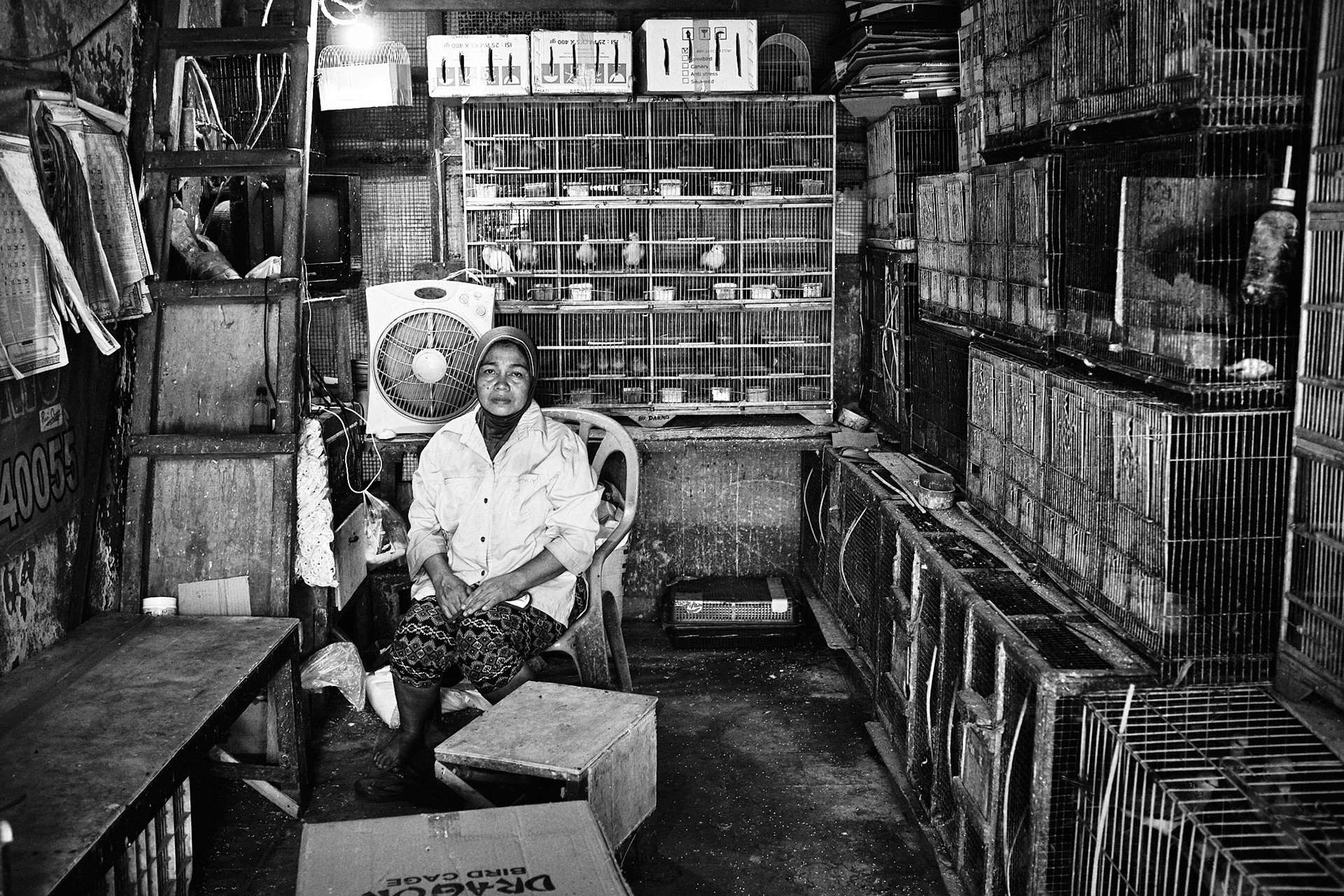
These photos, taken over many trips throughout my early 20s, are therefore somewhat of a sketchbook. There are works I am proud of—certainly a few decisive moments, and good compositions—but most significantly, in creating this work, I have grown. Grown to understand self-reportage more deeply and moved beyond simply seeking a "decisive moment.”
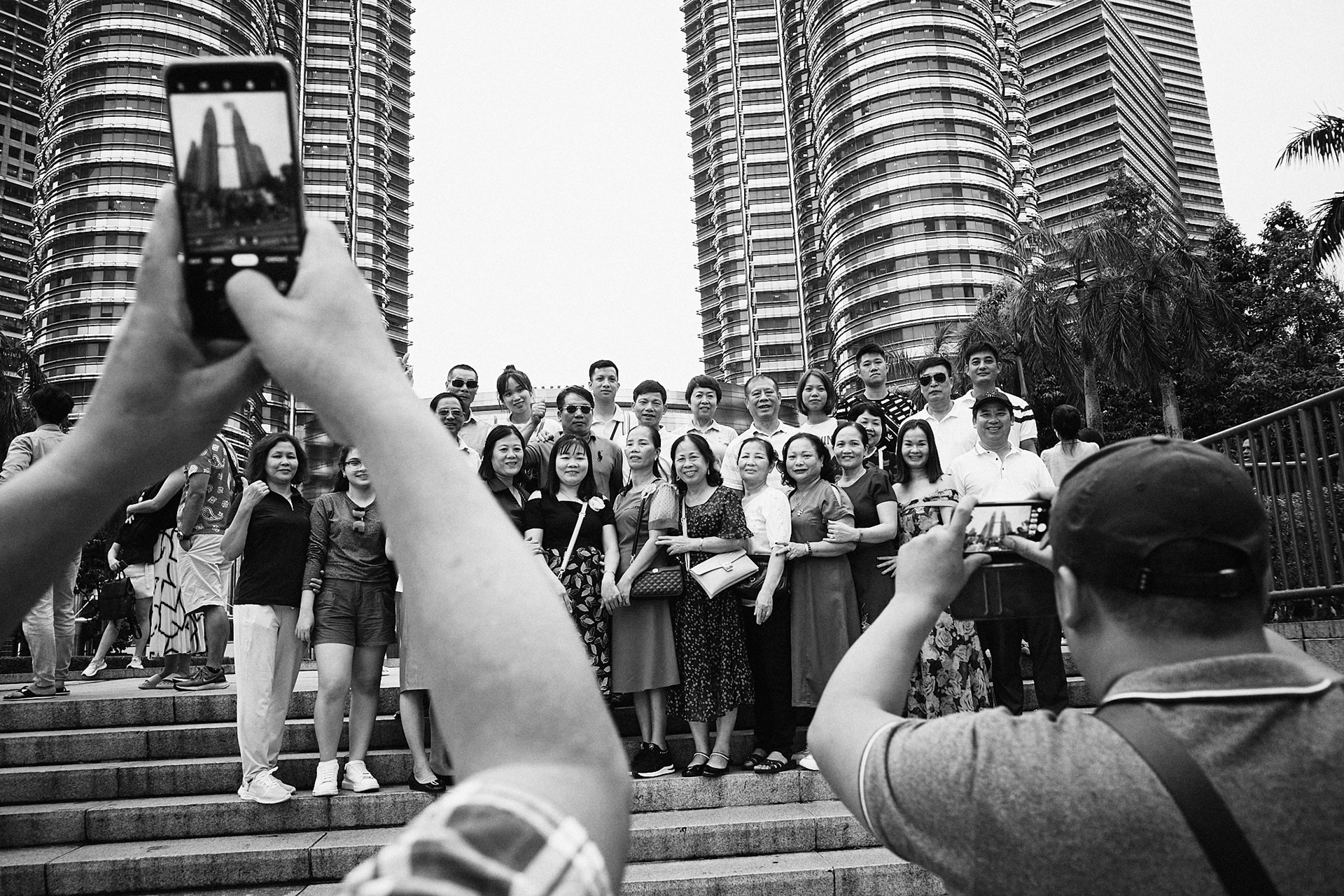
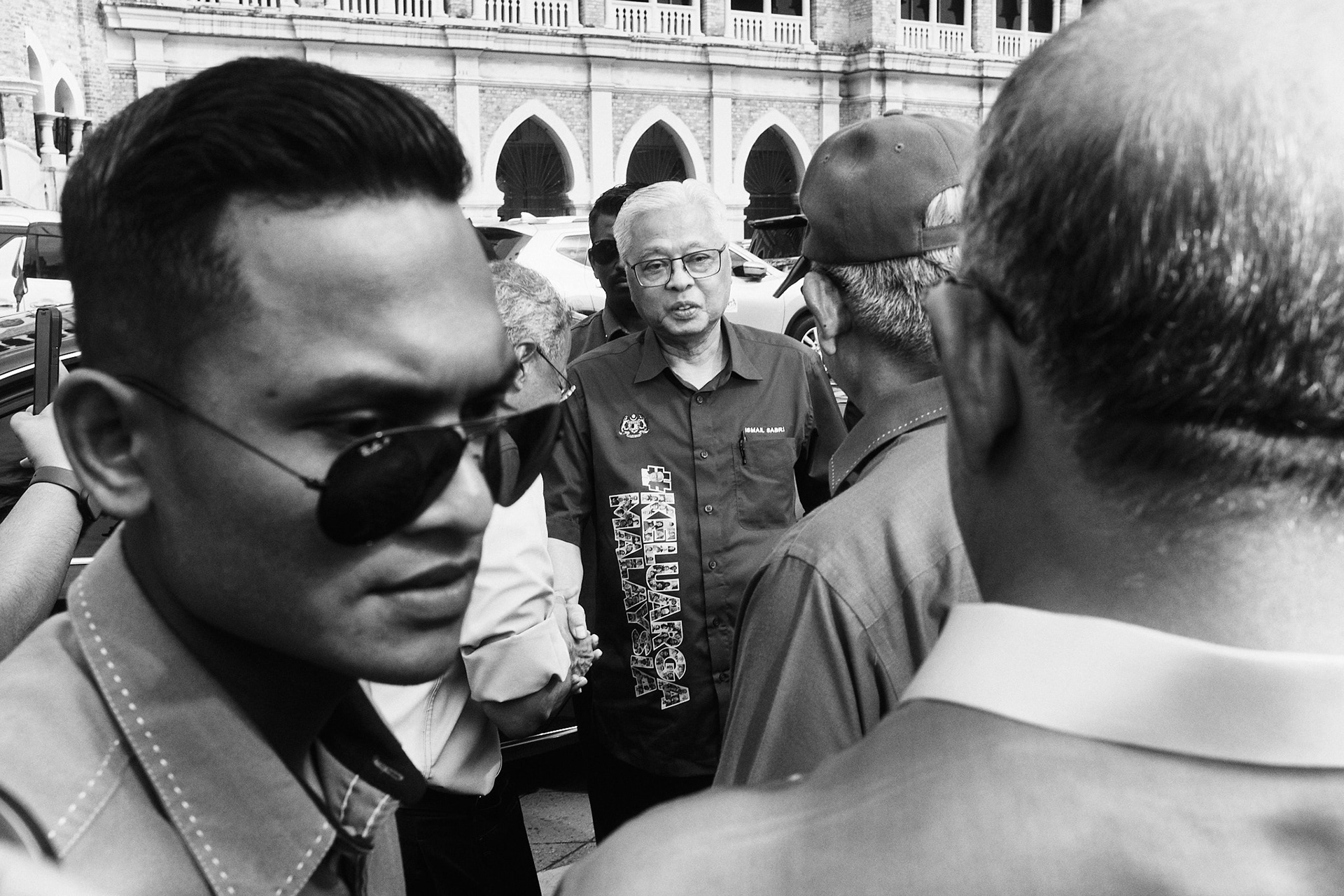
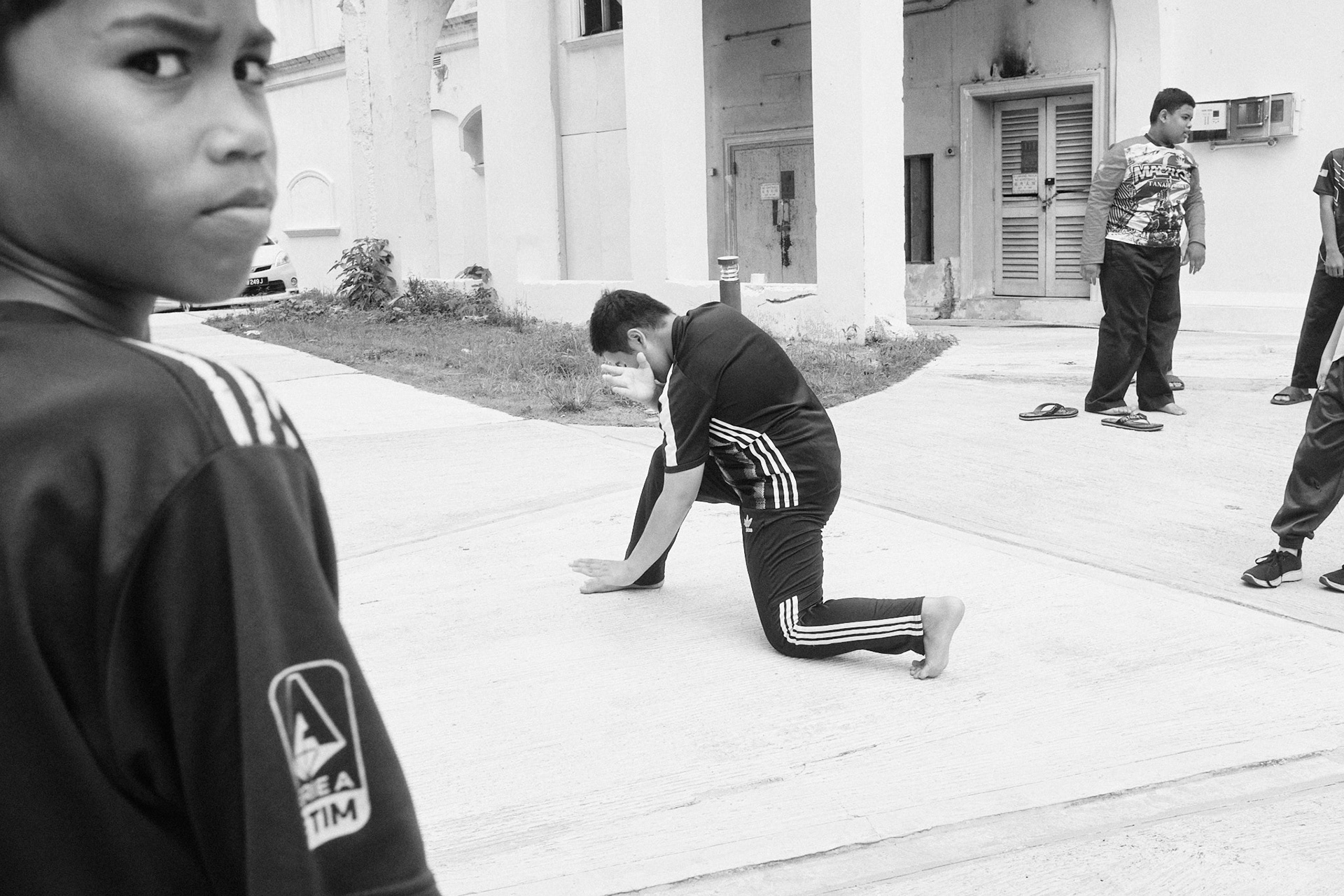
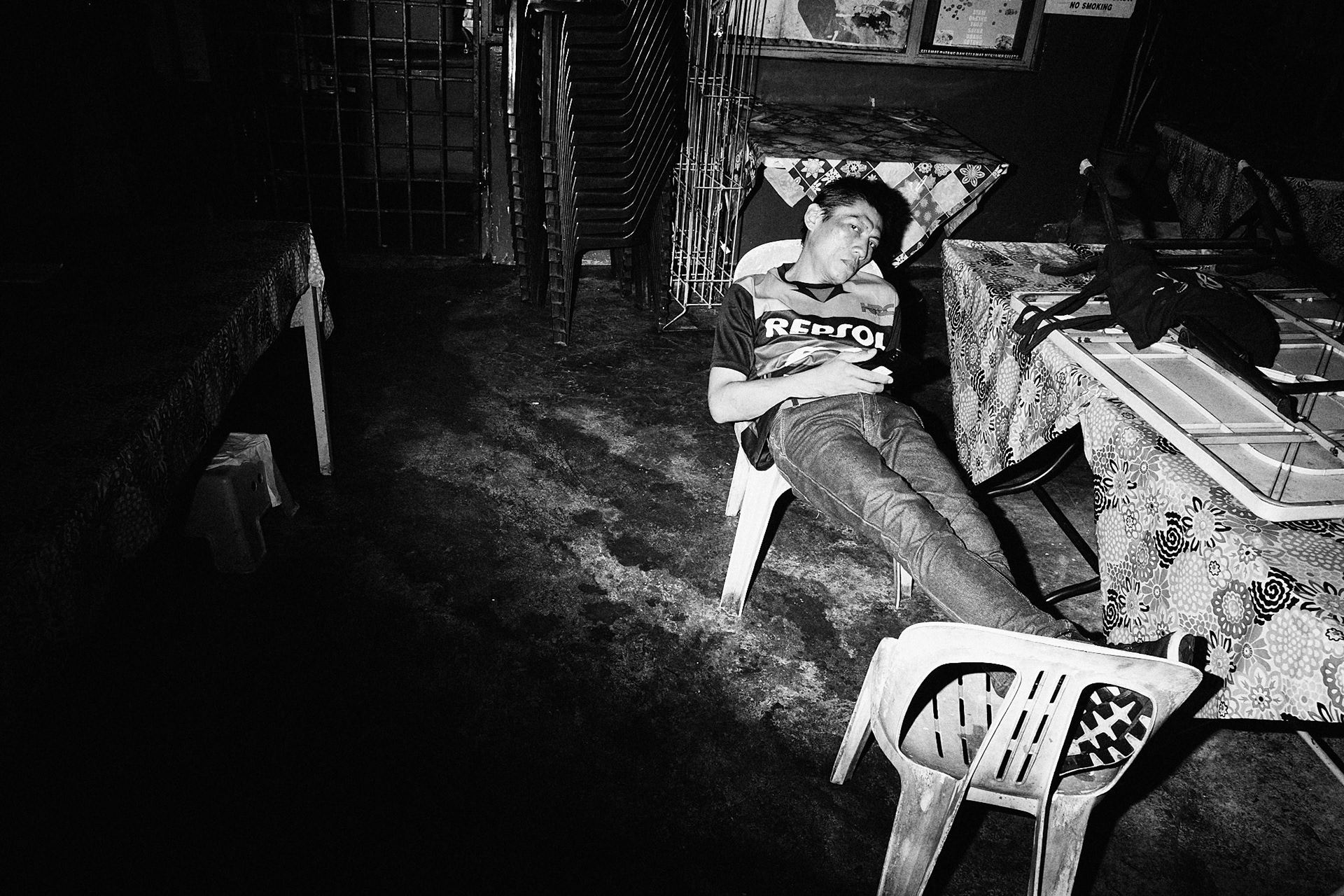
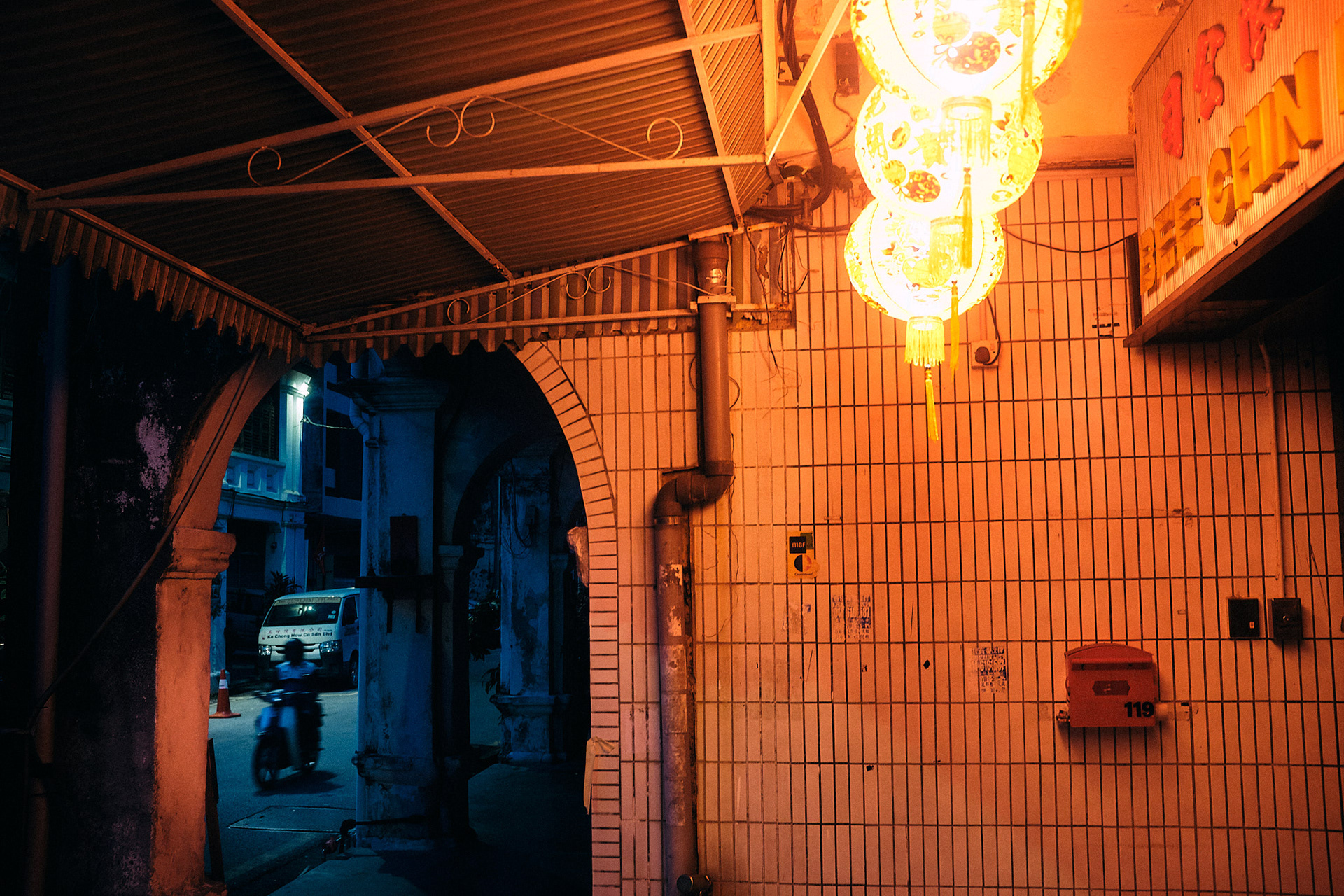
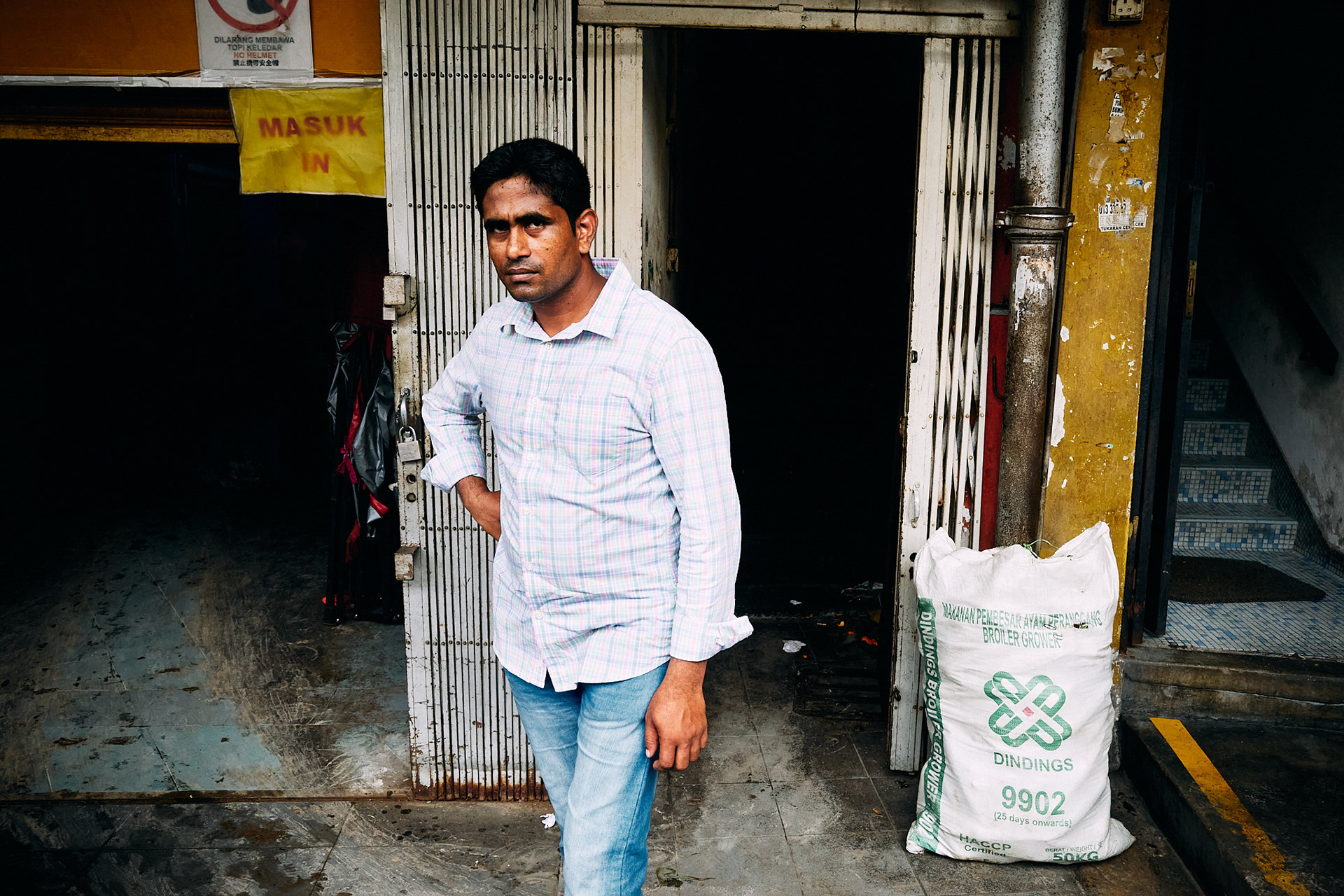
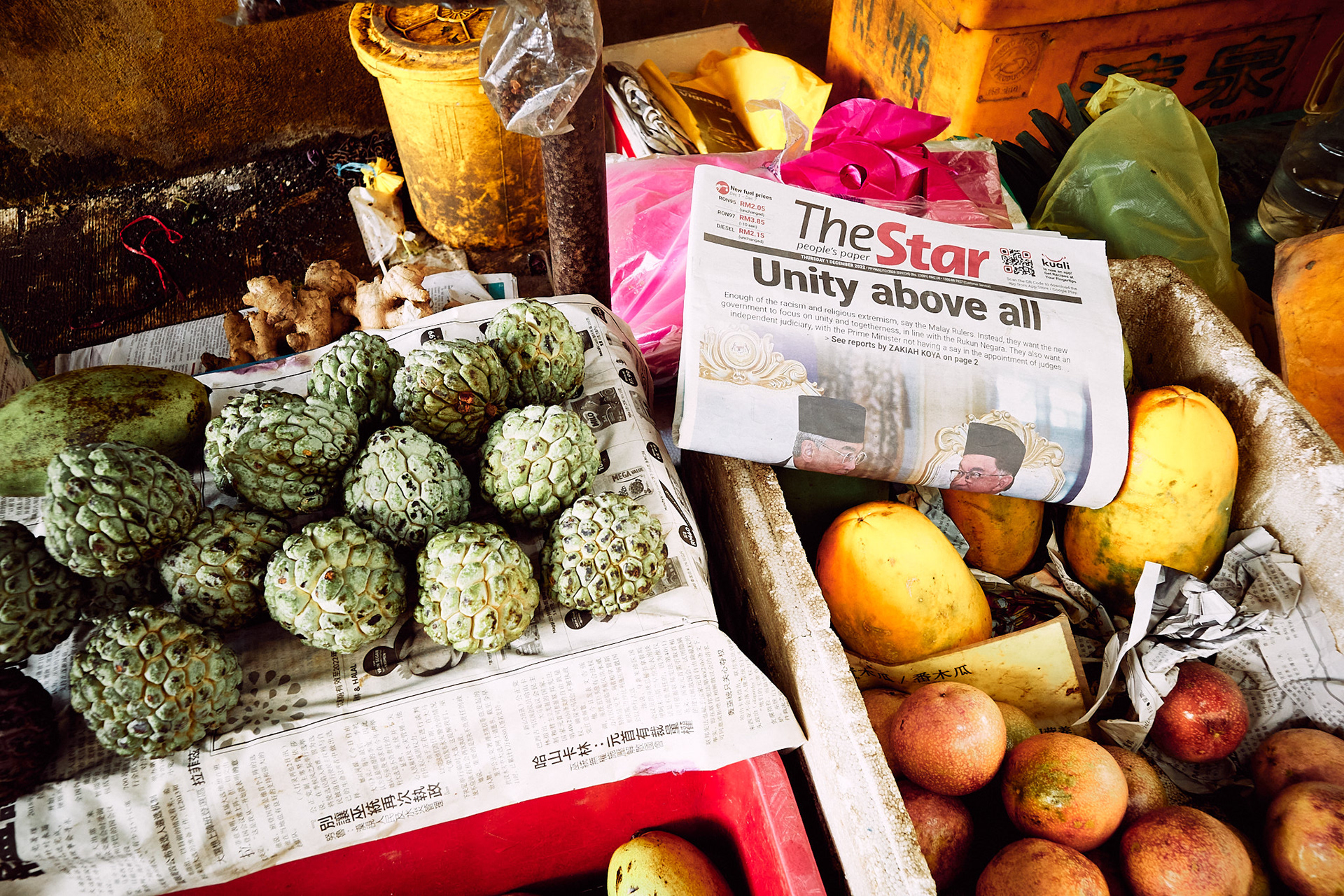
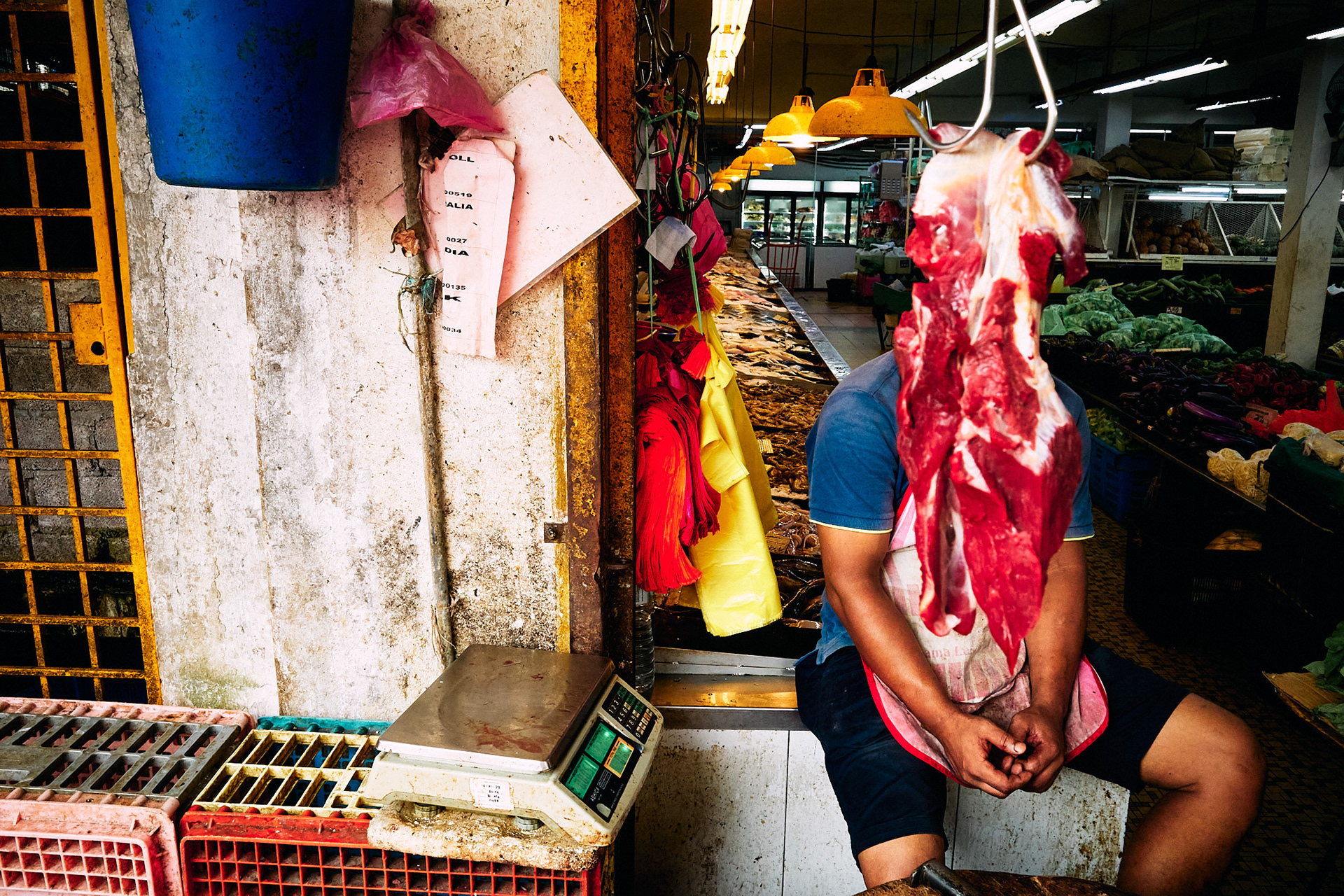
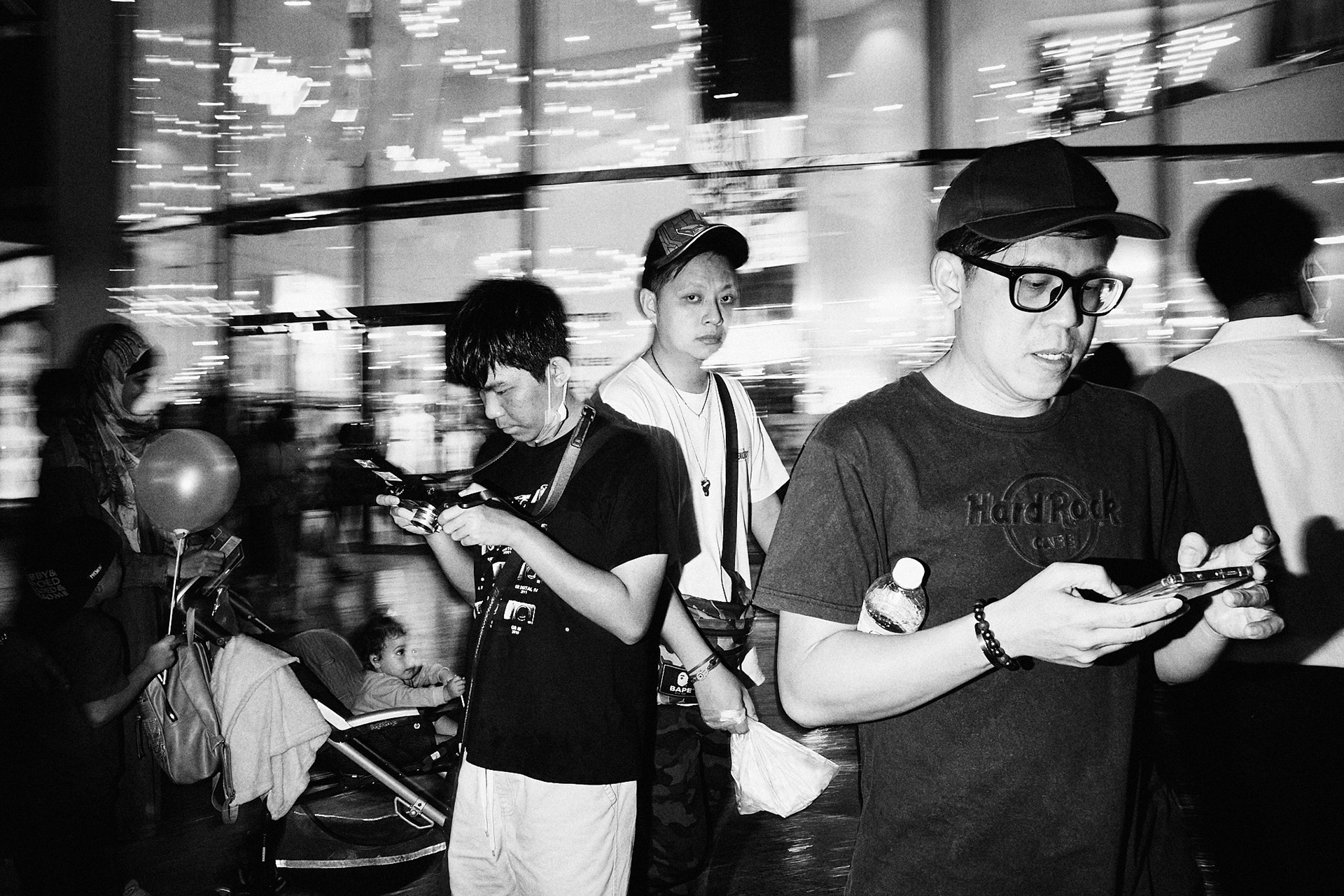
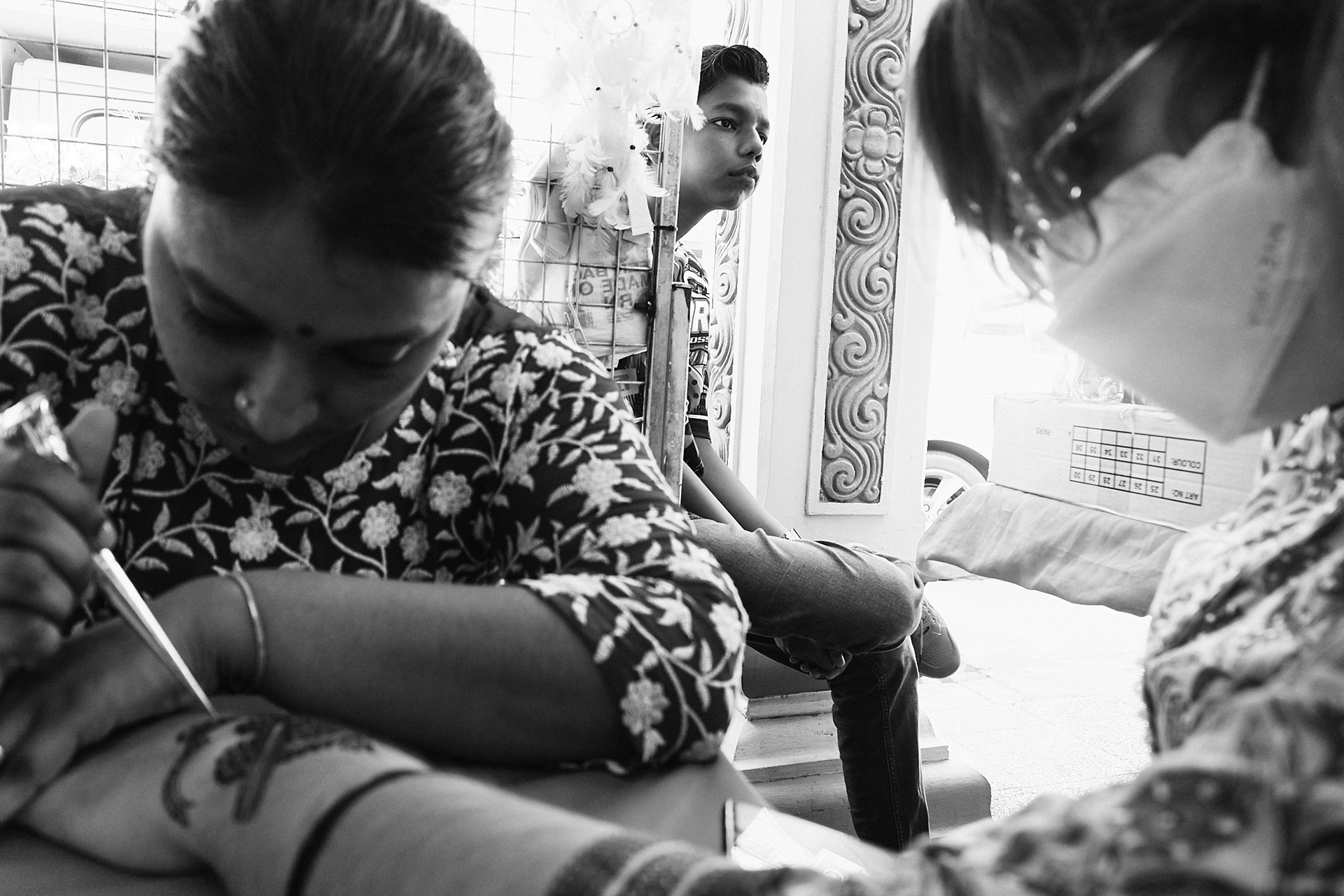
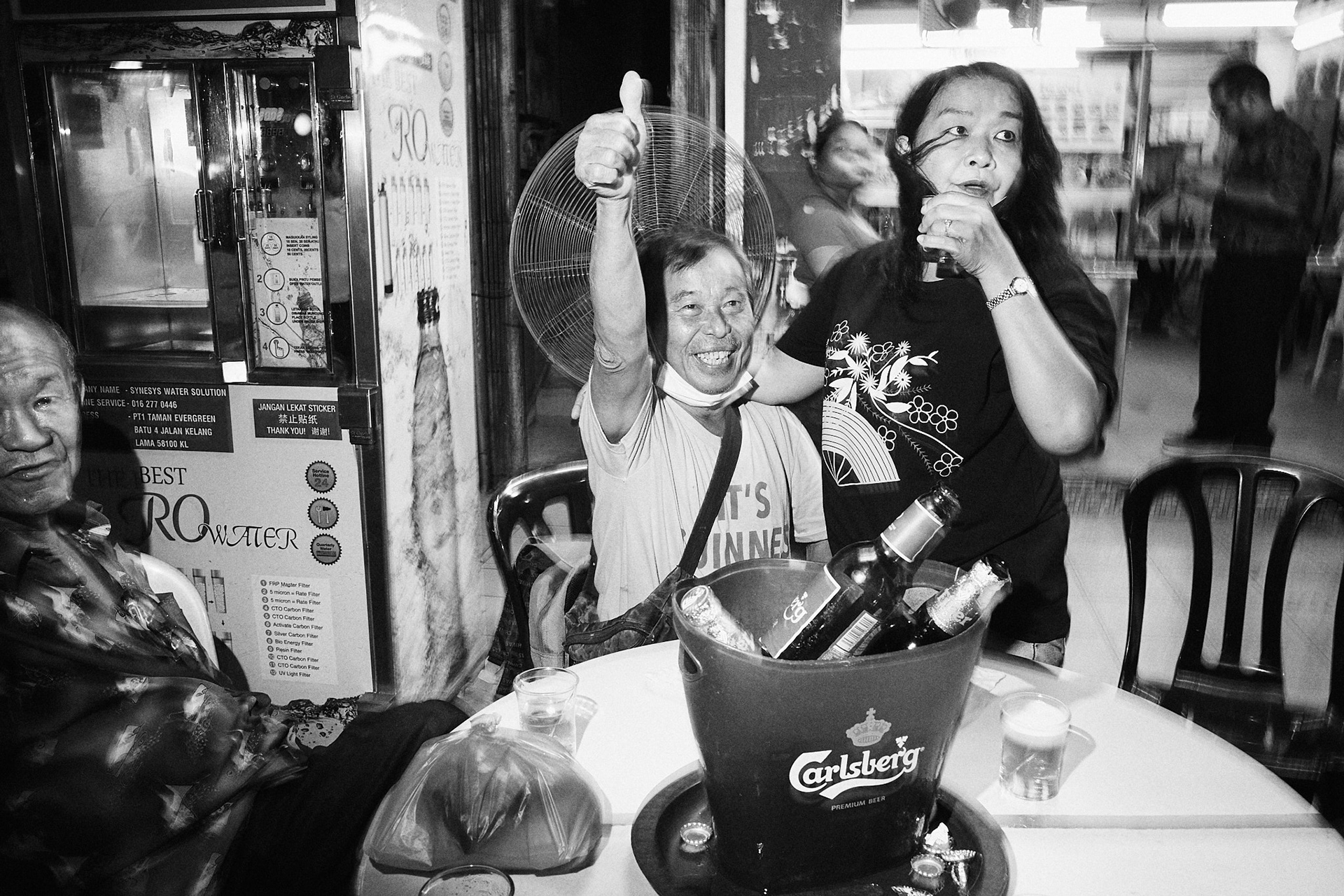
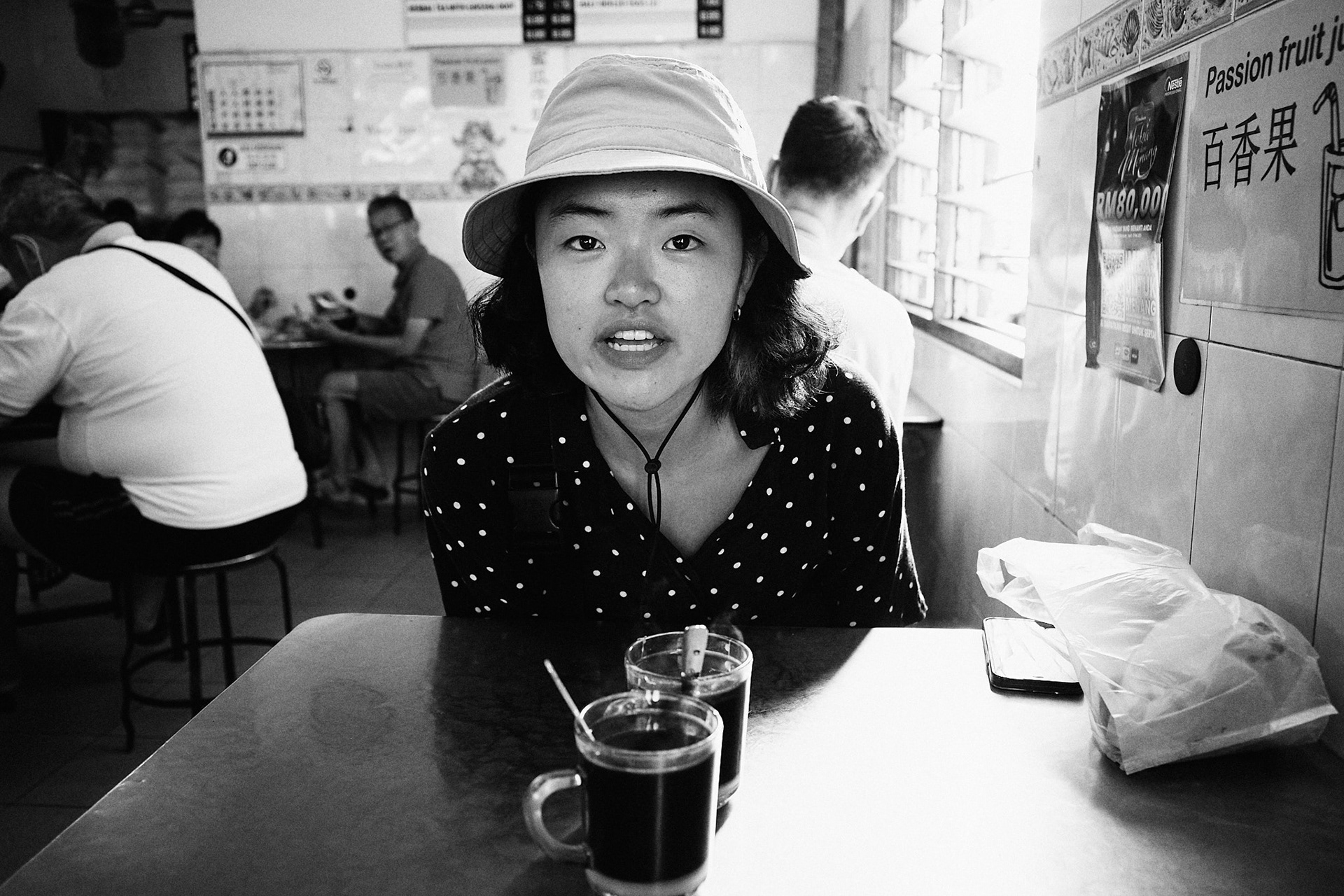
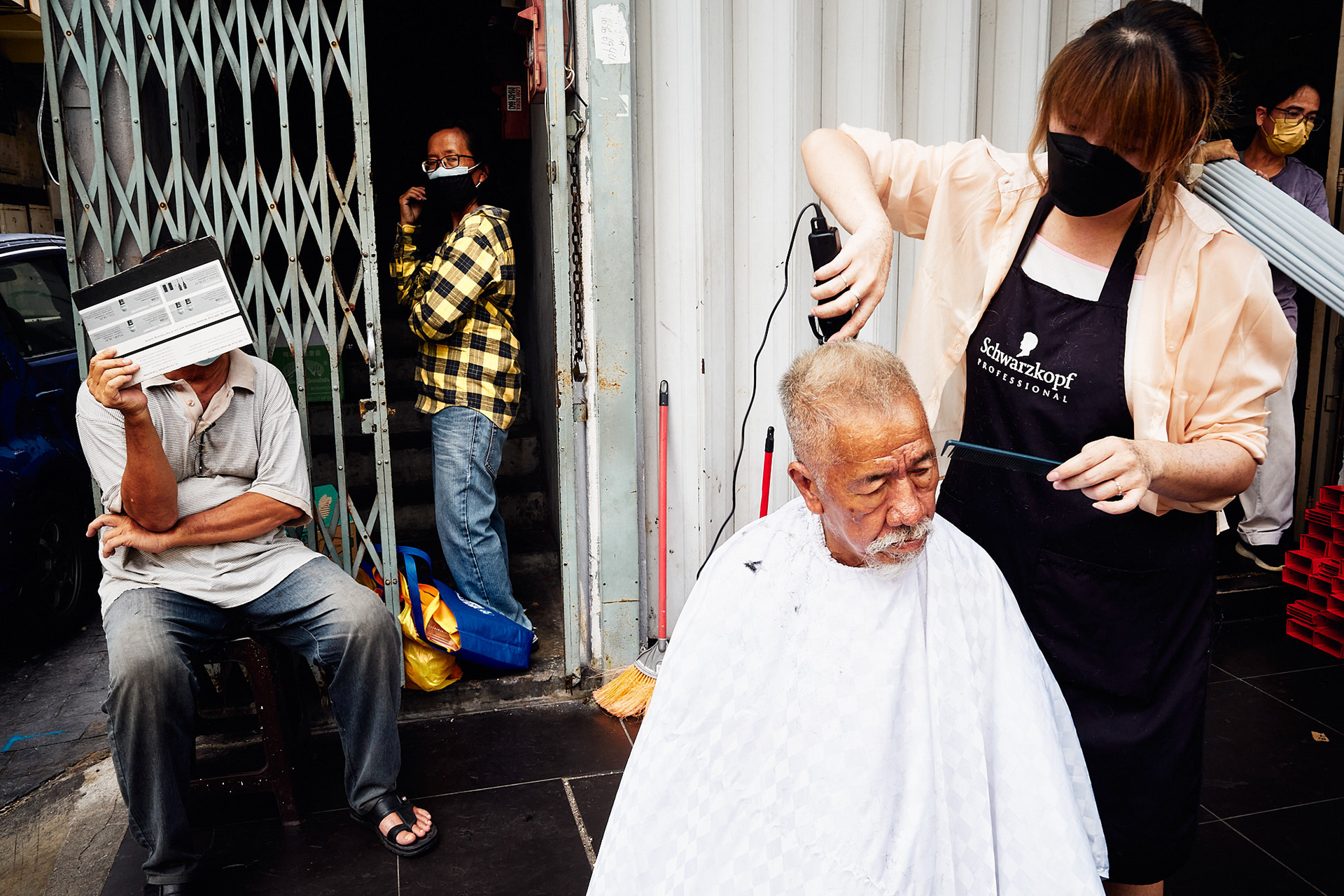
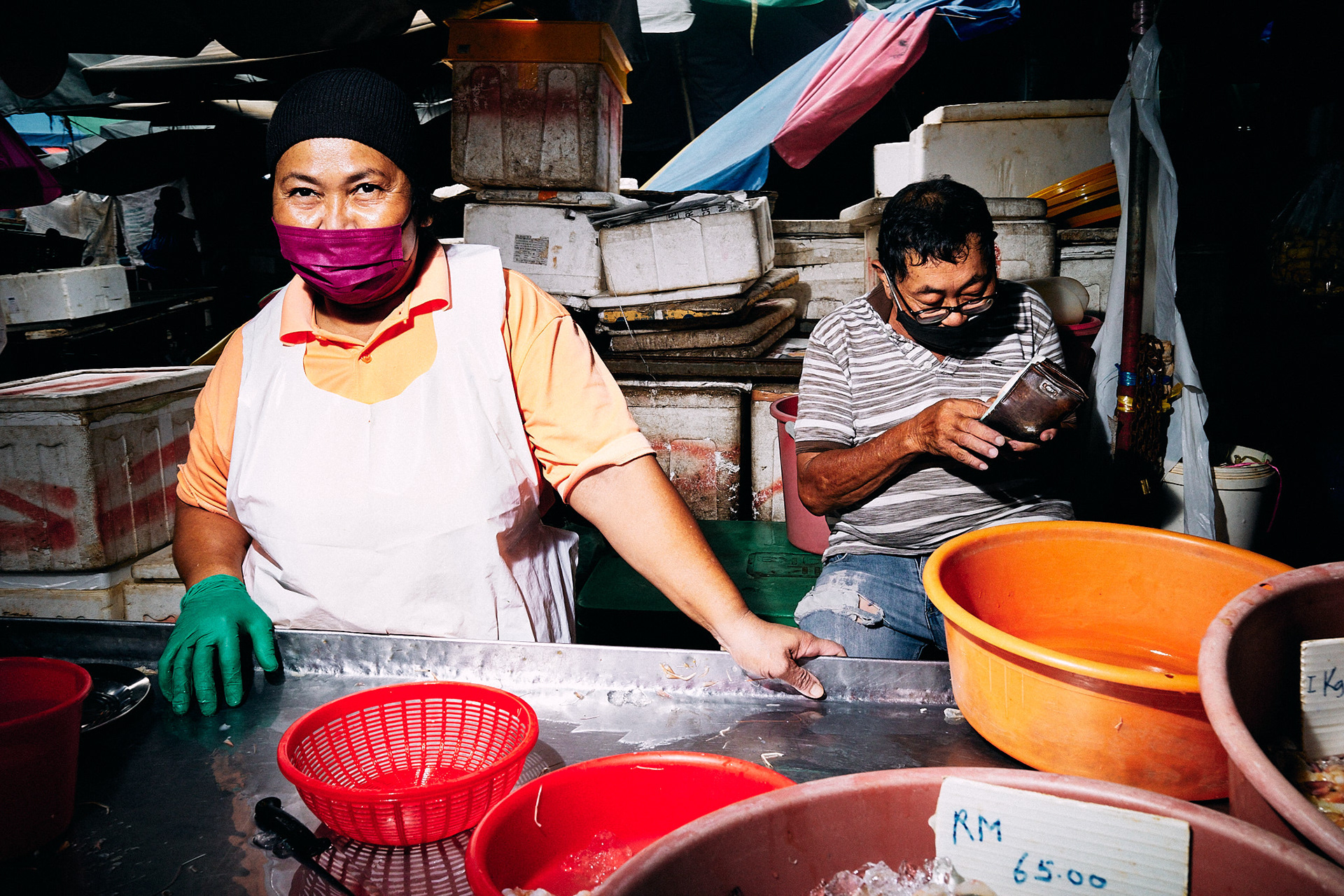
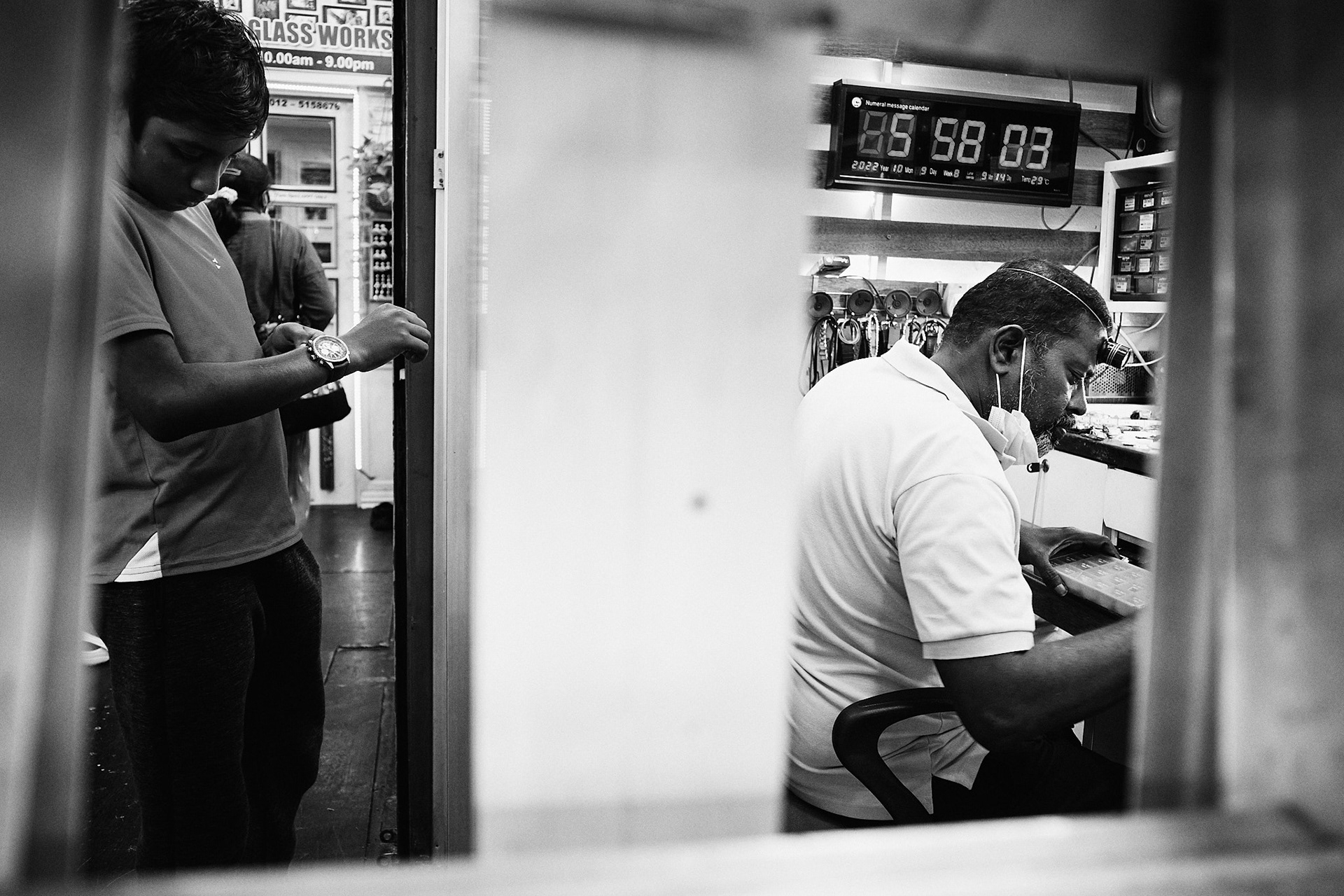
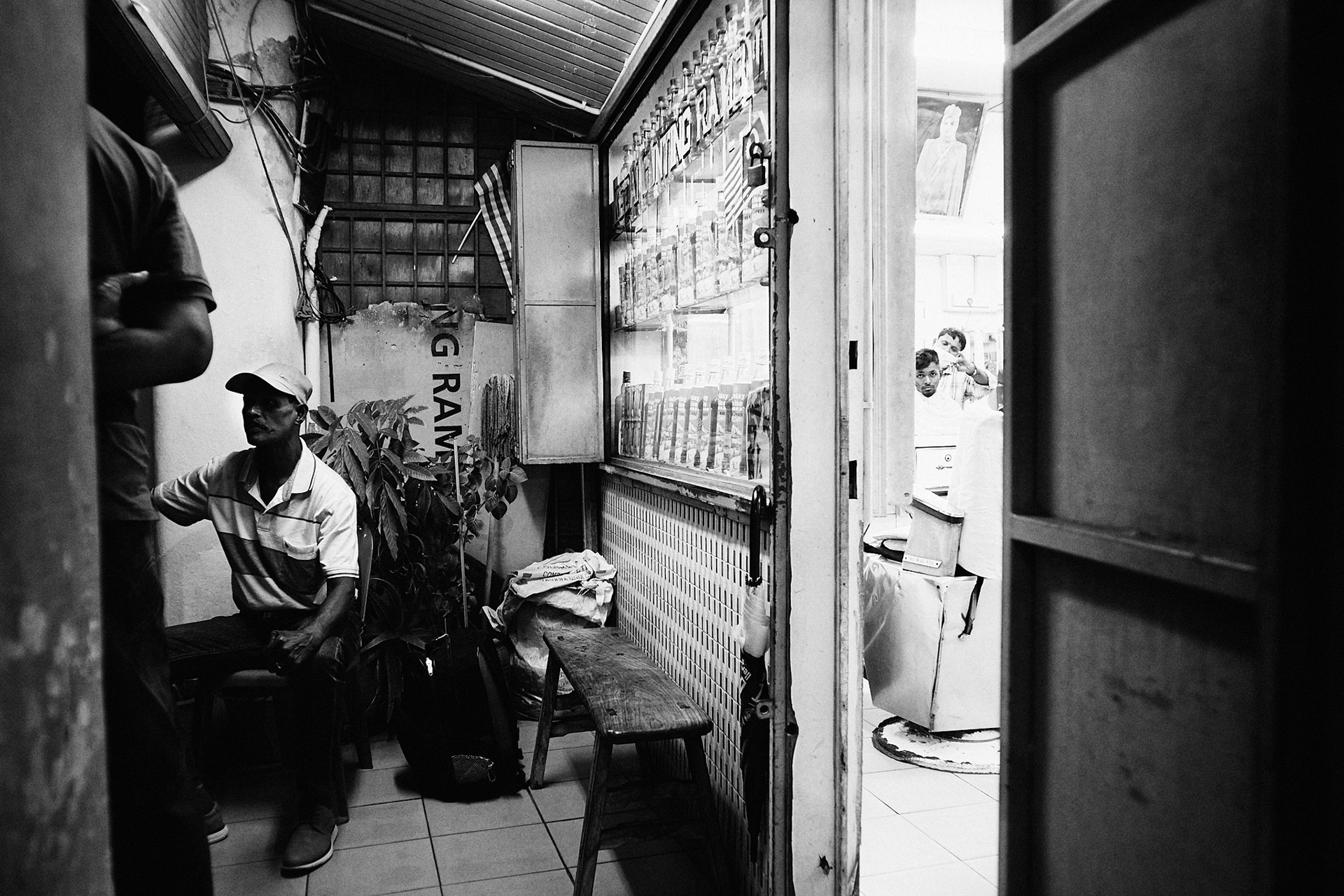
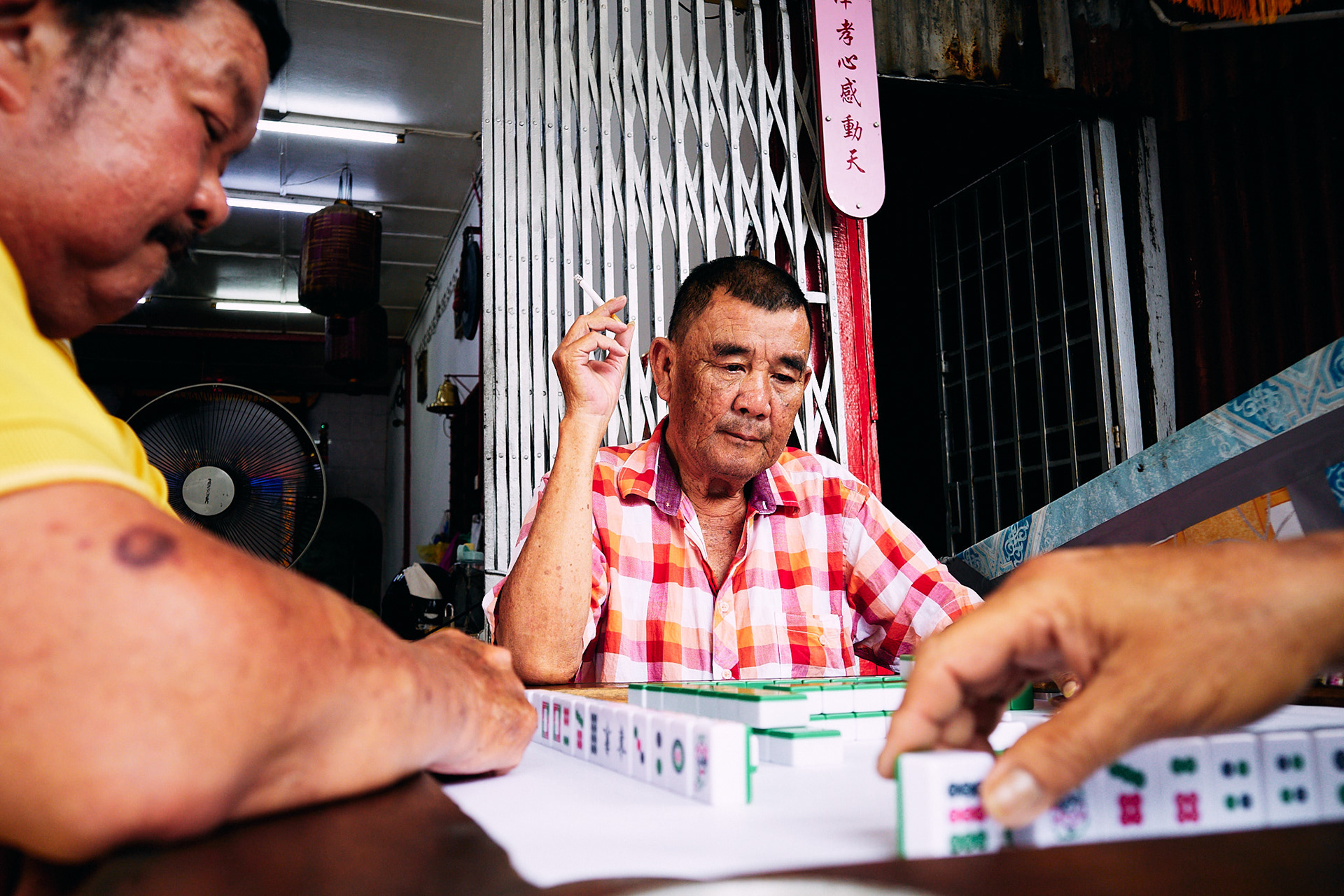
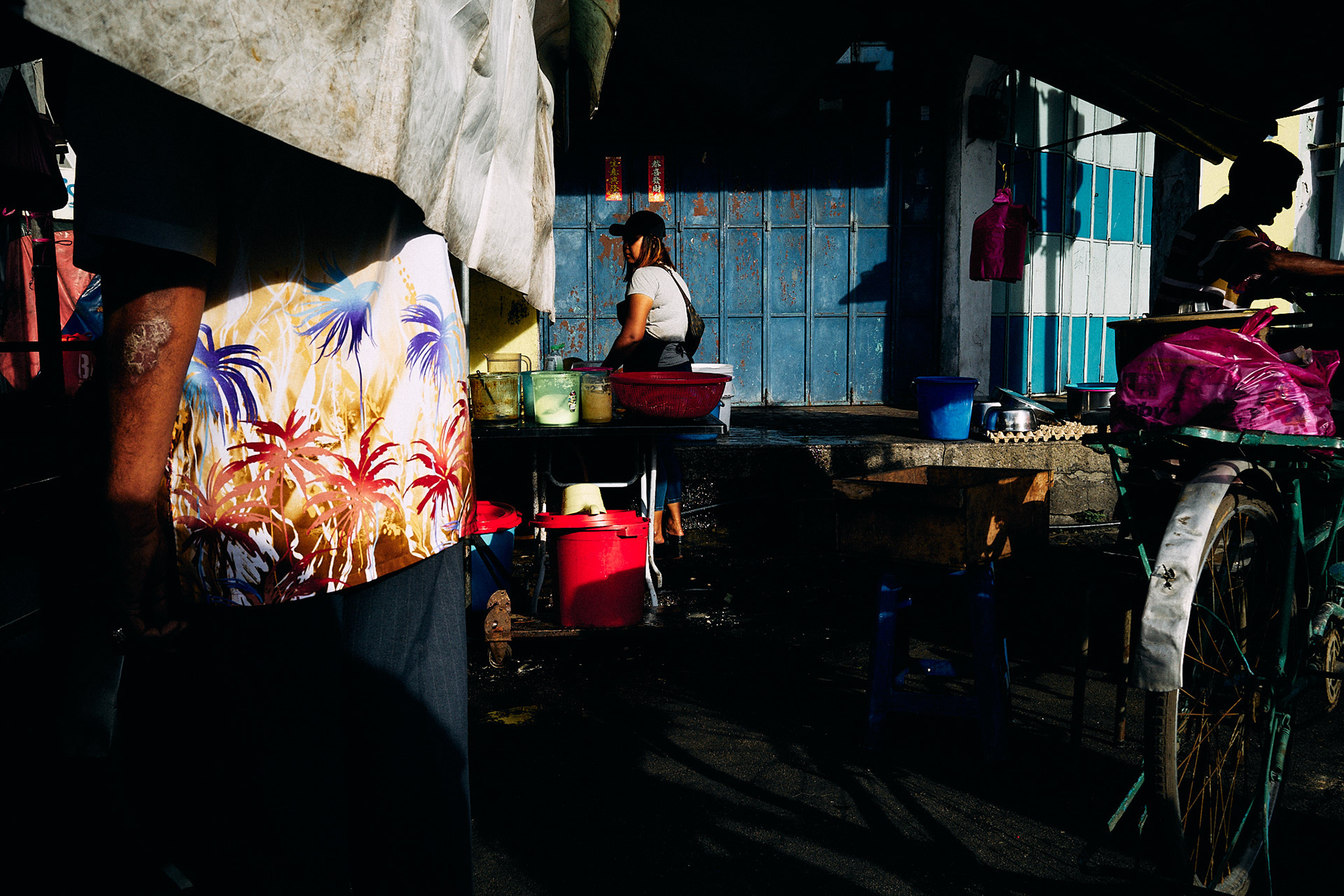
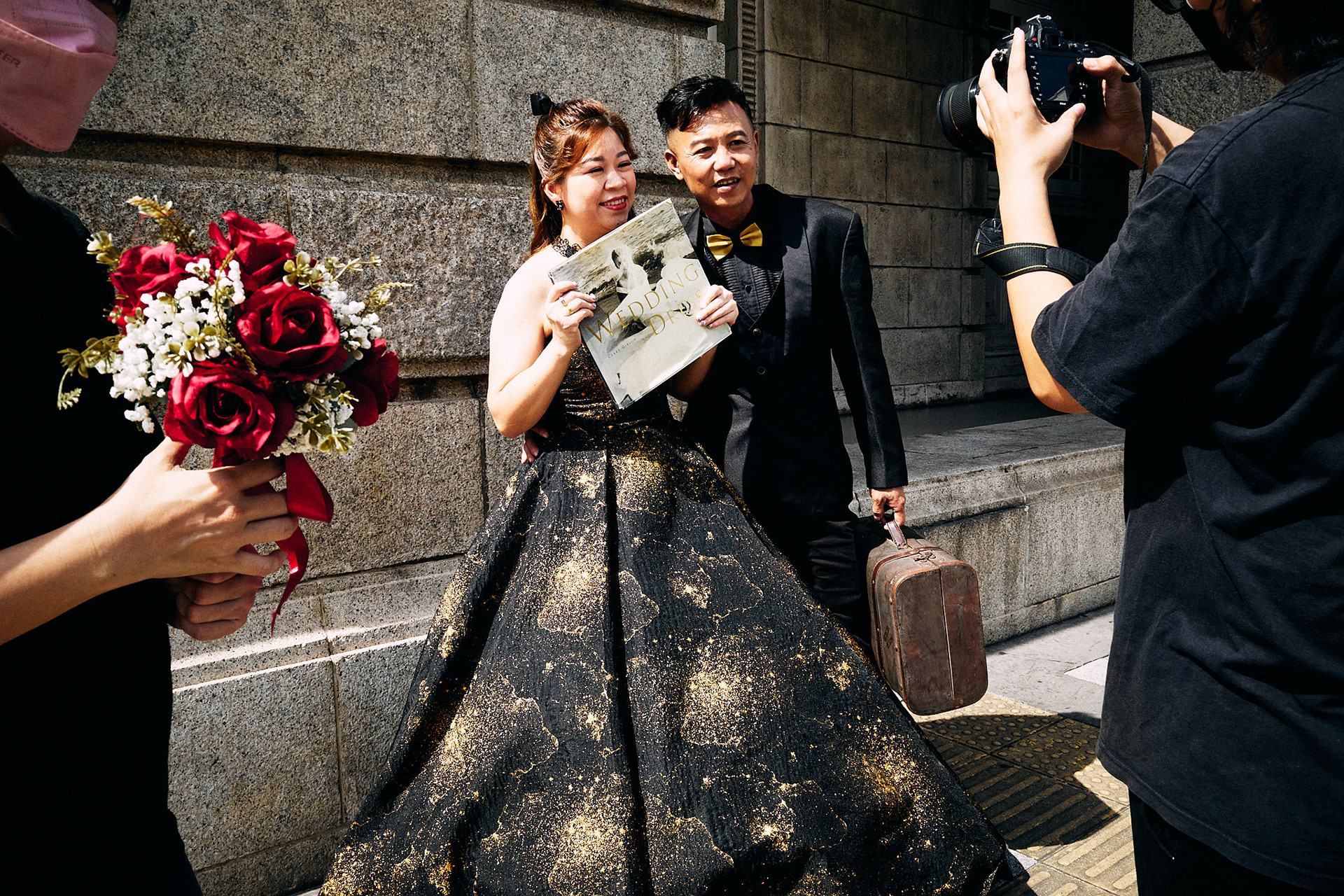
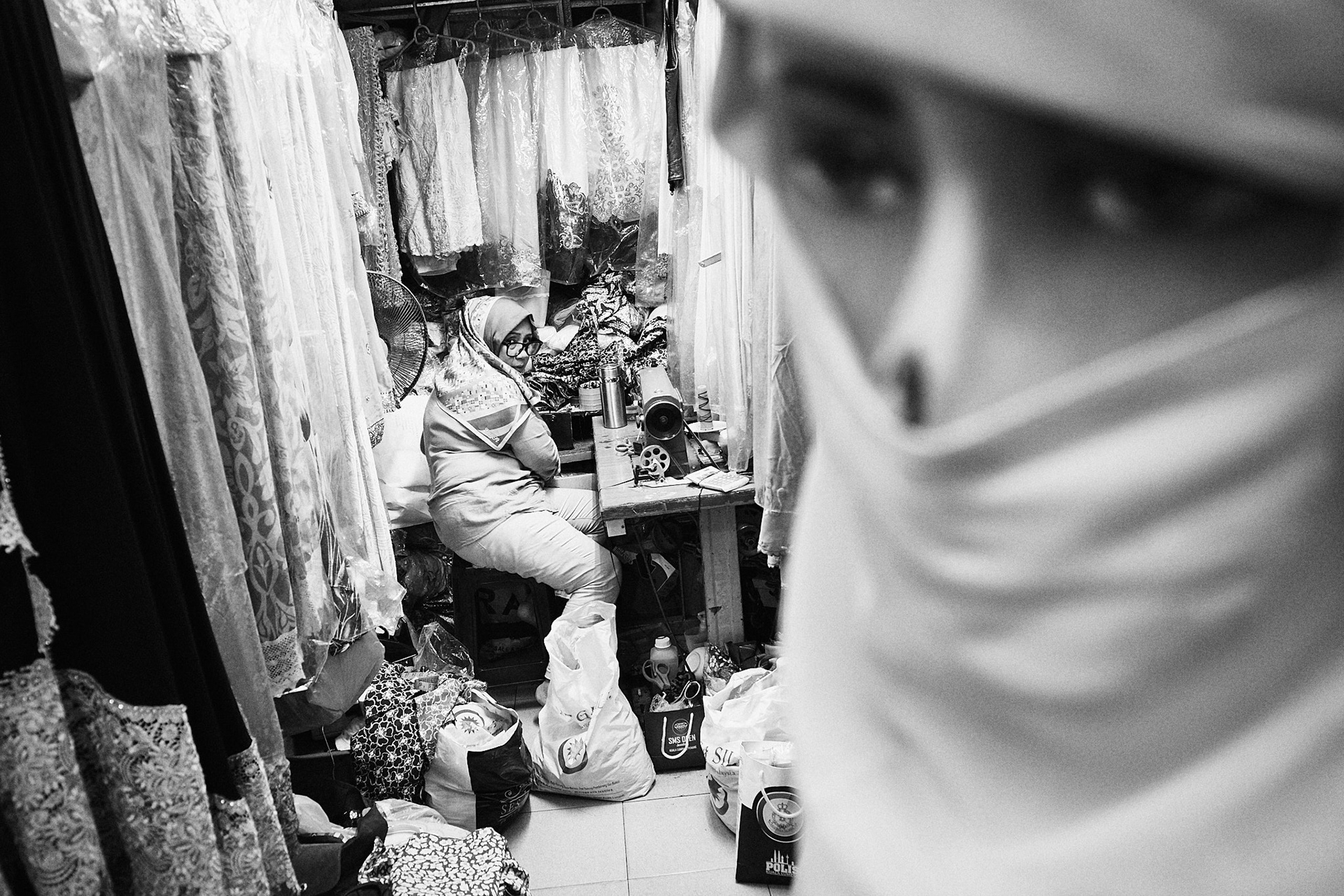
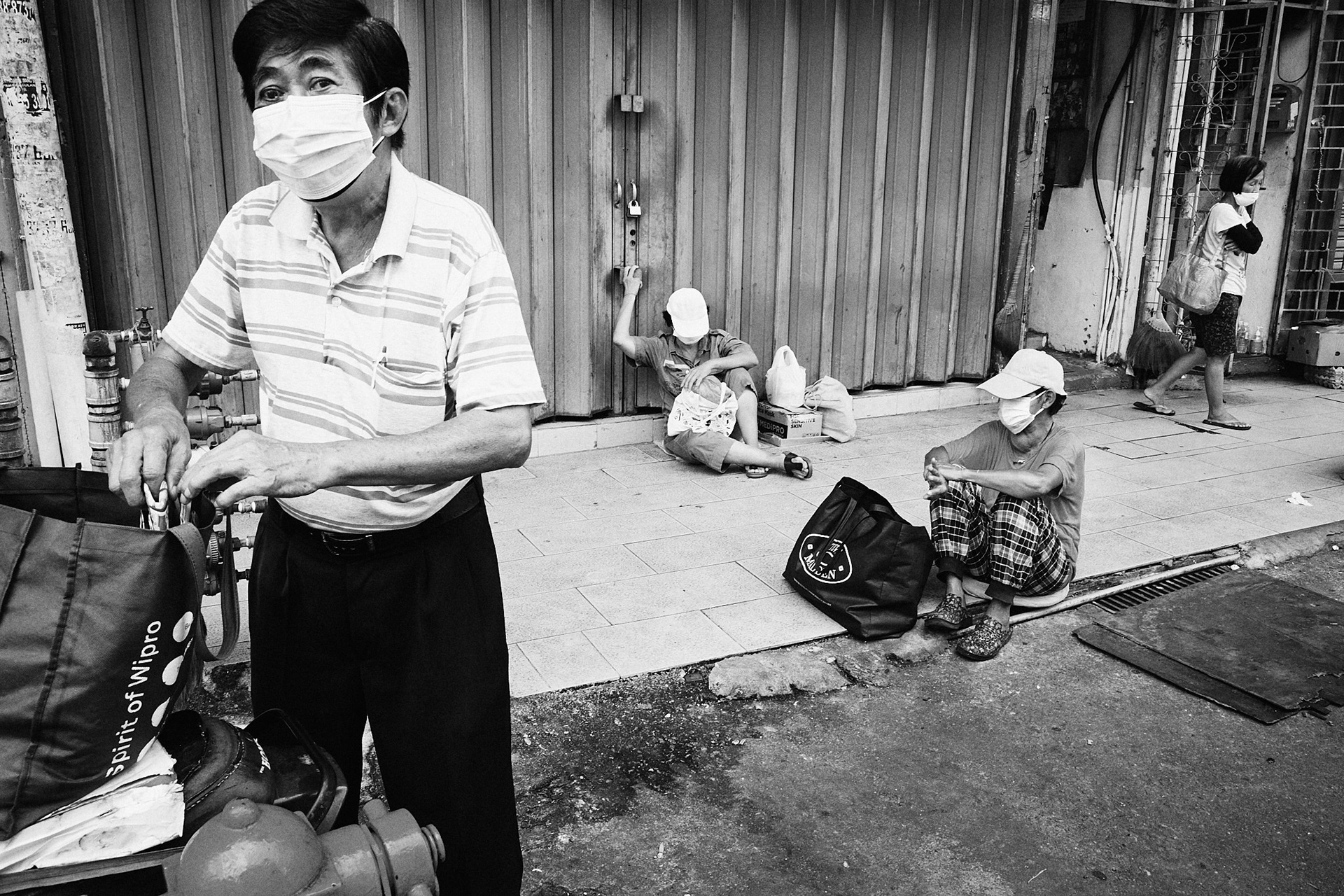
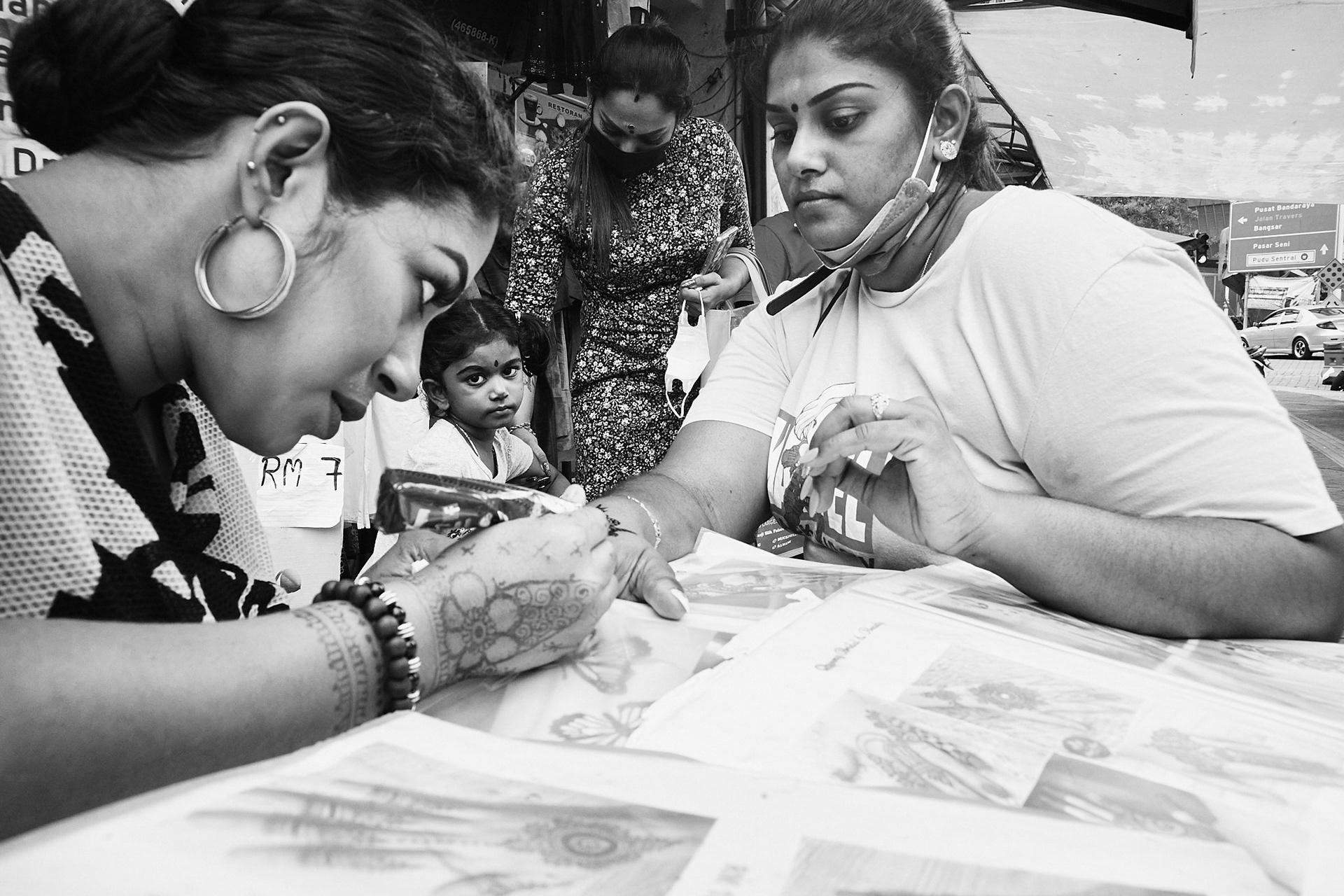
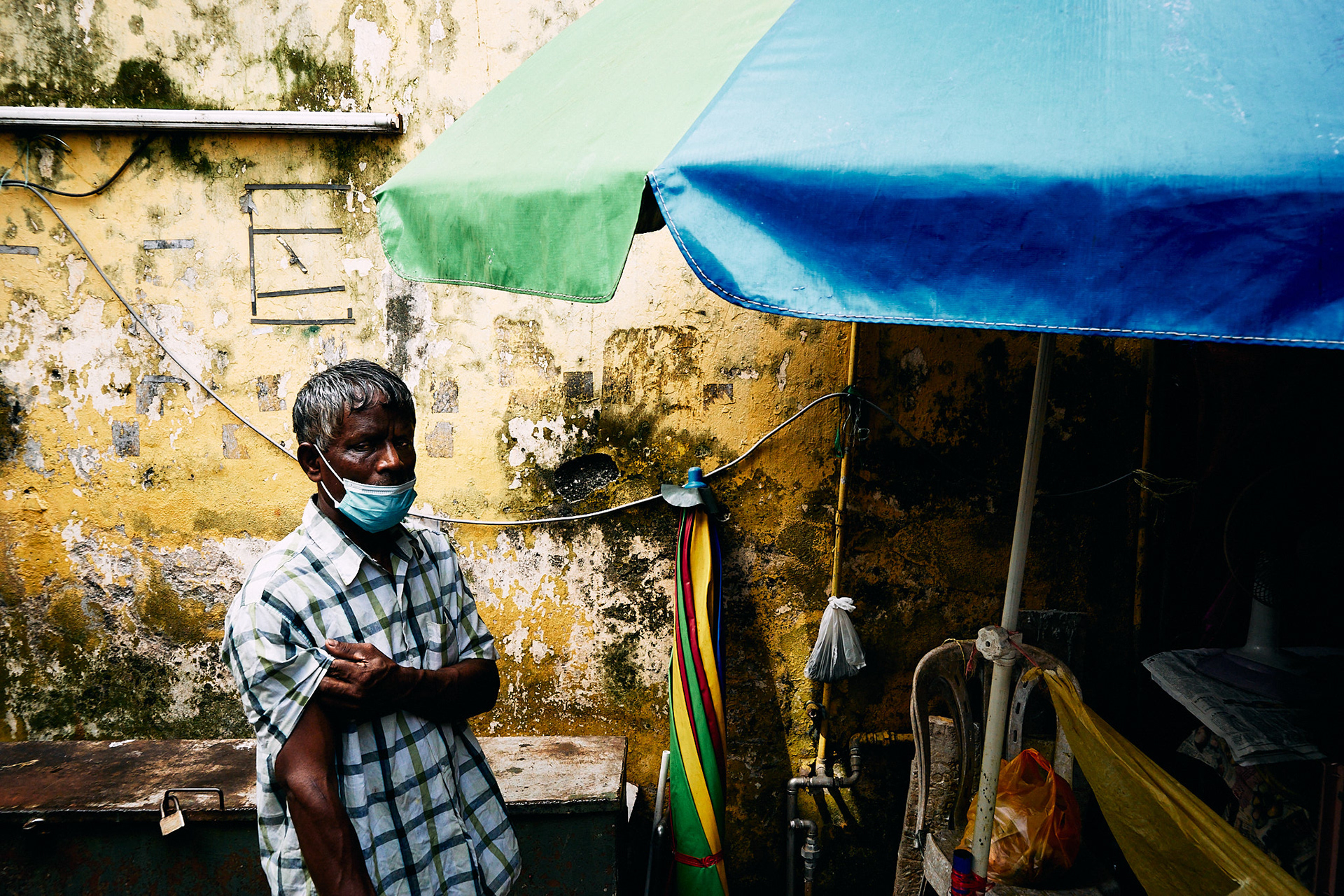
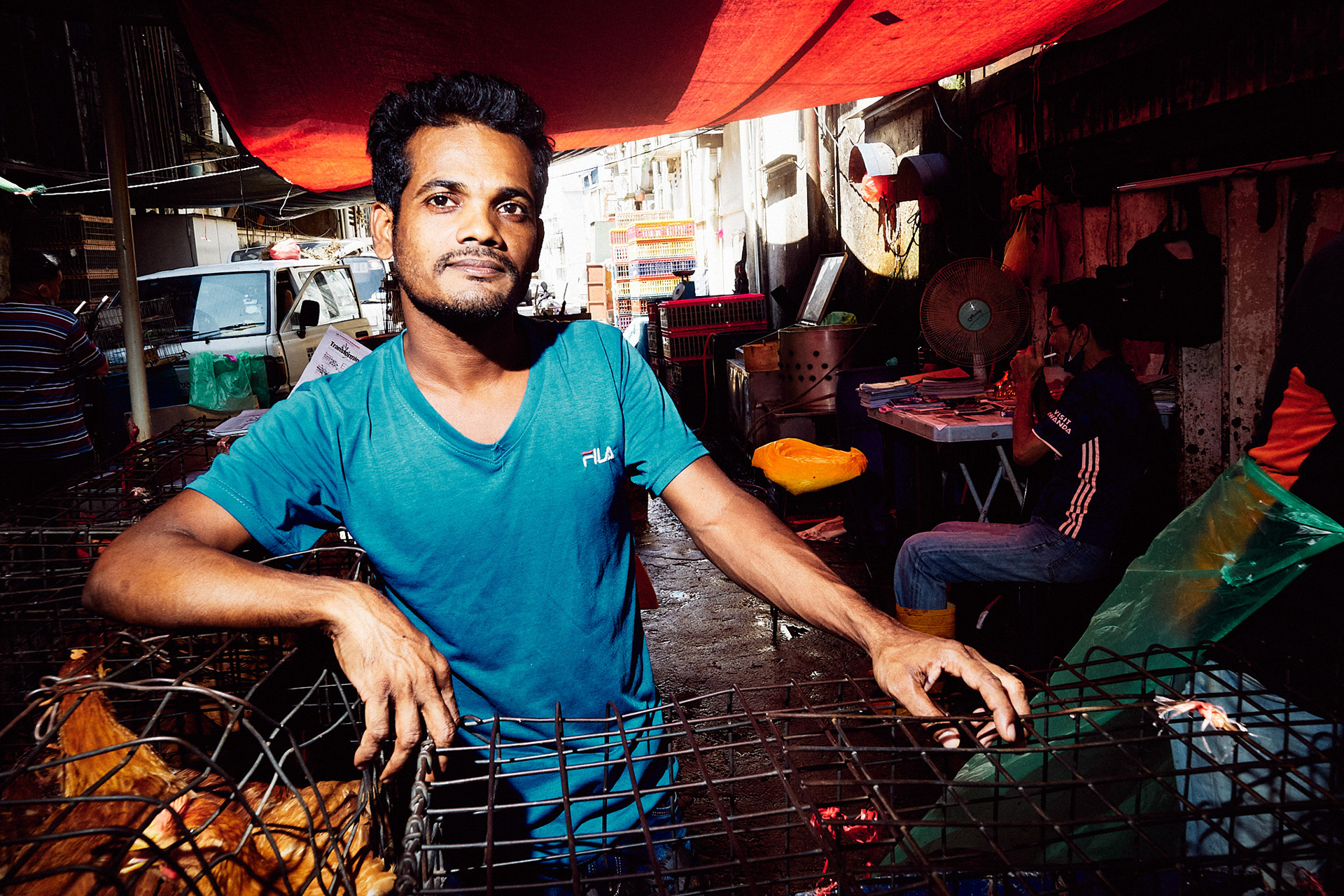
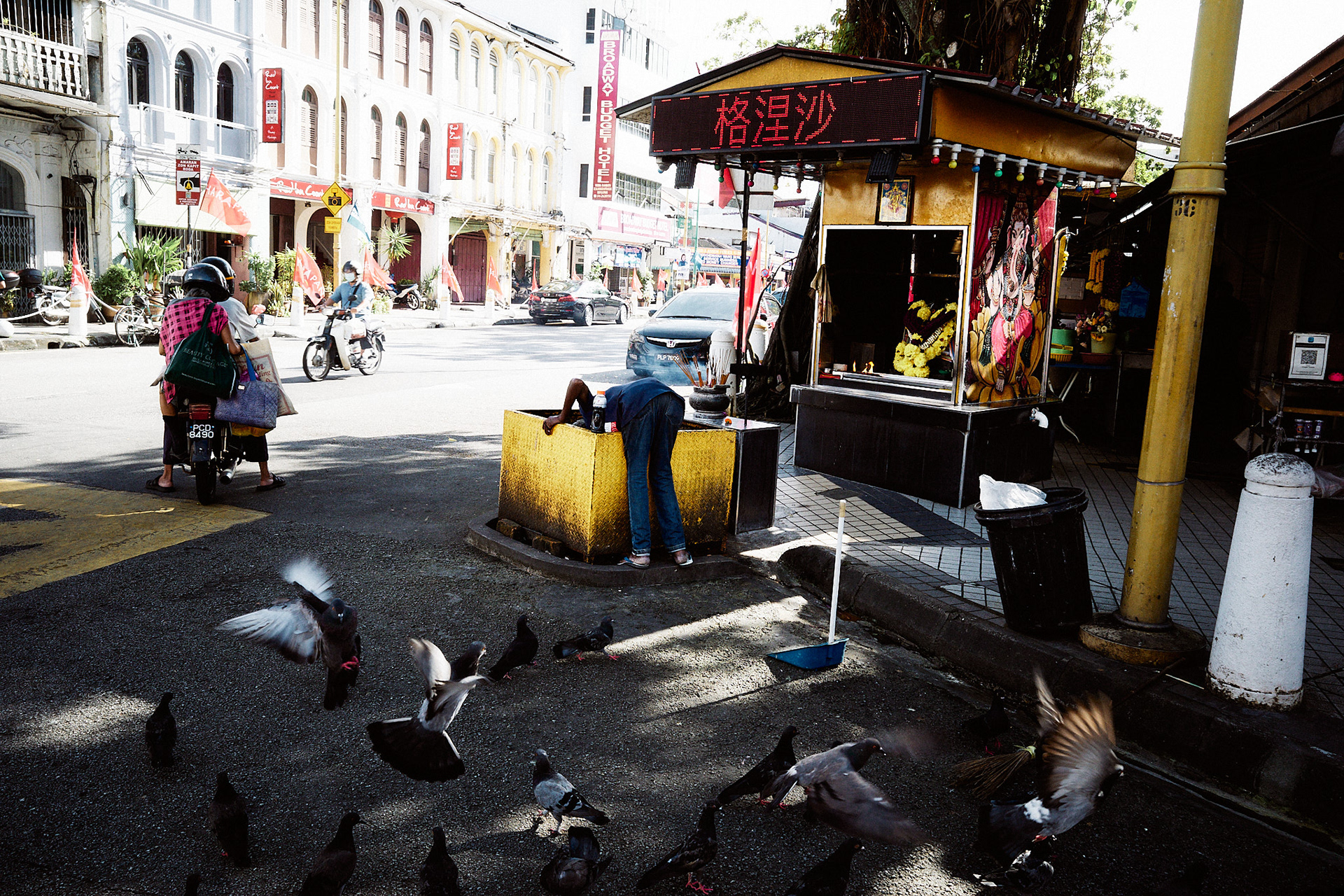
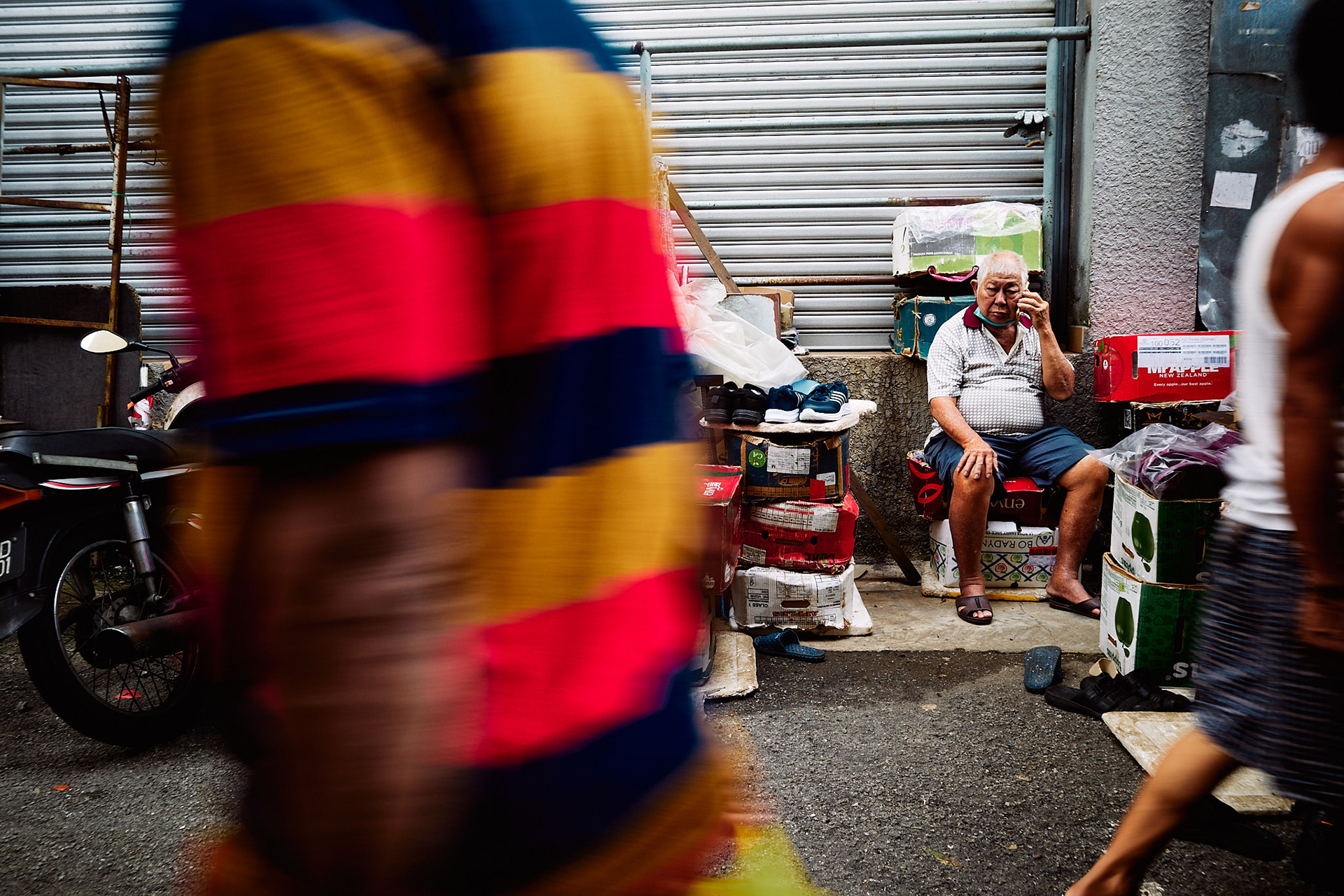
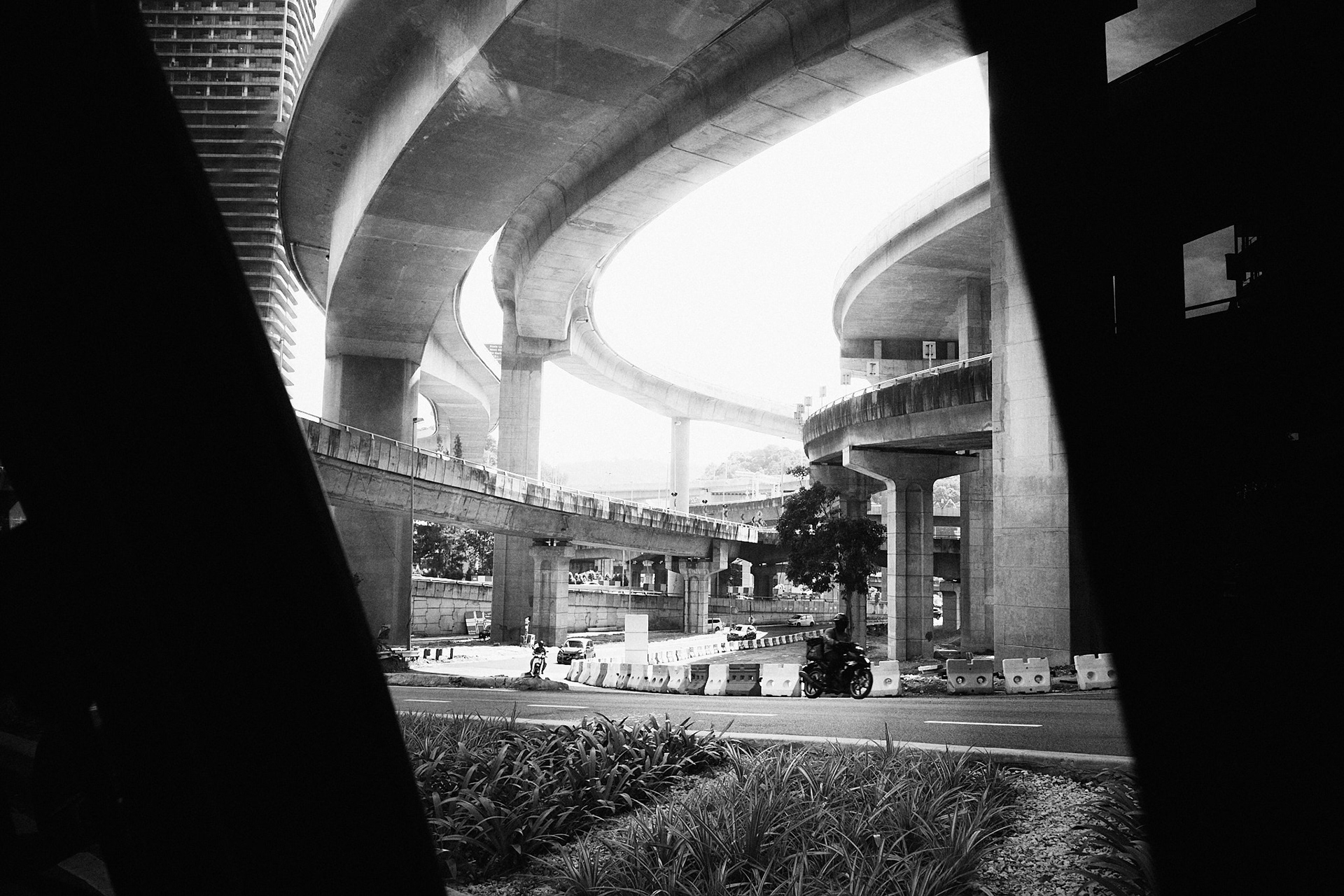
Malaysia
2022
Korea, Japan, Indonesia and Portugal
Early Work